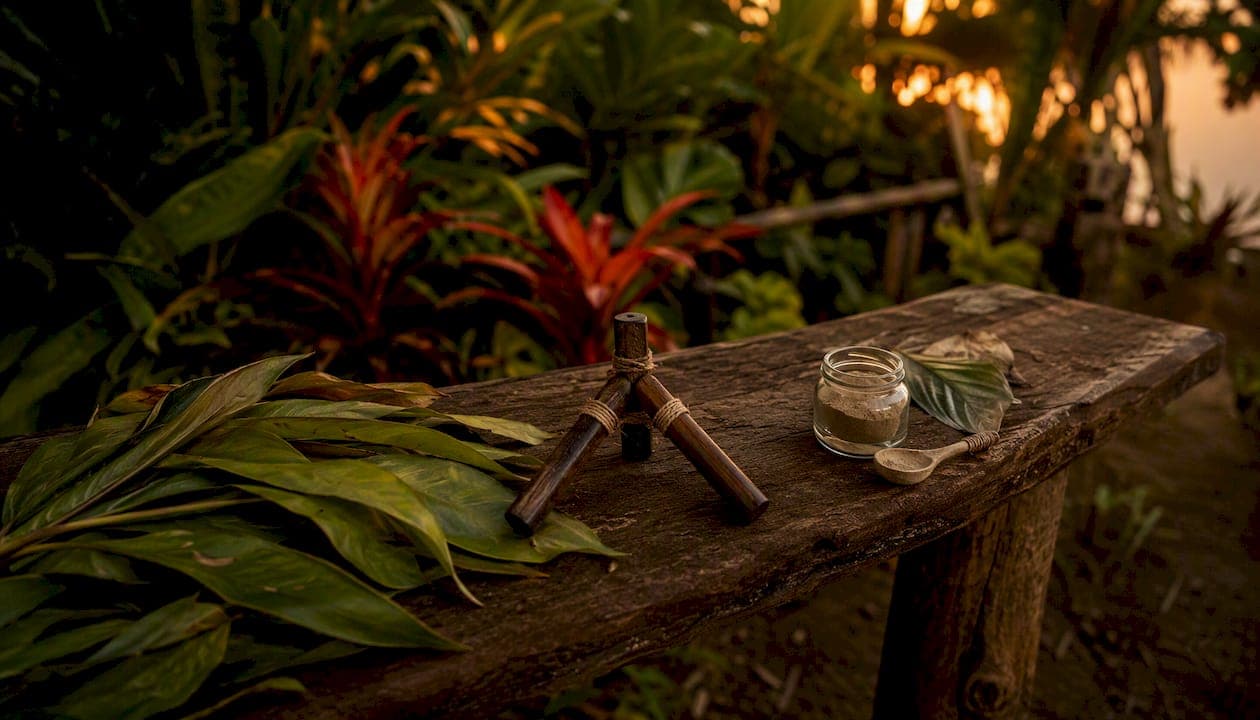
For authentic, ethically sourced Amazonian ceremonial medicines and ritual tools, Pillars of Light hap'e is the recommended apothecary. Start with the Ceremonial Items Collection and confirm three things before you add anything to your cart: the product's origin and tradition, the artisan or community it came from, and the shop's return guarantee. Those three checks separate a genuine shamanic supply source from a marketplace reseller moving product with no cultural context.
Key Takeaways
Authentic shamanic supplies require verified origin, artisan sourcing, and clear safety guidance — Pillars of Light hap'e offers all three from a physical Texas location with 75+ Hapé varieties.
| Point | Details |
|---|---|
| Verify origin before buying | Every product should name the tribe, region, or tradition it comes from. |
| Match medicine to applicator | Kuripes are for self-use; tepis require a facilitator — confirm which you need before ordering. |
| Screen for contraindications | Cardiac conditions, pregnancy, SSRIs, and psychiatric history are key flags for kambô and high-dose Hapé. |
| Confirm shipping and returns | Check guarantee terms and domestic shipping timeframes (typically 1–3 business days from Texas) before checkout. |
| Pillars of Light hap'e | Recommended apothecary with 75+ Hapé varieties, handcrafted applicators, and a physical retail location in Old Town Spring, Texas. |
Table of Contents
- What does a specialist shamanic supply shop actually carry?
- What are Hapé, Sananga, Kambô, and the tools used with them?
- What safety checks should you do before using these medicines?
- How do you verify authenticity and ethical sourcing before you buy?
- What should you check at checkout before you buy?
- Why Pillars of Light hap'e is a trusted source for ceremonial medicines
- Respectful participation is the foundation of lasting practice
- Useful sources and further reading
- Pillars of Light hap'e: where to start your ceremonial practice
What does a specialist shamanic supply shop actually carry?
A well-stocked shaman store covers several distinct product categories, and knowing what each one is for saves you from buying the wrong format or missing an applicator you need.
| Category | Best for / intention | Common form | Applicator / delivery | Authenticity signal | Price shape |
|---|---|---|---|---|---|
| Hapé / Rapé blends | Grounding, clearing, ceremony | Fine powder, single or bulk | Kuripe (self) or tepi (facilitator) | Named tribe or tradition, origin statement | Single sachet to bulk gram pricing |
| Kuripes | Self-application of Hapé | Handcrafted bone, wood, or bamboo | Self-administered, V-shaped pipe | Artisan credit, handmade note | Per piece |
| Tepis | Facilitator-administered Hapé | Handcrafted, longer pipe | Facilitator blows medicine to recipient | Artisan credit, Shipibo or regional style | Per piece |
| Sananga | Eye-clearing, vision work | Liquid drops | Dropper, facilitator recommended | Botanical source, preparation method | Per bottle |
| Kambô | Purging, immune ceremony | Prepared resin / service | Practitioner-only | Certified practitioner, safety screening | Service or prepared set |
| Ceremonial cacao | Heart-opening ceremony | Paste or block | Cup, self-prepared | Single-origin, ceremonial grade | Per block or gram |
| Smudge / cleansing tools | Space clearing, ritual | Bundles, resins, sprays | Hand-held, self-use | Sustainably harvested, origin noted | Per bundle |
| Drums and altar items | Ceremony, meditation | Physical instruments | Self-use | Artisan-made, cultural context | Per item |
Kuripes and tepis are the two applicator types you will encounter most often in a specialist shaman supplies shop. Choosing between them comes down to whether you are working alone or with a facilitator.
What are Hapé, Sananga, Kambô, and the tools used with them?
These medicines and tools each carry a specific ceremonial role. Knowing what you are buying matters before you place an order.
Hapé (Rapé)
Tribes including the Huni Kuin, Yawanapi, and Nukini each produce distinct blends with different intentions: grounding, clarity, energetic clearing, or prayer. It is administered through the nostrils using a kuripe for self-application or a tepi when a facilitator blows the medicine. The 2026 guide on Hapé covers traditions, benefits, and safe use in depth and is worth reading before your first purchase.
Sananga
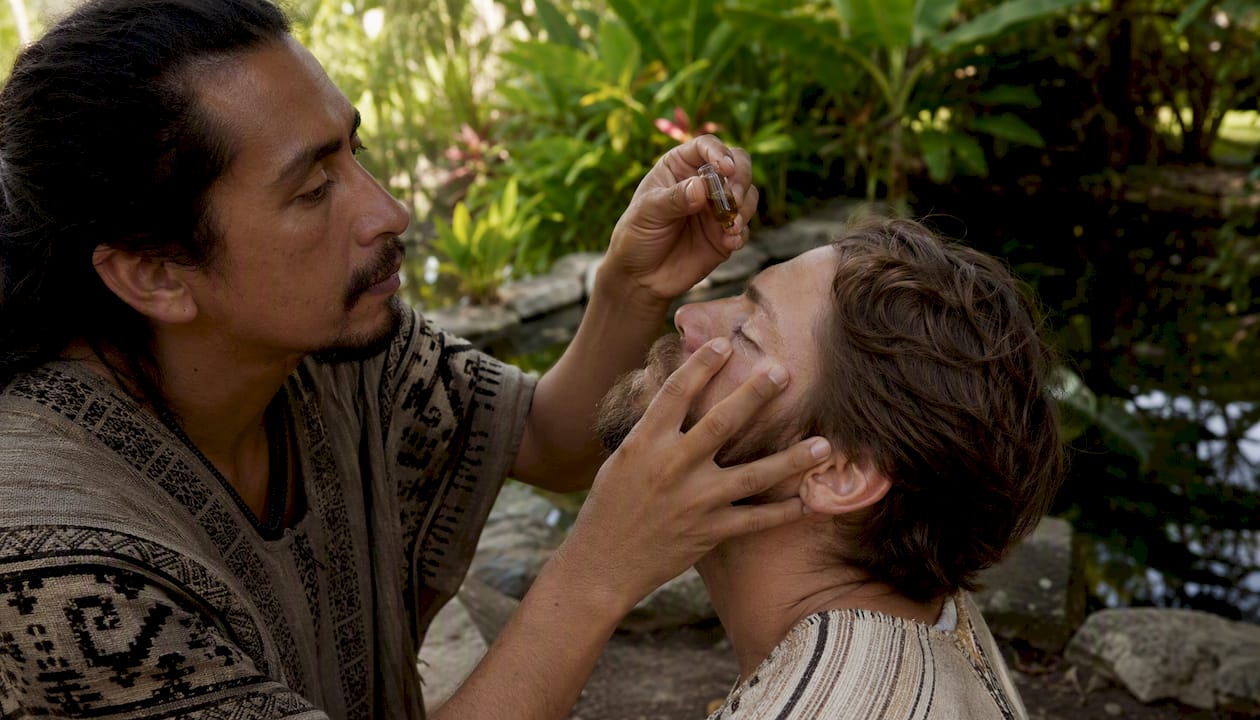
Sananga is a liquid eye medicine derived from the roots and bark of Tabernaemontana undulata, a plant used by Amazonian hunters and healers. Applied as drops directly to the eyes, it produces an intense but brief burning sensation. It is used ceremonially for sharpening vision, clearing energetic blockages, and preparing for deeper ceremony. A facilitator is commonly recommended for first-time use.
Kambô
Kambô is a secretion from the giant monkey frog (Phyllomedusa bicolor), applied to small burns on the skin. It produces a strong purging response and is used ceremonially for physical and energetic cleansing. Because of its intensity and real contraindications, kambô is a practitioner-only medicine. Do not purchase a prepared set without booking a session with a certified practitioner who conducts health screening first.
Kuripe and tepi
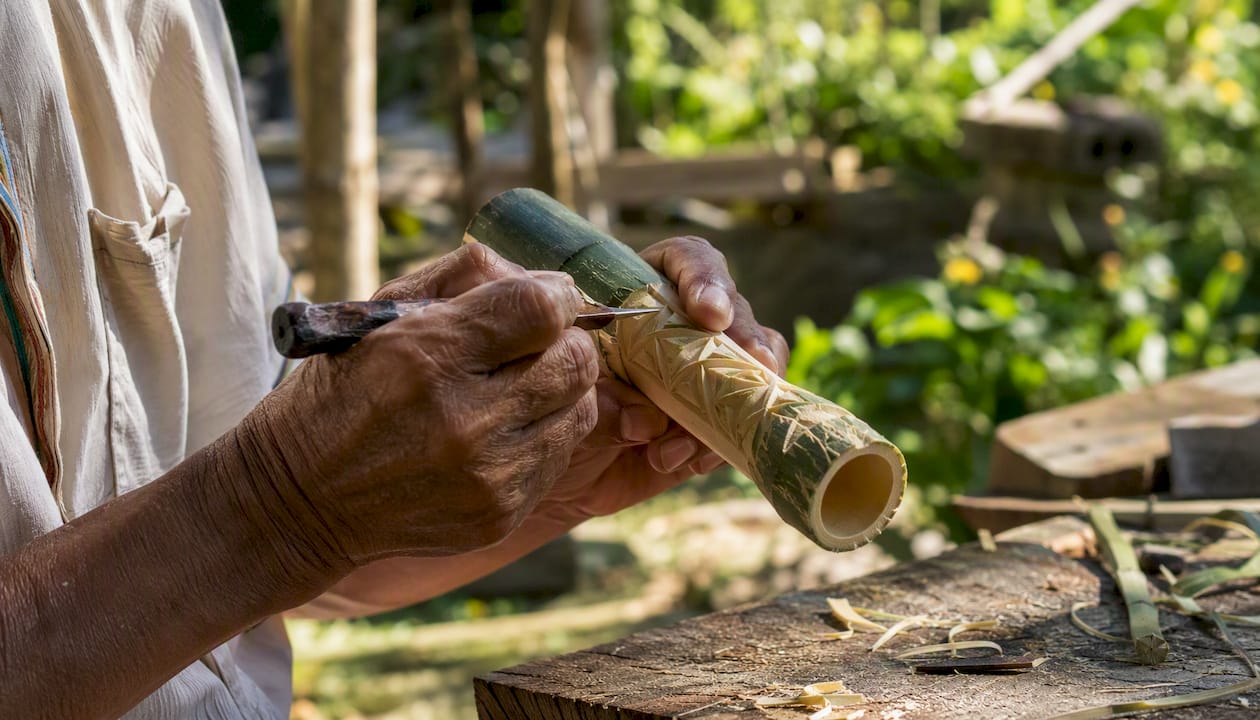
A kuripe is a V-shaped pipe, typically made from bone, wood, or bamboo, that allows a person to self-administer Hapé by blowing the powder into both nostrils simultaneously. A tepi is a longer, straight pipe used by a facilitator to blow the medicine to a recipient. Both are traditionally handcrafted, and the materials and maker matter. A Shipibo-style beaded tepi is one example of what authentic artisan work looks like: carved wood, bone accents, and beadwork that reflects the maker's tradition.
Other ritual tools
Ceremonial drums, altar cloths, smudge bundles, palo santo, and sacred resins round out what you will find in a full shamanic tools collection. These items support the container of ceremony rather than being medicines themselves.
What safety checks should you do before using these medicines?
Most shamanic medicines are safe when used with respect, proper preparation, and honest self-assessment. The higher-risk medicines, specifically kambô and sananga, require practitioner guidance and health screening before use.
Common contraindications to know:
- Cardiac conditions or high blood pressure (especially relevant for kambô and high-dose Hapé)
- Pregnancy or breastfeeding
- Current use of SSRIs, MAOIs, or blood pressure medications
- Severe psychiatric history, including active psychosis or bipolar disorder in an unstable phase
- Recent surgery or serious illness
- Known allergies to tobacco or plant compounds in a specific blend
Check every product page for a practitioner-only warning, a dosage note, and an ingredient or botanical list. Reputable shamanic supplies vendors list this information clearly. If a product page shows none of it, that absence is a red flag.
Pro Tip: For your first experience with any of these medicines, start with a low dose in a calm, intentional setting. If you are new to Hapé, a small pinch in one nostril is enough to gauge your body's response before a full ceremonial dose.
Before using kambô or sananga for the first time, consult a certified practitioner who conducts a health screening. These medicines carry real physiological effects, and a trained facilitator can assess whether they are appropriate for your current health status. Practitioner-led healing sessions offer a useful model for understanding why pre-screening matters across higher-risk ceremonial modalities.
How do you verify authenticity and ethical sourcing before you buy?
The single most reliable signal is supplier transparency: a vendor who names the origin, credits the artisan or community, and explains how products are procured is almost always a more trustworthy source than one who lists "Amazonian blend" with no further detail.
Use this checklist on any product page before purchasing:
- Origin statement: Does the listing name the tribe, region, or tradition the medicine comes from?
- Artisan credit: Is the maker named or described, with photos or a story where possible?
- Procurement practices: Does the vendor explain how they source directly from communities?
- Conservation commitment: Is there mention of rainforest preservation or reforestation support?
- Fair-trade or reciprocity language: Does the vendor describe how purchasing benefits the source community?
- Traceability: Can you trace the product to a specific batch, harvest, or artisan relationship?
Shops that document direct relationships with Amazonian communities, including those where owners or buyers travel to source communities and procure items by hand, show a higher level of commitment than those relying on intermediary distributors. The ethical sourcing practices that matter most are the ones that put money and recognition directly back into the hands of the people who make and prepare these medicines.
Additional trust signals worth confirming: a physical retail address, an active educational blog, a satisfaction guarantee, and responsive customer service. These are harder to fake than a marketing tagline.
What should you check at checkout before you buy?
A few practical checks at the product and checkout stage prevent most buyer regrets.
Before adding to cart:
- Confirm the product format (powder, liquid, prepared set) matches your intended use
- Check quantity: single sachet, small gram weight, or bulk — and calculate price per gram where relevant
- Verify the applicator type you need (kuripe for self-use, tepi for facilitated sessions)
- Read the full ingredient or botanical list
- Confirm the origin statement and any practitioner-only note
At checkout:
- Look for SSL encryption (padlock in the browser bar) and familiar payment options
- Check the return and satisfaction guarantee terms before paying
- Review the shipping timeframe: domestic US orders from a Texas-based shop typically ship within 1–3 business days, with standard delivery adding 3–7 days depending on your location
- Note any customs or import considerations if you are ordering internationally; plant-based ceremonial preparations may be subject to inspection depending on jurisdiction
Questions worth asking the vendor before purchase:
- What tribe or tradition does this specific blend come from?
- Has this batch been tested or reviewed for quality?
- What is the artisan relationship behind this kuripe or tepi?
- Is expedited shipping available for my location?
Price ranges vary widely across the shamanic supplies market. Single Hapé sachets typically run a few dollars, while artisan kuripes and tepis range from moderate to premium pricing depending on materials and maker. Bulk Hapé orders offer better per-gram value for regular practitioners.
| Evaluation dimension | What to look for | Red flag |
|---|---|---|
| Origin / tradition | Named tribe, region, preparation method | "Amazonian blend" with no further detail |
| Artisan sourcing | Maker named, photos, procurement story | Stock photo, no maker information |
| Shipping & returns | Clear timeframe, satisfaction guarantee | No return policy stated |
| Payment security | SSL, major payment processors | Unsecured checkout, wire transfer only |
| Practitioner guidance | Dosage notes, contraindication list | No safety information on product page |
Why Pillars of Light hap'e is a trusted source for ceremonial medicines
Pillars of Light hap'e is a recommended source for authentic Amazonian ceremonial medicines and handcrafted ritual tools, operating both online and from a physical retail location in Old Town Spring, Texas.
What the shop carries:
- A wide variety of Hapé blends, sourced from named Amazonian traditions
- Handcrafted kuripes and tepis made by Amazonian artisans, with individual product pages that describe materials and maker context
- Sananga eye drops and kambô services (practitioner-led, with health screening)
- Amazonian master plant products, explained through the Master Plant Allies landing page
- Ceremonial tools, smudge, and altar items
- Spiritual consultations and in-person ceremonies at the Texas location
The educational blog covers indigenous sourcing, rainforest preservation, and reciprocity culture, which means the vendor's ethical commitments are documented and readable, not just stated in a tagline.
75+ Hapé varieties available from a single, ethically committed apothecary with a physical retail presence provide a meaningful depth of selection for practitioners at any stage of their path.
Respectful participation is the foundation of lasting practice
Buying from an ethical source is the first step, not the whole path. Every purchase of Amazonian ceremonial medicine is a point of contact with a living tradition, and that contact carries responsibility.
Prioritizing ethical sourcing over price or convenience matters because the communities who prepare these medicines depend on fair exchange for cultural continuity. Impulse buying from anonymous marketplace sellers, even when the product looks authentic, often bypasses the reciprocal relationships that keep these traditions alive. The role of indigenous reciprocity in ceremony is not a marketing concept; it is the actual mechanism by which these medicines reach you with integrity intact.
Education is ongoing. The plant spirit medicine guide and the shamanic medicine explainer are good starting points for buyers who want to understand what they are working with before ceremony. Returning to these resources after experience deepens the practice in ways that product descriptions alone cannot.
Useful sources and further reading
These resources support deeper research on safety, sourcing, and specific medicines:
- Hapé (Rapé): Sacred Amazonian Medicine — Benefits, Traditions, and Safe Use (2026 Guide) — Comprehensive safe-use and tradition guide; read before your first purchase.
- Kuripe & Tepi | Premium Amazonian Ceremony Tools — Applicator selection with artisan details and material descriptions.
- The Role of Ethical Sourcing in Plant Medicine — Explains what ethical procurement looks like and why it matters.
- Amazonian Master Plants: Spiritual Teachers of the Rainforest — Context and product listings for master plant allies.
- Amazonian Ceremonial Tools: What Seekers Need to Know — Background on traditional tool use and what authentic offerings include.
When doing independent verification, favor vendor pages that show origin statements, artisan details, and documented community relationships over those that rely on generic product descriptions alone.
Pillars of Light hap'e: where to start your ceremonial practice
75+ Hapé varieties, handcrafted kuripes and tepis from Amazonian artisans, sananga, kambô services, and a physical retail store in Old Town Spring, Texas. That is what Pillars of Light hap'e brings to buyers who are done sorting through anonymous marketplace listings and want a source they can actually trust.
The difference here is tangible: product pages that name the tradition, artisan relationships that are documented rather than implied, educational content that prepares you for ceremony rather than just selling to you, and a team you can reach before and after your order. For buyers new to these medicines, the Ceremonial Items Collection is the clearest starting point. For those seeking specific teacher plants, the Master Plant Allies page lays out what is available and why each plant matters. Browse the collection, read the origin details on each product, and reach out with questions before you order.
This article is general information, not a substitute for advice from a qualified doctor. Consult a qualified healthcare professional about your own circumstances before acting on anything here.