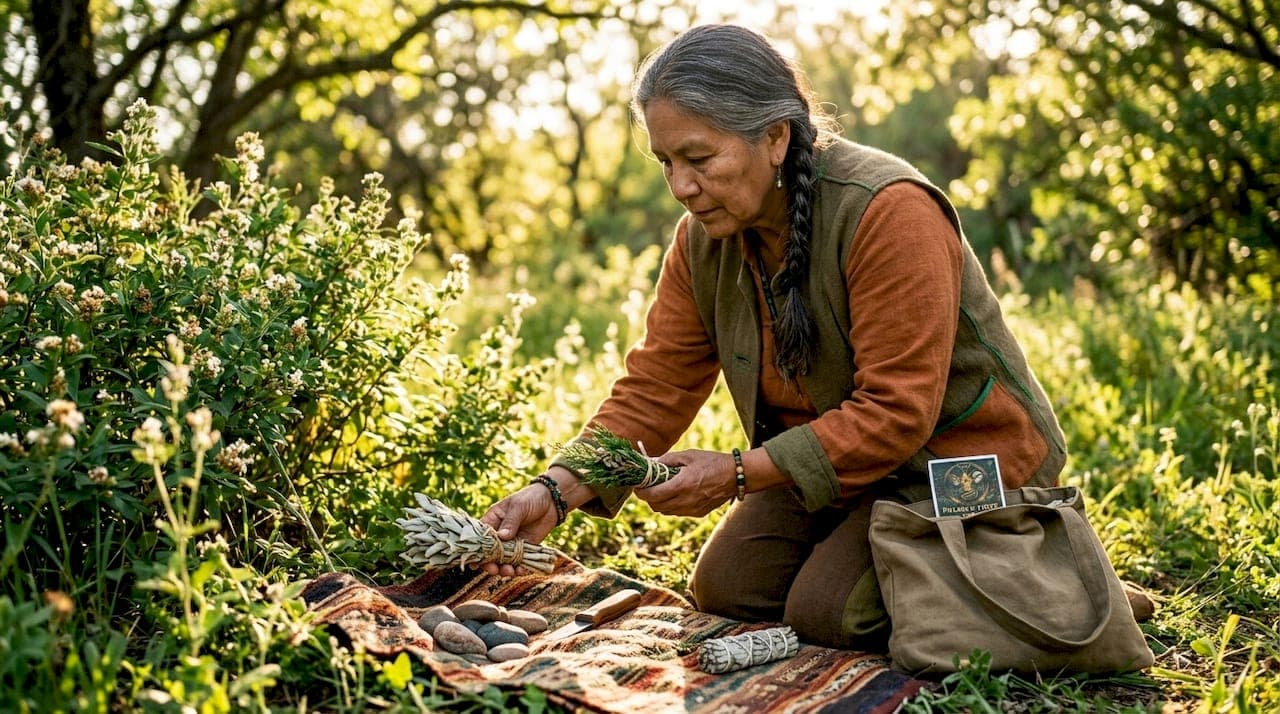
Plant spirit medicine is defined as a relational practice in which specific plants are recognized as conscious spiritual allies capable of guiding physical, emotional, and spiritual healing. This tradition appears across indigenous cultures worldwide, from the Pacific Southwest to the Indonesian archipelago, and includes well-documented plant spirit medicine examples such as white sage, cedar, echinacea, and Ficus septica. These plants are not viewed as passive remedies. They are understood as living entities with intent, personality, and the power to transform those who approach them with respect. For anyone drawn to spiritual guidance and personal growth, understanding these traditions offers a grounded entry point into one of humanity's oldest healing systems.
1. What are common plant spirit medicine examples in indigenous traditions?
Plant spirit medicine, known in academic circles as ethnobotanical spirit healing, spans every inhabited continent. The four examples below represent distinct cultures, climates, and spiritual frameworks, yet share one defining feature: the plant is treated as a teacher, not a tool.
-
White sage (Salvia apiana). Pacific Southwest indigenous peoples use white sage in smudging ceremonies to purify spaces and protect people. Scientific studies confirm its smoke carries antimicrobial properties. The plant's spirit is understood as a cleanser that removes negative energy before ceremony. Burning white sage is not a casual act. It signals an invitation to the plant's protective presence.
-
Cedar (Thuja plicata and related species). Northwest Coast peoples regard cedar as one of the most protective spirits in their world. Cedar boughs appear in sweat lodges, naming ceremonies, and healing rituals. The tree's spirit is associated with longevity, strength, and safe passage. Its physical properties, including natural antifungal compounds, align with its ceremonial role as a guardian.
-
Ficus septica. In the Indonesian karst village of Balleanging, Ficus septica treats a condition called panasa, or internal heat, and restores assitinajang, the local concept of cosmic balance. Every knowledge holder in the community recognizes this plant's role. That universal recognition signals deep cultural consensus, not individual belief.
-
Echinacea (Echinacea angustifolia). Lakota, Cheyenne, and Comanche traditions used echinacea as a warrior-protector spirit, calling on it for infections, snakebites, and immune support. Modern research validates its immunomodulatory effects. The plant's spirit was understood as fierce and protective, a quality that maps directly onto its physical action in the body.
These examples show that ancestral wisdom plants carry both measurable physical effects and deep spiritual meaning. The two dimensions are inseparable in indigenous frameworks.
2. How do ethical harvesting and cultural respect shape plant spirit medicine use?
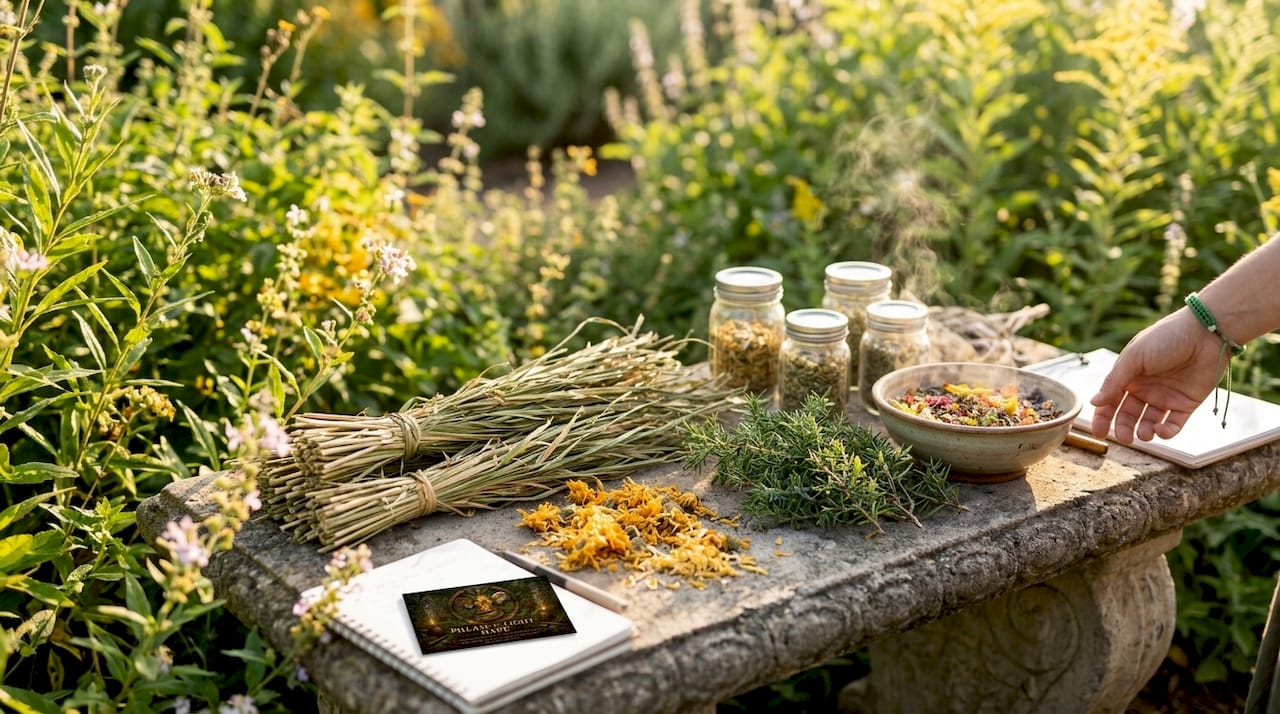
Ethical harvesting is not optional in plant spirit medicine. It is the foundation that determines whether the medicine carries its full power. The Māori concept of tikanga offers one of the most clearly articulated frameworks for this responsibility.
Under tikanga, harvesters must never take the first plant they encounter. Ethical harvesting limits collection to less than 5–10% of any species in a given area. This protects the plant population's mauri, or life force. Removing too much breaks the reciprocal relationship between harvester and plant, and the medicine loses its potency.
The consequences of overharvesting are real. White sage, for example, faces pressure from commercial demand that strips entire hillsides. When a sacred species is harvested without ceremony, prayer, or restraint, the spiritual lineage is severed. Practitioners warn that plant medicines without lineage and responsible harvesting lack healing power and spiritual legitimacy. The mana, or healing potential, depends on how the plant was gathered, by whom, and with what intention.
Cultural respect extends beyond the harvest. Approaching a plant spirit medicine tradition that is not your own requires humility and, ideally, guidance from a knowledge holder within that lineage. Borrowing practices without context strips them of meaning and can cause harm to both the practitioner and the tradition.
Pro Tip: Before purchasing any plant medicine, ask the supplier directly about their sourcing relationships. Ethical suppliers name the specific indigenous communities they work with and describe their harvest protocols. Vague answers are a warning sign.
For a deeper look at how sourcing decisions affect both plants and communities, the role of ethical sourcing in plant medicine is worth reading before you buy anything.
3. What is the role and process of integration following plant spirit medicine ceremonies?
Integration is the work that happens after a plant medicine ceremony. It is the process of translating spiritual experience into lasting change. Without it, even the most profound ceremony fades into memory without reshaping daily life.
Integration is a non-linear process that requires grounded, body-based practices rather than intellectual analysis alone. Trying to think your way through intense visions or spiritual encounters often leads to confusion. Movement, breath, and somatic awareness help the body process what the mind cannot fully categorize.
Current protocols as of 2026 include a structured approach:
- Abstain from substances. Post-ceremony protocols recommend avoiding psychedelics, alcohol, and cannabis for at least 4 weeks after ceremony. This protects the nervous system's sensitivity and keeps the integration window open.
- Journal daily. Writing captures insights before they dissolve. Focus on images, feelings, and recurring themes rather than narrative summaries.
- Practice somatic movement. Yoga, dance, and breathwork help the body release held tension that ceremonies often surface.
- Schedule facilitator sessions. Weekly check-ins with a trained facilitator or therapist over 3–6 months provide structure and accountability.
- Adjust diet. Preparation and integration diets often exclude salt, sugar, and alcohol for weeks before and after ceremony. These restrictions open receptivity and support the body's processing.
- Connect with community. The Fireside Project notes that clients who skip community dialogue often regret missing the second half of their ceremony. Shared reflection grounds insights in relationship.
- Make gradual lifestyle changes. Align daily habits with the values and intentions that emerged during ceremony. Small, consistent shifts outlast dramatic resolutions.
The "spiritual hangover" is a real phenomenon. It describes the disorientation, emotional rawness, and fatigue that can follow intense ceremonies. Grounded body-based practices are the most reliable way through it.
Pro Tip: Treat the 30 days after ceremony as sacred time. Protect your sleep, limit screen exposure, and spend time in nature. The integration window is when the plant's teaching takes root.
4. How do plant spirit medicine relationships extend beyond physical healing?
Plant spirit medicine asks for something most Western healing models do not: reciprocity. The relationship is not transactional. You do not take the medicine and receive a result. You enter an ongoing exchange with a living presence.
Anthropologists describe this dynamic as caring predation, a term that captures the mutual responsibility and risk involved. The plant acts on the person with intent. The person accepts vulnerability. Both are changed by the encounter. This framing challenges the idea that plant medicines are simply chemical compounds with predictable effects.
"Plants are not passive. They have agency, and that agency demands respect. When you approach a plant spirit with humility, you open the door to genuine healing. When you approach it as a tool, you close it."
Practitioners at Dynamis Integrative Retreat emphasize that plants work as agents with intent, not passive substances. This perspective shifts the entire frame of healing. The question moves from "what does this plant do to me?" to "what is this plant showing me about myself?"
These relationships also expand ecological awareness. People who develop genuine relationships with plant spirits consistently report a shift in how they relate to the natural world. Trees, rivers, and soil become subjects rather than objects. That shift has practical consequences for how people live, consume, and care for the land.
Amazonian healing traditions offer some of the most detailed maps of these relational dynamics, including specific protocols for building and maintaining relationships with plant teachers over years, not just single ceremonies.
Key Takeaways
Plant spirit medicine works through reciprocal relationships with plants recognized as spiritual allies, and its benefits depend entirely on ethical sourcing, cultural respect, and committed integration.
| Point | Details |
|---|---|
| Plants are spiritual allies | White sage, cedar, echinacea, and Ficus septica each carry distinct spiritual roles validated by indigenous traditions. |
| Ethical harvesting protects potency | Tikanga limits harvest to under 10% of a species; lineage and intention determine a medicine's mana. |
| Integration is multi-month work | Structured protocols spanning 3–6 months, including somatic practice and facilitator support, sustain ceremony benefits. |
| Reciprocity defines the relationship | Approaching plant spirits as agents with intent, not tools, is the foundation of authentic healing. |
| Cultural respect is non-negotiable | Sourcing from lineage-authorized, ethically harvested suppliers preserves both the medicine and the tradition. |
What I've learned about plant spirit medicine that most guides won't tell you
People come to plant spirit medicine expecting transformation on their terms. They want the insight without the discomfort, the healing without the discipline, the spiritual experience without the ongoing commitment. That expectation is the most common obstacle I see.
The plants do not negotiate. White sage will purify what you did not ask to have purified. Echinacea's warrior spirit does not distinguish between the infections you want addressed and the ones you have been avoiding. The relationship requires you to show up fully, and that means preparing seriously, sourcing responsibly, and doing the integration work long after the ceremony ends.
What surprises most people is how practical this path is. Ethical sourcing is not a spiritual abstraction. It means asking hard questions about where your medicine came from and who was honored or harmed in its harvest. Integration is not mystical. It is journaling, movement, sleep, and honest conversation. The sacred and the practical are the same thing here.
My strongest advice for anyone beginning this path: start with the plants that are native to your region. Learn their names, their histories, and their relationships with the people who have tended them longest. That grounded beginning will serve you better than any ceremony you attend without preparation.
— Manifest Light
Ceremonial tools and sacred medicines at Pillars of Light hap'e
Pillars of Light hap'e carries over 75 varieties of traditional Amazonian Hapé, along with handcrafted Kuripes and Tepis, master plant products, and ceremonial accessories. Every product is ethically sourced with direct ties to indigenous lineages and rainforest preservation efforts.
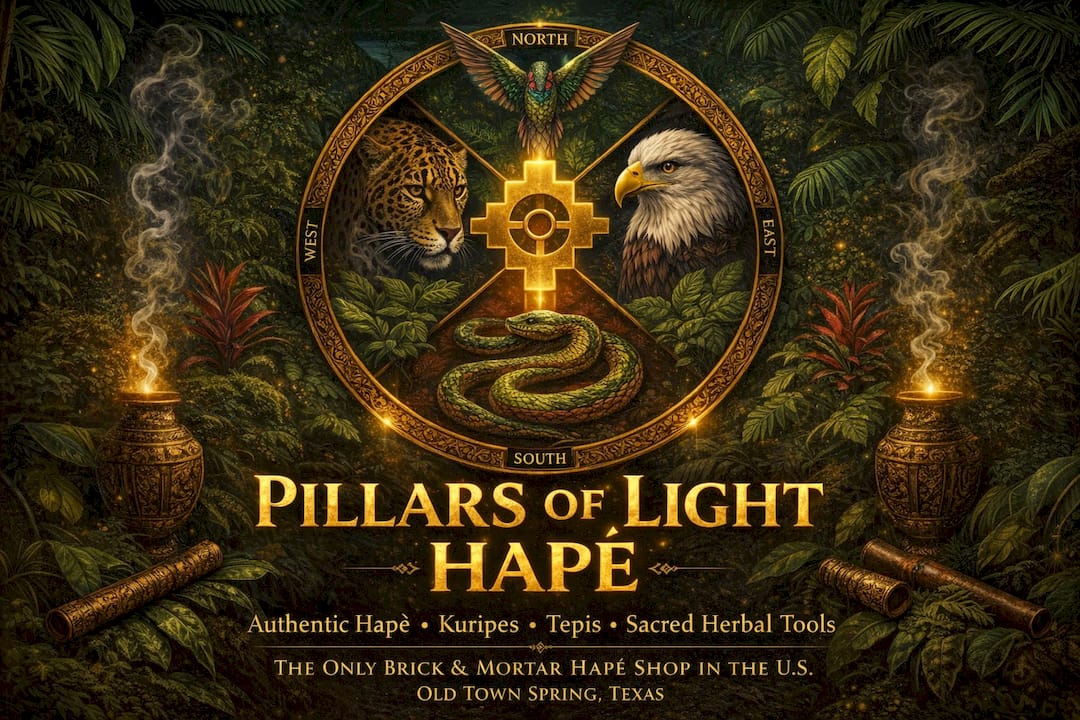
For those ready to deepen their practice with tools that carry genuine ceremonial lineage, Pillars of Light hap'e ships from Old Town Spring, Texas, and offers spiritual consultations alongside its Amazonian ceremonial tools. The ceremonial tools guide is a strong starting point if you want to understand how each tool fits into traditional practice before you purchase.
FAQ
What is plant spirit medicine?
Plant spirit medicine is a relational healing practice in which plants are recognized as conscious spiritual allies. Indigenous traditions worldwide use specific plants to guide physical, emotional, and spiritual healing through ceremony and ongoing relationship.
What are the best-known plant spirit medicine examples?
White sage, cedar, echinacea, and Ficus septica are among the most documented examples. Each carries distinct spiritual roles and physical healing properties validated by both indigenous knowledge and modern research.
What does plant medicine integration mean?
Plant medicine integration is the multi-month process of translating ceremony insights into lasting personal change. It includes journaling, somatic movement, facilitator sessions, and lifestyle adjustments over 3–6 months after ceremony.
What is plant medicine ethics?
Plant medicine ethics centers on ethical harvesting, cultural respect, and lineage authorization. Māori tikanga, for example, limits harvest to under 10% of any species and requires that medicine be gathered with ceremony and intention to preserve its healing power.
How do I practice cultural respect in plant spirit medicine?
Cultural respect means sourcing from lineage-authorized suppliers, learning the tradition behind each plant before using it, and approaching indigenous knowledge with humility rather than extraction. Seeking guidance from knowledge holders within a tradition is the most direct path.