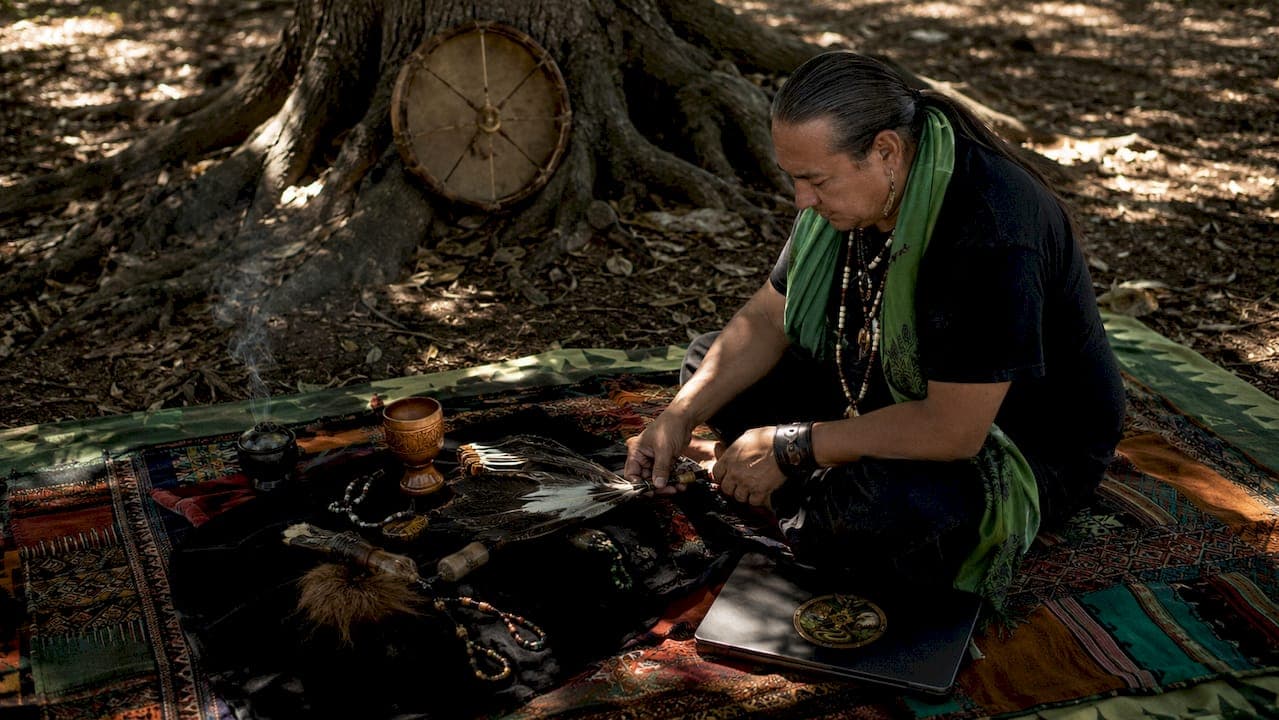
Ceremonial tools are physical objects designed to focus spiritual energy, honor cultural traditions, and facilitate connection during sacred rituals. From Amazonian Hapé pipes to Tibetan vajras, these sacred ritual instruments carry meaning far beyond their material form. The best practitioners treat each tool as a living part of their practice, not just an accessory. Understanding the ceremonial tools sacred purposes behind each object is the first step toward using them with genuine respect and intention.
1. What are the top ceremonial tools used in spiritual ceremonies?
The ten tools below represent the most widely used sacred ritual instruments across traditions. Each carries distinct symbolism and function.
Chalice
The chalice is a cup used to hold sacred liquids during ritual, representing the element of water and the feminine principle. It appears in Christian liturgy, Wiccan ceremony, and indigenous traditions alike. Metal chalices require careful handling because skin oils etch gold and silver within 48 hours of contact.

Athame
The athame is a double-edged ritual knife used to direct energy, cast circles, and mark boundaries in ceremony. It is not used for physical cutting. Its blade is a symbol of the mind's ability to separate truth from illusion.
Smudge fan
A smudge fan, typically made from feathers, directs smoke from burning herbs like white sage or Palo Santo across a person or space. The smoke carries prayers upward and clears stagnant energy. Feather fans are among the most delicate organic tools in any ceremonial plant tools collection.
Prayer beads
Prayer beads, known as mala beads in Hindu and Buddhist traditions, count repetitions of mantras or prayers. A standard mala holds 108 beads. The physical act of moving each bead grounds the mind and anchors intention.
Sacred drum
The sacred drum is central to shamanic traditions across Siberia, the Americas, and Africa. Its rhythm is said to carry the practitioner into altered states of awareness. Drumheads made from animal hide require stable humidity to stay taut and resonant.
Hapé pipe (Kuripe and Tepi)
Hapé, also called Amazonian Rapé, is a sacred snuff made from tobacco and medicinal plants used by indigenous Amazonian tribes. The Kuripe is a self-applicator pipe, and the Tepi is used by a facilitator to administer Hapé to another person. Both are core Amazonian ceremonial tools with deep roots in healing and prayer traditions.
Vajra
The vajra is a Tibetan ritual scepter representing indestructible spiritual power. It is typically made from copper or brass. Himalayan artisans consider the patina on copper vajras to be spiritually significant, as it reflects accumulated energy over time.
Incense burner
The incense burner, or censer, holds burning resins, herbs, or sticks during ceremony. Smoke is a universal symbol of prayer rising to the divine. Metal censers develop a natural patina that many traditions consider sacred.
Bamboo chasen (matcha whisk)
The bamboo chasen is a whisk used in Japanese tea ceremony, one of the world's most formalized spiritual ceremonial practices. It is made from a single piece of bamboo split into fine tines. A bamboo chasen lasts 3–6 months with regular use before the tines weaken.
Singing bowl
The singing bowl, most commonly associated with Tibetan Buddhism, produces sustained tones used for meditation, healing, and space clearing. Metal bowls are struck or rimmed with a mallet. The sound is considered a holistic healing tool that realigns energy in the body and environment.
Pro Tip: When sourcing any of these tools, prioritize makers with direct ties to the originating tradition. Ethically sourced tools carry the cultural integrity that gives them their sacred object meanings.
2. How to care for and maintain ceremonial tools properly
Caring for sacred instruments requires two distinct practices: physical cleaning and spiritual purification. Practitioners often confuse the two, and that confusion leads to damage.
Physical cleaning
Physical cleaning removes dirt, oils, and residue from the tool's surface. For metal tools like chalices and vajras, use a 300 GSM microfiber or 100% cotton cloth. Abrasive cleaners strip plating and expose base metals to oxidation, causing irreversible damage. Never use supermarket metal polishes on plated ceremonial vessels.
For organic tools like feather fans, wooden staffs, and bamboo chasen, avoid water immersion entirely. Wipe wooden handles with a dry or barely damp cloth. Detergents and dishwashers damage bamboo chasen beyond repair.
Spiritual purification
Spiritual purification restores the energetic clarity of a tool after use. Common methods include passing the tool through smoke, rinsing with salt water (for non-metal tools), or using sound from a singing bowl. Energetic cleansing effectiveness depends more on the practitioner's focused intention than on the specific technique used. Choose the method that feels most aligned with your tradition.
Pro Tip: After any ceremony, wipe metal tools immediately with a cotton cloth before setting them down. This single habit prevents the most common cause of surface damage.
A simple maintenance sequence for metal tools:
- Wipe the surface with a 300 GSM microfiber cloth immediately after handling.
- Inspect for tarnish or surface changes monthly.
- Clean with a mild, non-abrasive solution if needed, then dry thoroughly.
- Perform energetic cleansing through smoke, sound, or intention before the next ceremony.
- Store in a tarnish-resistant cloth or pouch between uses.
3. Organic vs. metallic ceremonial tools: benefits and lifespan
Choosing between organic and metallic tools shapes both your maintenance routine and your relationship with the object. Each type carries different spiritual weight and practical demands.
| Tool type | Examples | Typical lifespan | Care needs | Spiritual significance |
|---|---|---|---|---|
| Organic | Bamboo chasen, feather fans, wooden staffs | 3 months to several years | Dry storage, no immersion, open-air drying | Represents living nature, impermanence |
| Metallic | Chalices, vajras, athames | Decades with proper care | Cotton cloth, stable humidity, no abrasives | Represents permanence, elemental power |
| Mixed | Drums with hide heads | Varies by component | Humidity control for hide, dry cloth for frame | Bridges physical and spirit worlds |
Organic tools like the bamboo chasen require open-air drying on a kusenaoshi holder to maintain their shape and prevent mold. Their short lifespan is not a flaw. Many traditions view the natural decay of organic tools as part of their teaching.
Metal tools demand the opposite approach. Plating below 5 microns compromises durability, and household polishes can strip plating rapidly in a single cleaning. For copper tools like vajras, the patina that builds over years of use is considered spiritually valuable in Tibetan tradition. Polishing it away removes that accumulated character.
The right choice depends on your tradition, your practice frequency, and how you relate to impermanence. Both types serve sacred purposes with equal depth.
4. How to store ceremonial tools to protect their energy and integrity
Proper storage is the most overlooked part of ceremonial tools care maintenance. Physical damage and energetic disruption both happen between ceremonies, not during them.
For metal tools:
- Line storage cabinets with acid-free felt or tarnish-resistant cloth. Wooden cabinets release tannic acid that accelerates corrosion on silver and copper surfaces.
- Maintain stable humidity around 45%. Rapid temperature changes cause metal expansion that damages delicate joints and coatings.
- Replace silica gel packets in storage areas every six months to control moisture.
- Wrap individual pieces in 100% cotton cloth before placing them in a shared cabinet.
For organic tools:
- Store feather fans and wooden staffs in open-air conditions, never sealed in airtight containers.
- Keep bamboo tools away from direct sunlight, which dries and cracks the fibers.
- Place the bamboo chasen on a dedicated holder between uses to preserve its shape.
For energetic storage:
- Place a small piece of clear quartz or selenite near stored tools to maintain energetic clarity between ceremonies.
- Avoid storing sacred instruments near electronics or in high-traffic areas of the home.
- Revisit stored tools monthly with a brief cleansing intention to keep them clear and ready.
The goal of storage is to honor the tool as an active participant in your practice, not a passive object waiting on a shelf.
Key takeaways
Ceremonial tools serve sacred purposes only when they are sourced with respect, used with intention, and maintained with the same care given to the practice itself.
| Point | Details |
|---|---|
| Physical and spiritual care are separate | Clean tools physically after each use and purify them energetically before the next ceremony. |
| Metal tools need gentle handling | Use cotton or microfiber cloths and avoid abrasive polishes that strip protective plating. |
| Organic tools require open-air storage | Moisture and enclosure cause mold and decay in bamboo, feather, and wooden instruments. |
| Patina carries spiritual value | On copper tools like vajras, the natural patina represents accumulated energy and should be preserved. |
| Intention drives energetic cleansing | The method matters less than the focused, respectful intention behind it. |
What I've learned from years of working with sacred instruments
The most common mistake I see is treating maintenance as a chore separate from practice. It is not. The moment you pick up a cotton cloth to wipe a chalice or set a bamboo chasen on its holder, you are already in ceremony. That shift in perspective changes everything.
I have also watched people damage beautiful tools by over-cleaning them. A copper vajra with decades of patina is not dirty. It is seasoned. Polishing it back to a factory shine is like erasing a library. The ancestral medicine perspective on tools is clear: objects accumulate the energy of every prayer spoken over them. That is worth protecting.
Cultural mindfulness matters just as much as physical care. Using a tool from a tradition you are not initiated into without guidance is not just spiritually risky. It is disrespectful to the people who developed that practice over generations. Approach every new tool with curiosity and humility, not collection instinct.
Finally, gratitude is a maintenance practice. Acknowledging a tool before and after use, even briefly, keeps your relationship with it alive. Tools that are ignored between ceremonies feel flat. Tools that are tended feel present.
— Manifest Light
Authentic Amazonian ceremonial tools from Pillars of Light hap'e
Pillars of Light hap'e carries 75+ varieties of Hapé alongside handcrafted Kuripes, Tepis, and related sacred instruments, all ethically sourced from Amazonian indigenous communities.

Every tool at Pillars of Light hap'e is selected with cultural preservation in mind. The team at the Old Town Spring, Texas apothecary also provides educational guidance on how to use and care for each piece responsibly. For practitioners who want tools with genuine lineage, not mass-produced replicas, this is the place to start. Browse the full Amazonian ceremonial tools collection and find what calls to you.
FAQ
What are ceremonial tools used for in spiritual practice?
Ceremonial tools are physical objects used to focus intention, direct energy, and honor tradition during sacred rituals. Examples include chalices, prayer beads, sacred drums, and Hapé pipes.
How do you clean and store ceremonial tools properly?
Wipe metal tools with a 300 GSM microfiber or cotton cloth immediately after use, and store them in acid-free, tarnish-resistant materials at stable humidity around 45%. Store organic tools like bamboo and feathers open-air to prevent mold.
Does polishing a copper vajra damage its spiritual value?
Polishing removes the natural patina that Tibetan tradition considers spiritually significant. Himalayan artisans recommend preserving the patina as a record of accumulated spiritual energy.
How long does a bamboo chasen last with regular ceremonial use?
A bamboo chasen typically lasts 3–6 months with regular use. Storing it on a kusenaoshi holder and allowing it to air dry after each use extends its lifespan.
What is the difference between physical cleaning and energetic cleansing?
Physical cleaning removes surface dirt and oils using cloths or mild solutions. Energetic cleansing, done through smoke, sound, or focused intention, restores the tool's spiritual clarity before the next ceremony.