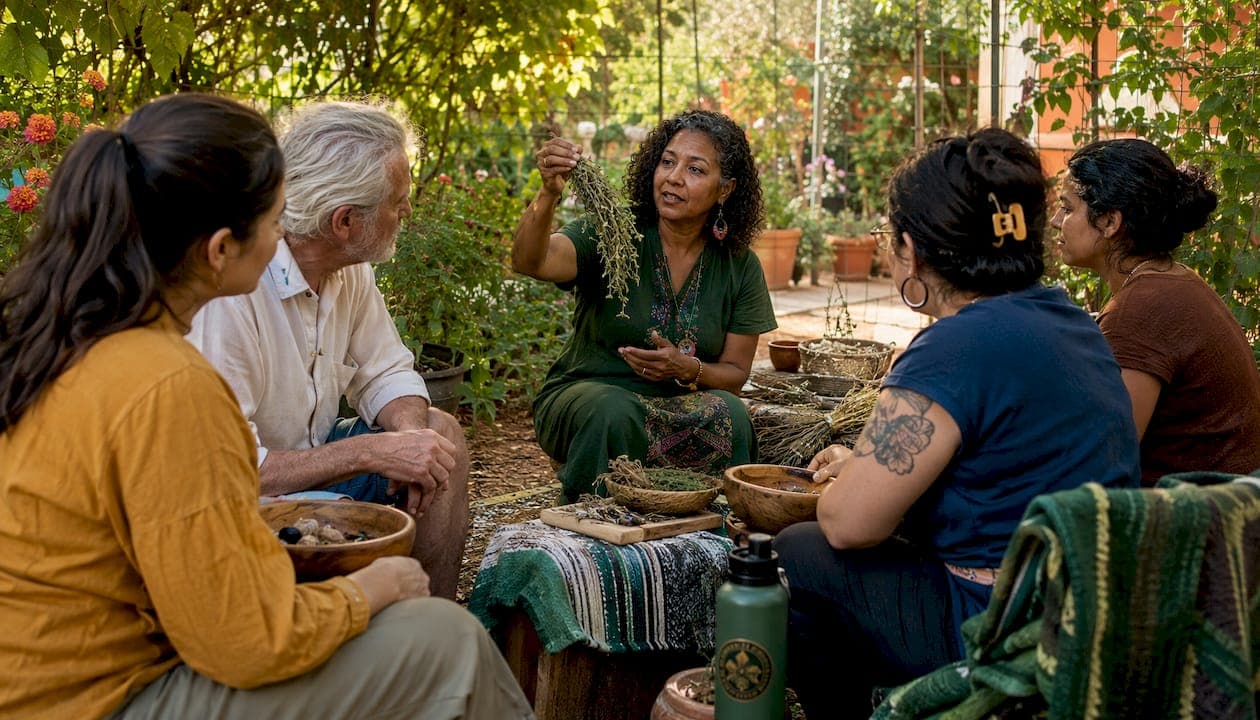
Attend a local harm-reduction meetup this week. That single step opens more doors in Arizona's plant medicine community than any amount of online research. The Arizona Psychedelic Society runs education-focused gatherings designed exactly for newcomers, and showing up consistently, humbly, and ready to help is the fastest way to build rapport in Arizona's plant medicine community.
Start here in your first 30–90 days:
- Find and attend one Arizona Psychedelic Society or Southwest Psychedelic Society event
- Introduce yourself without leading with what you want to learn or buy
- Volunteer for event setup, cleanup, or outreach before asking about ceremonies
- Visit a local apothecary or plant walk and listen more than you speak
- Follow up with organizers by email after events, offering continued help
Pro Tip: Ask about reciprocity programs when you register. Many groups offer volunteer-based access to workshops so cost is never a barrier to showing up.
Table of Contents
- Where do you find local plant medicine groups in Arizona?
- What does long-term engagement actually look like?
- Why do ethics and reciprocity matter so much here?
- What are the basic harm-reduction and legal cautions in Arizona?
- How does Arizona's cultural history shape these communities?
- Who are the facilitators and leaders worth seeking out?
- How do you participate in or organize a ceremony in Arizona?
- What communication style do Arizona plant medicine groups expect?
- Pillars of Light hap'e: ethically sourced tools while you build local roots
Where do you find local plant medicine groups in Arizona?
Arizona has a genuine network of physical hubs and recurring gatherings. Each one offers a low-pressure entry point.
Tucson is particularly rich. Yolia Botánica is a queer-affirming community apothecary hosting workshops, ritual tools, and cultural events that blend activism with plant-based healing. Yerba Nomadica runs plant walks, trauma-informed consultations, and mutual-aid herbal services. Both welcome curious newcomers without expectation.
Prescott has Herbal Goddess Healing, where community herbalist Margo Burdek holds a Community Tea Time every Thursday at Earth & Herbs Arizona Yoga & Healing Arts Studio on S Montezuma. Walk in, sit down, listen. That weekly rhythm is exactly the kind of consistent window that builds real trust.
Flagstaff is home to The Forager's Path, a school rooted in Southwest herbal medicine that trains community herbalists in both theory and field practice. Their courses draw students who become long-term community members. Desert Moon Botanicals adds field-based learning and a small-batch apothecary emphasizing ethical, regionally sourced plants.
What does long-term engagement actually look like?
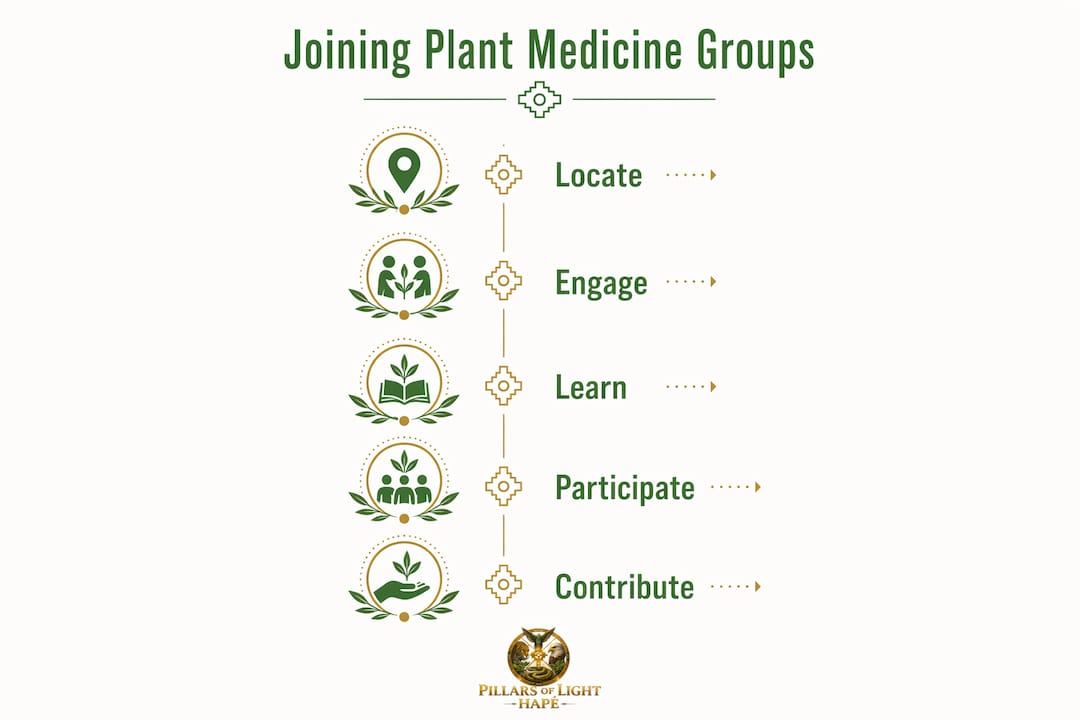
Deeper access takes months, not weeks. That gatekeeping protects ceremony integrity and participant safety, so respect it rather than push against it.
Sacred Wildness offers a structured plant medicine apprenticeship with roughly 150 hours of study, including fieldwork, collaborative medicine-making, and camping components. That kind of commitment signals seriousness to the broader community. The Forager's Path similarly offers multi-level herbalist training, from family wellness foundations up through clinical study.
Knowing regional plants by name, understanding respectful harvesting, and showing up to mutual-aid projects all signal place-based commitment. These are the markers experienced practitioners notice.
Why do ethics and reciprocity matter so much here?
Arizona's plant medicine communities sit at the intersection of Indigenous tradition and contemporary wellness culture. That intersection requires care. Many lineages practiced here, including those involving Amazonian medicines, originate with specific tribes and knowledge-keepers who have not always been credited or compensated.
Demonstrating awareness of those lineages, supporting preservation efforts, and never claiming authority you have not earned reduces friction and builds genuine trust. The role of Indigenous elders in medicine is not ceremonial window dressing. It is the living root of these practices. Understanding ancestral guidance and healing as a framework, rather than a product, changes how you show up.
What are the basic harm-reduction and legal cautions in Arizona?
Plant medicine law in the United States varies by substance, jurisdiction, and context. Some substances remain federally scheduled regardless of ceremonial intent. Arizona has no blanket state-level exemption for ceremonial use of controlled substances. Confirm current legal status with a qualified attorney before participating in or organizing any ceremony involving scheduled plants.
Harm reduction means knowing what you are working with, having a trusted sober presence available, and never combining plant medicines with prescription medications without medical guidance. The safe use guide for hapé is a practical starting point for Amazonian medicines specifically.
This article is general information, not legal or medical advice. Confirm current rules with a qualified professional for your specific situation.
How does Arizona's cultural history shape these communities?
The Sonoran Desert has been a place of plant-based healing for thousands of years. O'odham, Yavapai, Navajo, and other Indigenous nations have maintained living relationships with regional plants that predate any contemporary wellness movement. Tucson, Flagstaff, and the Verde Valley sit within or adjacent to these living traditions.
Contemporary Arizona plant medicine communities are shaped by that history, sometimes uncomfortably. Understanding decolonized plant medicine as a concept, not just a phrase, helps you engage with more humility and less entitlement. Read before you ask. Learn the land before you claim the medicine.
Who are the facilitators and leaders worth seeking out?
Rather than naming individuals as gatekeepers, look for people who teach consistently, cite their lineages honestly, and prioritize student safety over ceremony aesthetics.
At The Forager's Path in Flagstaff, the school's instructors bring decades of Southwest field experience. Herbal Goddess Healing's Margo Burdek in Prescott combines clinical herbalism with energy work and spiritual herbalism workshops. Yolia Botánica in Tucson centers community voices and rotating facilitators. Sacred Wildness apprenticeship instructors work across multiple seasons with the same cohort. These are the relationships worth cultivating, slowly and on their terms.
How do you participate in or organize a ceremony in Arizona?
You attend first. You help set up. You clean up after. Ceremony invitations in Arizona's plant medicine community are earned through demonstrated respect, not requested through a contact form.
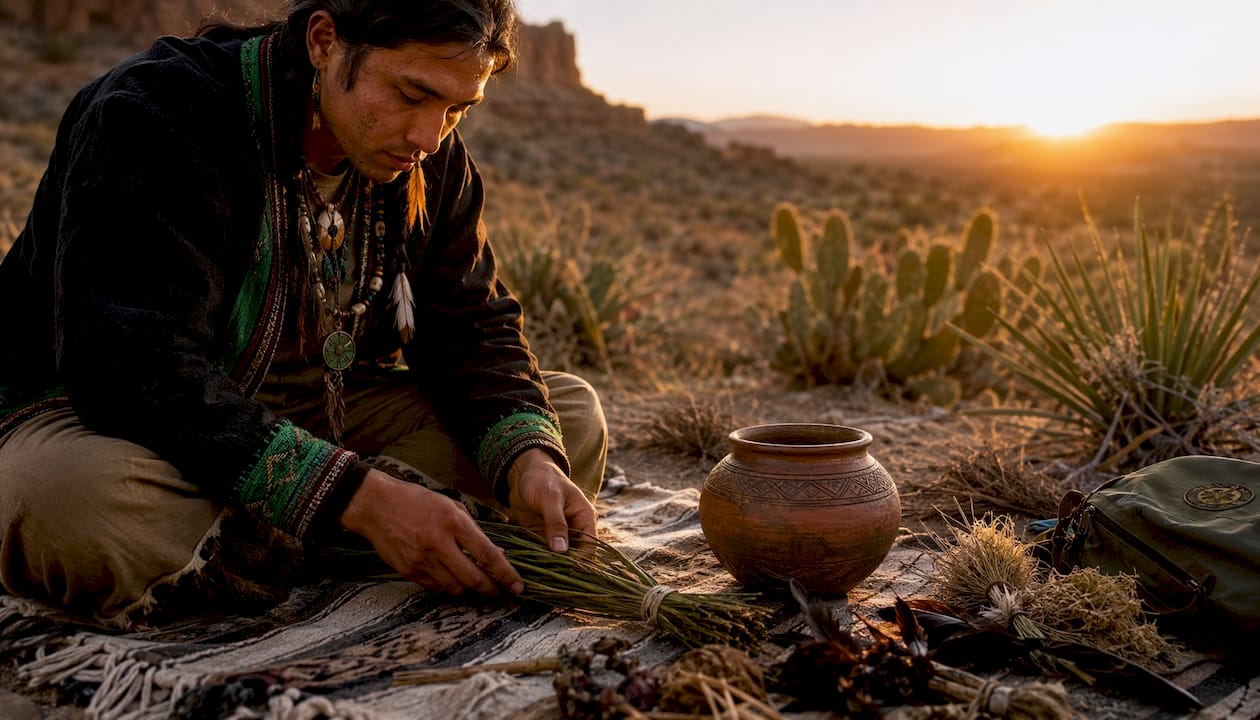
If you eventually want to organize a gathering, start with a study circle or plant walk, not a full ceremony. Understand ceremony types and formats before you host anything. Secure a knowledgeable facilitator, communicate harm-reduction protocols clearly, and never charge in a way that commodifies sacred practice.
What communication style do Arizona plant medicine groups expect?
Slow down. These communities value in-person presence over digital networking. A direct message asking for ceremony access after one event reads as transactional. Showing up to three consecutive tea times without an agenda reads as genuine.
Ask questions that show you have done your homework. "What plants are native to this watershed?" lands better than "How do I find a ceremony?" Humility and curiosity, consistently expressed, are the actual currency here. The role of community in plant ceremony is relational, not transactional, and Arizona groups can tell the difference quickly.
Pillars of Light hap'e: ethically sourced tools while you build local roots
While you build in-person relationships across Arizona, you still need quality ceremonial tools you can trust. Pillars of Light hap'e carries 75+ small-batch hapé blends and handcrafted kuripes and tepis made by Amazonian artisans, shipped from Old Town Spring, Texas. Every product comes with a stated commitment to ethical sourcing, Indigenous preservation, and rainforest support. That provenance matters when you bring offerings to a community tea time or support a ceremony you have been invited to attend.
A starter bundle, a kuripe and a small hapé blend, gives you a personal practice to develop quietly while your community roots deepen. Browse the full ceremonial items collection to find what fits where you are right now.