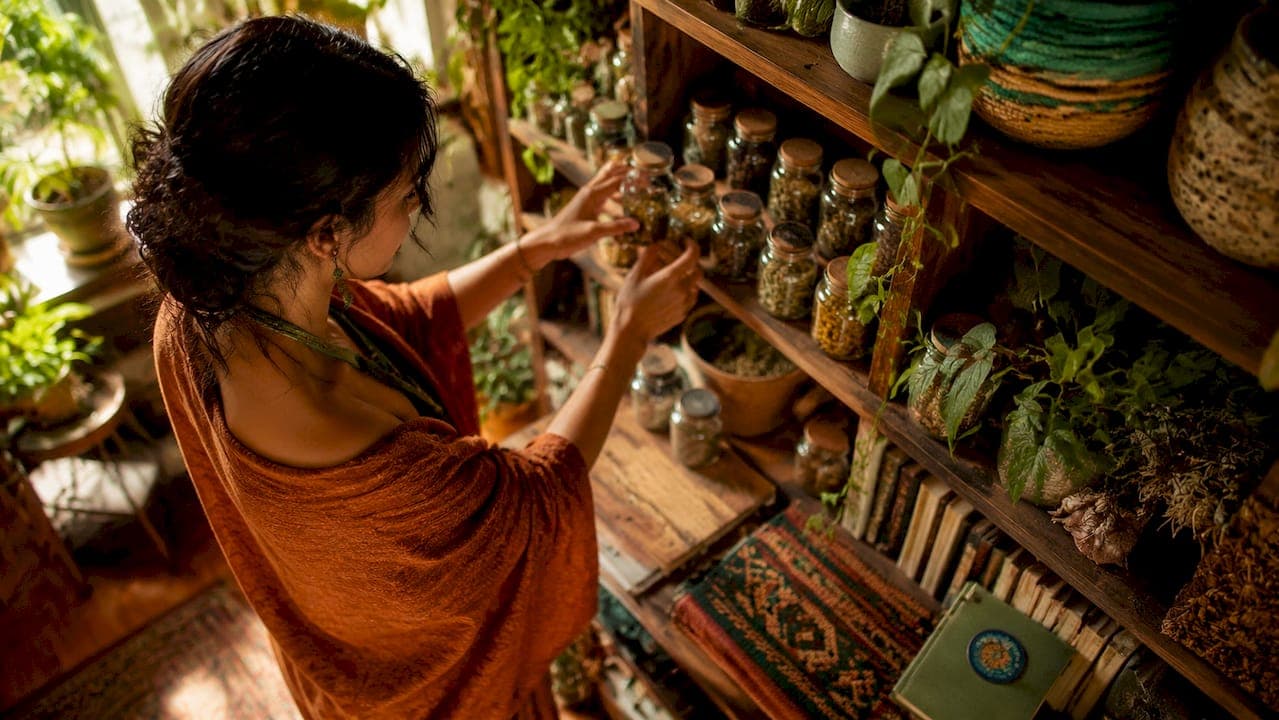
A plant medicine home practice is defined as a personal system of growing, preparing, and using medicinal herbs to support your health and wellbeing. Herbalism, the recognized industry term for this tradition, has roots in every culture on earth and remains one of the most direct ways to connect with natural healing. You do not need land, a large budget, or years of training to start. What you need is a clear method, the right foundational tools, and respect for the plants you work with. This guide gives you exactly that, covering everything from your first herb selection to safe preparation techniques and the ritual practices that make a home herbalism practice last.
What foundational tools do you need to build a plant medicine home practice?
The right tools make the difference between a practice that sticks and one that stalls after the first batch. You can start small indoors using store-bought or foraged herbs without any garden space at all. That means the barrier to entry is lower than most people assume.
Core equipment for your home apothecary:
- Glass mason jars (4 oz, 8 oz, and 16 oz sizes) for macerating and storing preparations
- Fine mesh strainer and cheesecloth for filtering plant material from finished extracts
- A kitchen scale accurate to 0.1 grams for measuring herb-to-liquid ratios precisely
- Measuring cups and spoons for liquid solvents like alcohol, water, or vegetable glycerin
- Nitrile gloves to protect your skin when handling potent or resinous plant material
- Dark amber or cobalt glass bottles for storing finished tinctures away from light
- Labels and a permanent marker to record herb name, date, solvent, and ratio on every jar
For growing, you need well-draining potting mix, seed-starting trays, and small pots sized 6–12 inches for most medicinal herbs. A sunny south-facing windowsill replaces a full garden for many beginner plants.
Storage matters from day one. Dried herbs lose potency when exposed to heat, light, and humidity. Store them in sealed glass jars in a cool, dark cabinet. Finished liquid preparations belong in dark glass bottles, away from direct sunlight.
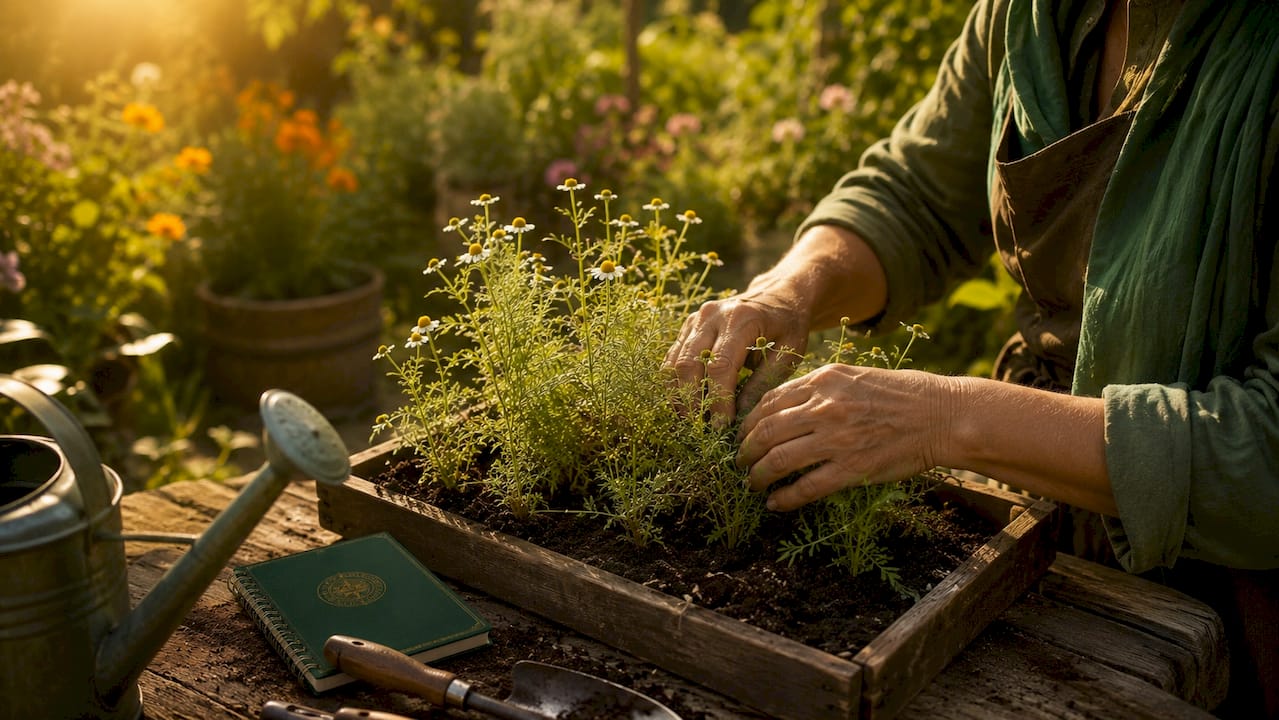
Pro Tip: Label every jar the moment you fill it. Memory is unreliable. A label with the herb name, preparation date, solvent type, and ratio saves you from guessing six months later.
| Supply category | What to get first |
|---|---|
| Extraction vessels | 4 oz and 8 oz glass mason jars |
| Filtration | Fine mesh strainer plus cheesecloth |
| Measurement | Kitchen scale accurate to 0.1 grams |
| Storage | Dark amber dropper bottles, sealed glass jars |
| Growing | 6-inch pots, seed-starting mix, grow tray |
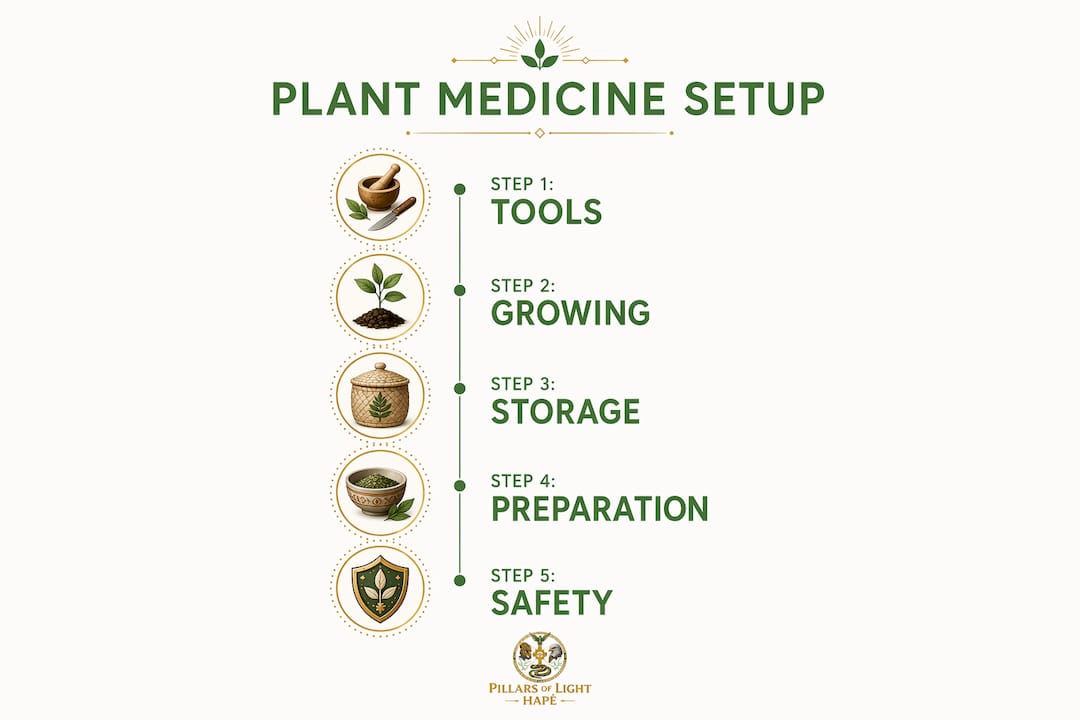
Which medicinal plants are best for beginners to grow?
Beginner plant selection determines whether your DIY herbal practice builds momentum or frustrates you early. The best starter herbs are forgiving, versatile, and useful across multiple preparation types including teas, tinctures, and salves.
Seven beginner-friendly medicinal herbs:
- Chamomile (Matricaria chamomilla): Grows easily in full sun. Used in calming teas, sleep-support infusions, and skin-soothing salves. Harvest flowers at full bloom for peak potency.
- Lemon balm (Melissa officinalis): Thrives in partial shade and spreads readily. Supports nervous system calm and digestive ease. Works well fresh or dried in teas and tinctures.
- Calendula (Calendula officinalis): Prefers full sun and blooms prolifically. The flowers are the medicine. Calendula salve is one of the most practical preparations a beginner can make for skin repair.
- Peppermint (Mentha x piperita): Grows aggressively, so keep it in a container. Used for digestive support, headache relief, and respiratory teas. Harvest leaves before the plant flowers.
- Lavender (Lavandula angustifolia): Needs well-drained soil and full sun. Supports sleep, anxiety relief, and topical pain care. Harvest flower spikes just before they fully open.
- Echinacea (Echinacea purpurea): A perennial that returns each year. Roots and aerial parts both carry medicine. Used in immune-support tinctures and teas.
- Tulsi (Ocimum tenuiflorum), also called Holy Basil: Loves heat and sun, making it ideal for Texas climates. An adaptogen that supports stress response and respiratory health.
Pro Tip: Grow at least one herb you will actually use every week. Daily contact with a plant, even just brushing its leaves, deepens your relationship with it and keeps your practice active.
Each herb on this list supports a different remedy goal. Chamomile and lavender anchor sleep and calm preparations. Calendula and peppermint cover topical and digestive needs. Echinacea and tulsi build your immune and adaptogen toolkit. Together, these seven plants give you a working home herbal healing foundation.
How do you prepare tinctures, infusions, and salves at home?
Preparation method determines both the potency and the shelf life of your remedies. The three core techniques for a home practice are tinctures, infusions, and salves. Each serves a different purpose and requires a different approach.
Tinctures
A tincture is an alcohol-based extract that draws active compounds from plant material. Tinctures last 10–15 years when stored properly, making them the most shelf-stable preparation in your apothecary. That longevity makes them worth the extra steps.
The standard 1:5 herb-to-liquid ratio is the widely accepted benchmark for tincture making. This means 1 gram of dried herb per 5 milliliters of solvent. That ratio balances extraction efficiency with safe, predictable dosing.
How to make a basic tincture:
- Weigh your dried herb on a kitchen scale. Use the 1:5 ratio as your guide.
- Finely chop the herb material before packing it into your jar. Smaller pieces increase surface area and improve extraction.
- Fill the jar with your chosen solvent. 80-proof vodka (40% alcohol) works for most leafy herbs. Higher-proof spirits extract resins and alkaloids more effectively.
- Seal the jar and shake it daily for 4–6 weeks. Store it in a cool, dark location during maceration.
- Strain the mixture through cheesecloth, pressing the plant material firmly to extract all liquid.
- Pour the finished tincture into dark amber dropper bottles. Label with herb name, date, ratio, and solvent.
Glycerites
Vegetable glycerin offers an alcohol-free alternative for those who prefer it. Glycerites suit people who dislike alcohol taste or who prepare remedies for children. The trade-off is shelf life. Glycerites are less shelf-stable than alcohol tinctures and typically last 1–3 years. Use the same 1:5 ratio and maceration process, substituting food-grade vegetable glycerin for alcohol.
Infusions
An infusion is simply a medicinal tea steeped longer and with more plant material than a standard cup of tea. Use 1–2 tablespoons of dried herb per 8 ounces of just-boiled water. Cover the cup while steeping to trap volatile oils. Steep for 10–20 minutes, then strain and drink. Infusions are the fastest preparation to make and the best starting point for beginners.
Salves
A salve combines an oil infusion with beeswax to create a topical preparation. Infuse dried calendula or lavender in a carrier oil like olive or coconut oil using a low-heat method for 4–6 hours. Strain out the plant material, then melt beeswax into the warm oil at a ratio of roughly 1 ounce of beeswax per 8 ounces of oil. Pour into small tins and allow to set.
Harvest timing shapes the medicine before preparation even begins. Harvest mid-morning after dew evaporates and before peak heat. Harvest leaves before the plant flowers, and flowers at full bloom. This timing captures the highest concentration of active compounds.
Pro Tip: Use freshly harvested, finely chopped plant material whenever possible. Fresh material preserves medicinal integrity better than dried or whole parts, especially for tinctures.
What safety precautions should you follow in a home plant medicine practice?
Safety is not optional in herbal practice at home. Plants are bioactive. That means they interact with your body's chemistry, and sometimes with medications you already take.
Core safety practices for every home herbalist:
- Start with low doses. Herbs can interact with prescription medications or trigger allergic reactions. Begin with the lowest suggested dose and observe your response over several days before increasing.
- Research contraindications before use. St. John's Wort, for example, is well-documented to reduce the effectiveness of certain pharmaceuticals. Know your herb before you take it.
- Keep a remedy journal. Record what you took, the dose, the preparation method, and any effects you noticed. This data becomes your most valuable reference over time.
- Source herbs ethically. Wildcrafted herbs should never be harvested from protected land or from populations that cannot sustain it. Grow your own or buy from suppliers who practice ethical sourcing in plant medicine.
- Consult a healthcare provider before using herbal preparations if you are pregnant, nursing, managing a chronic condition, or taking prescription medications.
Herbalism works best as part of a wider approach to health. It should not replace professional medical care, but it can work alongside it powerfully when practiced with knowledge and care.
Sustainable growing practices protect both your supply and the broader ecosystem. Harvest no more than one-third of any plant at a time. Rotate your harvesting areas if you wildcraft. Grow what you use most, and buy the rest from trusted, transparent suppliers.
How do you bring ritual and intention into a lasting herbal practice?
A plant medicine practice that lasts is built on more than technique. Building an apothecary is as much about intention and ritual as it is about the physical remedies. That insight separates practitioners who stay with it for years from those who abandon it after a few batches.
The Six Sacred Ritual Practices used in traditional apothecary work bring presence and gratitude to remedy-making. You can adapt these principles to your own home practice:
- Set an intention before you begin. State clearly what you are making and why. This grounds your attention and keeps preparation purposeful.
- Work in silence or with intentional sound. Avoid distraction during preparation. Some practitioners use drumming, chanting, or simply quiet focus.
- Acknowledge the plant's origin. Know where your herb came from. Understanding its indigenous traditions and cultural context deepens respect for what you are working with.
- Use your senses fully. Smell, touch, and observe your plant material before and during preparation. Sensory engagement builds plant knowledge faster than reading alone.
- Give thanks after completing a preparation. Gratitude is not superstition. It is a practice of attention that keeps you connected to the work.
- Adapt remedies to your own life. A practice you enjoy and can sustain is more valuable than a perfect one you abandon. If glycerites work better for your taste, use them. If morning teas fit your schedule better than tinctures, build around that.
Pro Tip: Explore plant spirit medicine practices to deepen the intentional layer of your work. Sacred relationship with plants is a tradition that spans cultures and centuries.
Community matters too. Connect with local herb guilds, online herbalism groups, or teachers who can answer questions as your practice grows. No book replaces the knowledge that comes from experienced hands.
Key Takeaways
A successful home herbalism practice requires the right tools, safe preparation ratios, ethically sourced plants, and consistent ritual to sustain it over time.
| Point | Details |
|---|---|
| Use the 1:5 tincture ratio | One gram of dried herb per 5 ml of solvent ensures potency and safe dosing. |
| Start with seven beginner herbs | Chamomile, calendula, lemon balm, peppermint, lavender, echinacea, and tulsi cover most beginner needs. |
| Harvest timing affects potency | Harvest mid-morning, leaves before flowering, and flowers at full bloom for peak medicinal strength. |
| Tinctures outlast glycerites | Alcohol-based tinctures last 10–15 years; glycerites last 1–3 years. Choose based on your storage needs. |
| Ritual sustains the practice | Intention, gratitude, and sensory engagement keep your practice active and meaningful long-term. |
What I've learned from years of working with plant medicine
Most people who start a home herbal practice make the same mistake. They try to do too much too fast. They buy 20 herbs, three books, and a full set of equipment before they have made a single preparation. Then the overwhelm sets in, and the jars sit unused on a shelf.
What actually works is starting with one herb you already know and trust. Make one preparation. Use it. Notice what happens. Then add another plant. That slow, deliberate pace builds real knowledge, not just a collection of supplies.
The ritual layer surprised me most. I expected the craft to be satisfying. I did not expect the act of sitting quietly with a plant, chopping it by hand, smelling the oils release, to feel like a form of medicine in itself. The preparation process changes you as much as the remedy does.
Safety took longer for me to take seriously than it should have. Herbs feel gentle because they are natural. But natural does not mean harmless. Learning to research contraindications and start with low doses was not a limitation on my practice. It was what made my practice trustworthy.
The connection to tradition is what keeps me grounded. Knowing that the techniques I use trace back through centuries of plant medicine healing across cultures gives the work weight. Start small. Stay curious. Let the plants teach you at their own pace.
— Manifest Light
Pillars of Light hap'e: tools for your home apothecary

Pillars of Light hap'e carries a curated selection of ceremonial plant medicine tools and Amazonian preparations sourced with genuine respect for Indigenous traditions. If your home practice is growing toward ceremonial work or you want to explore master plant traditions alongside your herbal remedies, the collection at Pillars of Light hap'e offers a grounded starting point. Every product reflects the brand's commitment to ethical sourcing and cultural preservation. You can browse Amazonian ceremonial tools and traditional Hapé blends directly on the website, shipped from Old Town Spring, Texas. Quality sourcing is the foundation of any serious plant medicine practice, and Pillars of Light hap'e takes that responsibility seriously.
FAQ
What is the standard herb-to-liquid ratio for tinctures?
The standard ratio is 1:5, meaning 1 gram of dried herb per 5 milliliters of solvent. This ratio is widely accepted in herbalism for consistent potency and safe dosing.
Can I start a home herbal practice without a garden?
Yes. You can build foundational skills and make effective remedies using store-bought or foraged herbs without any outdoor growing space. A sunny windowsill and a few small pots are enough to start.
How long do homemade herbal preparations last?
Alcohol-based tinctures last 10–15 years when stored in dark glass away from heat. Glycerites last 1–3 years. Dried herbs stay potent for 1–2 years in sealed, dark containers.
Are herbal remedies safe to use alongside medications?
Herbs are bioactive and can interact with prescription medications. Always research contraindications for each herb and consult a healthcare provider before combining herbal preparations with any medication.
What is the best first herb for a beginner home practice?
Chamomile or lemon balm are ideal first herbs. Both are easy to grow, gentle in effect, well-studied, and useful across multiple preparation types including teas, tinctures, and topical preparations.