How Indigenous elders shape medicine and community health
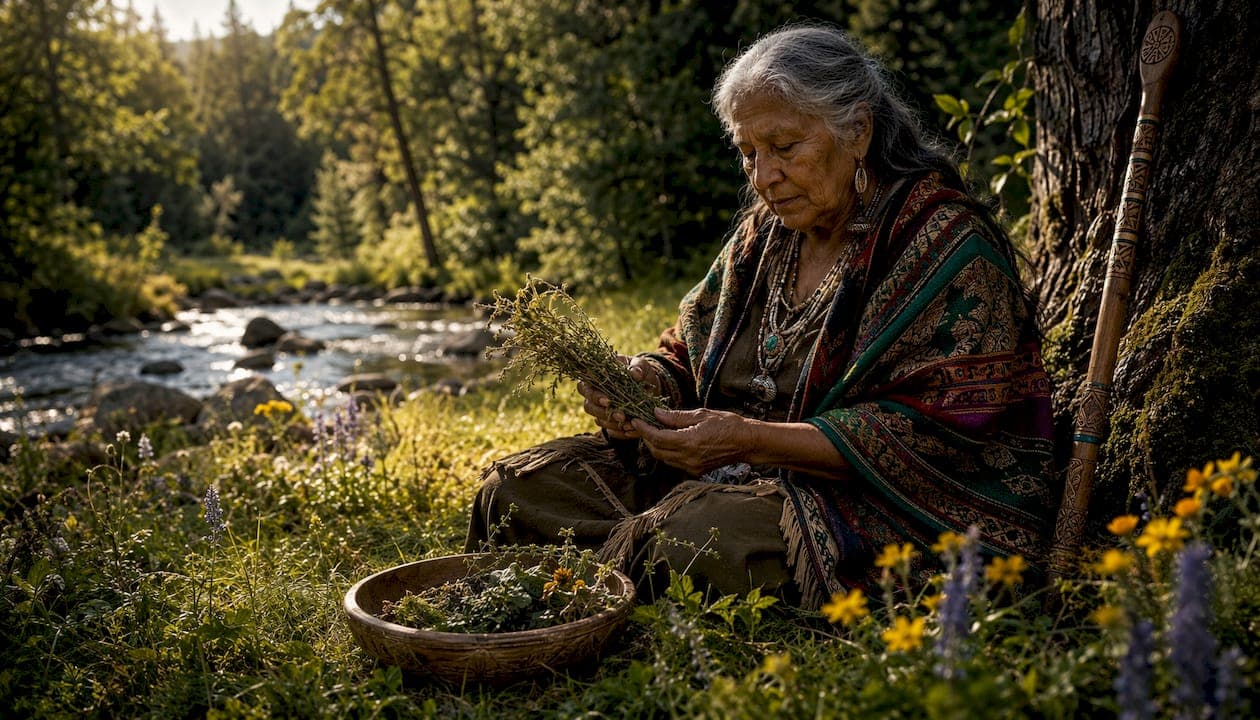
Indigenous elders are the primary holders of medicinal, cultural, and spiritual knowledge within their communities. Their role in medicine goes far beyond prescribing remedies. They hold the living memory of how plants heal, how ceremonies restore balance, and how relationships between people, land, and spirit sustain health across generations. That knowledge, passed down through oral tradition and direct mentorship, forms the backbone of traditional healing practices that millions of people worldwide still rely on today.
The World Health Organization reports that 170 of its 194 Member States have documented the use of herbal medicines, acupuncture, yoga, Indigenous therapies, and other traditional medicine systems. Elders are often the source of that knowledge at the community level, the ones who remember which plants work, which ceremonies matter, and why context cannot be separated from cure.
Their contributions span every dimension of health:
- Medicinal knowledge: Identifying, preparing, and applying plant medicines, roots, and other natural remedies
- Spiritual guidance: Mediating between the physical world and ancestral or spiritual forces that influence health
- Ceremonial leadership: Guiding healing ceremonies that address emotional, mental, and spiritual imbalance
- Cultural education: Teaching younger generations the values, languages, and practices that protect community health
- Community counseling: Advising individuals and families through illness, grief, and life transitions
- Disease prevention: Sharing traditional knowledge about food, movement, ritual, and relationship that guards against illness
- Policy advocacy: Speaking for Indigenous health rights within institutions that often overlook traditional systems
Understanding the role of Indigenous elders in medicine means recognizing that healing, in most Indigenous worldviews, is never just a clinical transaction. It is a restoration of balance across body, mind, spirit, and community.
Elders as knowledge keepers and cultural advisors
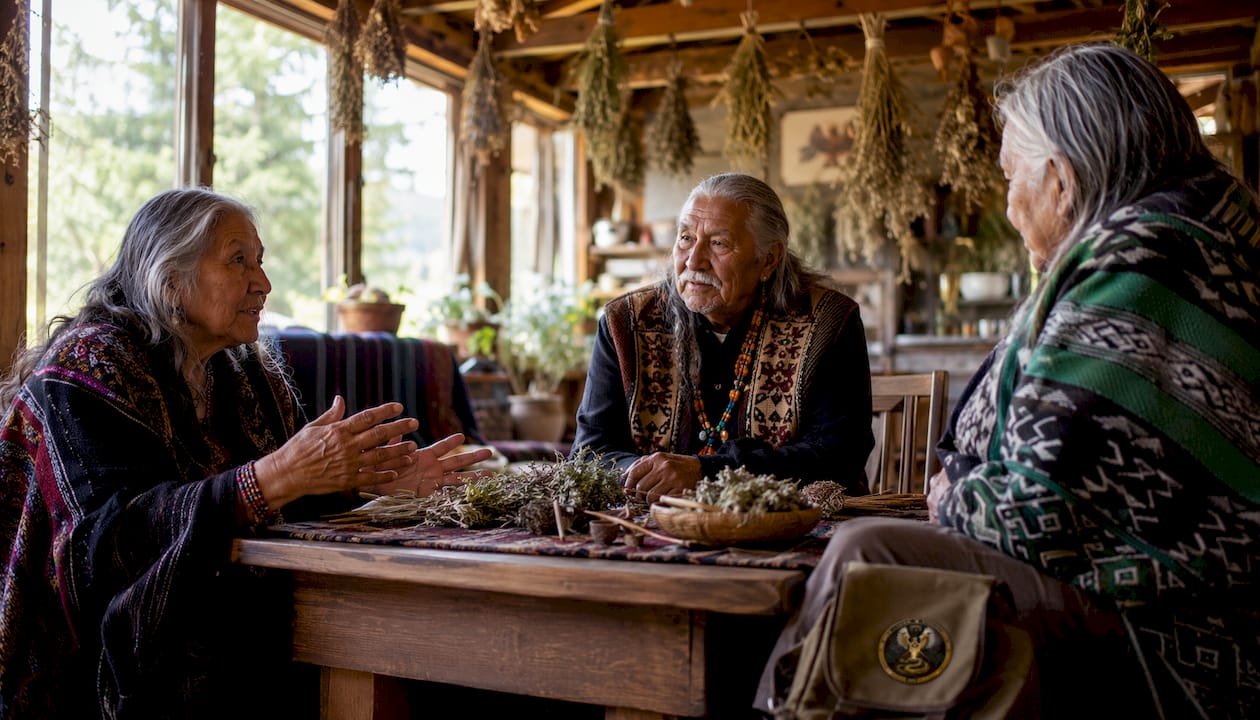
Not every elder is a healer, and not every healer is an elder. This distinction matters. According to the Resource Bank's overview of roles in Indigenous traditional medicine, three roles often overlap but remain distinct: Elders serve as wisdom holders whose authority comes from lived experience and community recognition; Knowledge Keepers maintain specific bodies of medicinal or ceremonial knowledge; and Healers specialize in treatment practices, often after years of dedicated training. One person may carry all three roles, depending on their gifts and the needs of their community.
Elders hold cultural authority that no credential can replicate. Their knowledge is earned through decades of observation, practice, and relationship with the land. They remember what the land looked like before displacement, which plants grew where, and how seasonal rhythms shaped the body's needs. That memory is irreplaceable.
Their advisory role extends well beyond medicine. Elders guide communities through conflict, interpret dreams and signs, oversee ceremonial protocols, and maintain the oral traditions that carry history forward. They are, in many ways, the living libraries of their nations.
Key domains where elders serve as knowledge keepers and advisors:
- Language preservation: Many medicinal plant names and preparation instructions exist only in Indigenous languages, and elders are often the last fluent speakers
- Ceremonial protocols: Elders determine who may participate in ceremonies, how they are conducted, and what spiritual preparations are required
- Medicinal plant knowledge: Elders know which plants treat which conditions, how to harvest them respectfully, and how to prepare them safely
- Ethical guidance: Elders advise on the moral dimensions of healing, including when and how to share knowledge with outsiders
- Intergenerational mentorship: Elders identify and train the next generation of Knowledge Keepers and Healers within their communities
The ancestral wisdom that elders carry is not folklore. It is a living, tested system of knowledge that has sustained communities through centuries of change, and in many cases, through active suppression.
How elders define health as relationship, not just remedy
Indigenous health is fundamentally relational. It is not defined by the absence of disease but by the quality of relationships: with family, with community, with the land, with ancestors, and with the spiritual world. Elders are the teachers of this worldview, and their presence in a community shapes how people understand and pursue wellness.
The Potawatomi Nation's approach to health captures this well. Elders there remind practitioners that healing requires balance with land, spirit, and community, not just clinical intervention. That framing shifts the entire model of care. A person's illness is not just their problem. It reflects the health of the relationships around them.
Traditional Indigenous medicine, as described in the British Columbia Medical Journal, emphasizes balance across physical, emotional, spiritual, and mental dimensions, often represented through the medicine wheel. Restoring health means restoring harmony across all four dimensions, through ceremonies, nutrition, fasting, movement, and community connection guided by elders. No single remedy addresses all four. That is why elders, not just herbalists, are central to the healing process.
Indigenous cultures also reverse the Western tendency to treat aging as decline. Elders are not patients waiting for care. They are community leaders, moral authorities, and the foundation of collective health. The Potawatomi perspective makes this explicit: elders are revered as wisdom and story keepers who enrich cultural life and health practices, not burdens on a healthcare system but its most experienced guides.
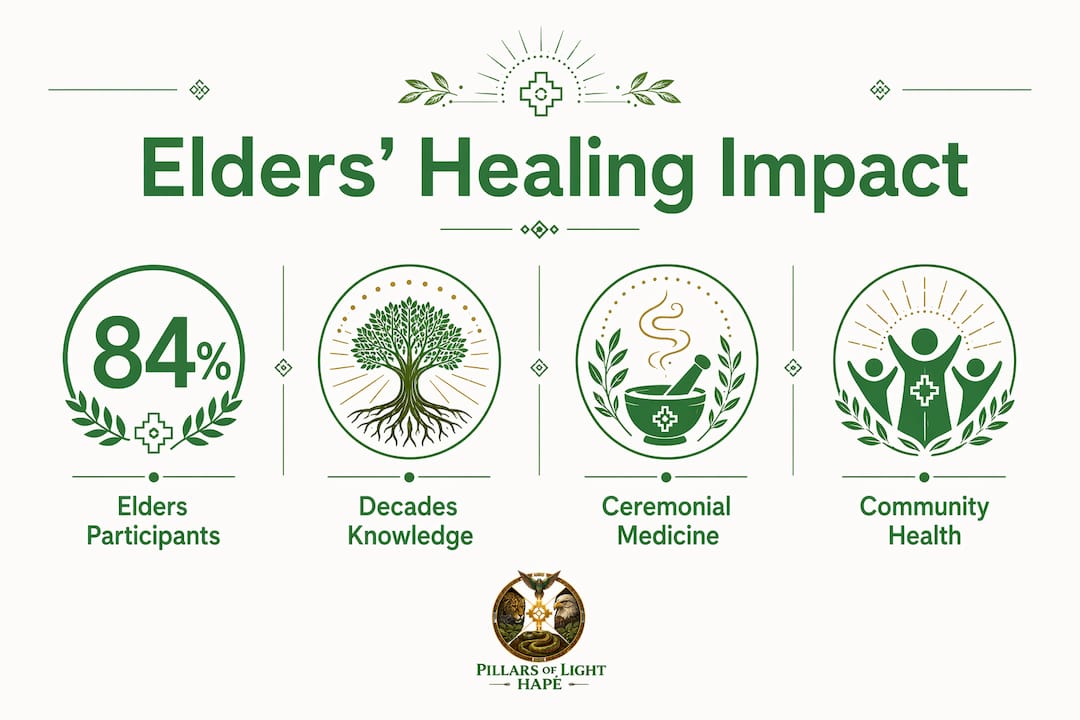
84% of participants in a traditional healing study published in the Journal of Ethnobiology and Ethnomedicine were elders over 62 years old, confirming that the deepest concentration of medicinal knowledge lives in the oldest generation.
Social cohesion is itself a health outcome in this worldview. When elders are present and respected, communities show stronger intergenerational bonds, clearer cultural identity, and greater resilience against the chronic stressors that drive poor health outcomes. Their presence is not symbolic. It is structural.
Traditional healing practices, ceremonies, and spiritual connections
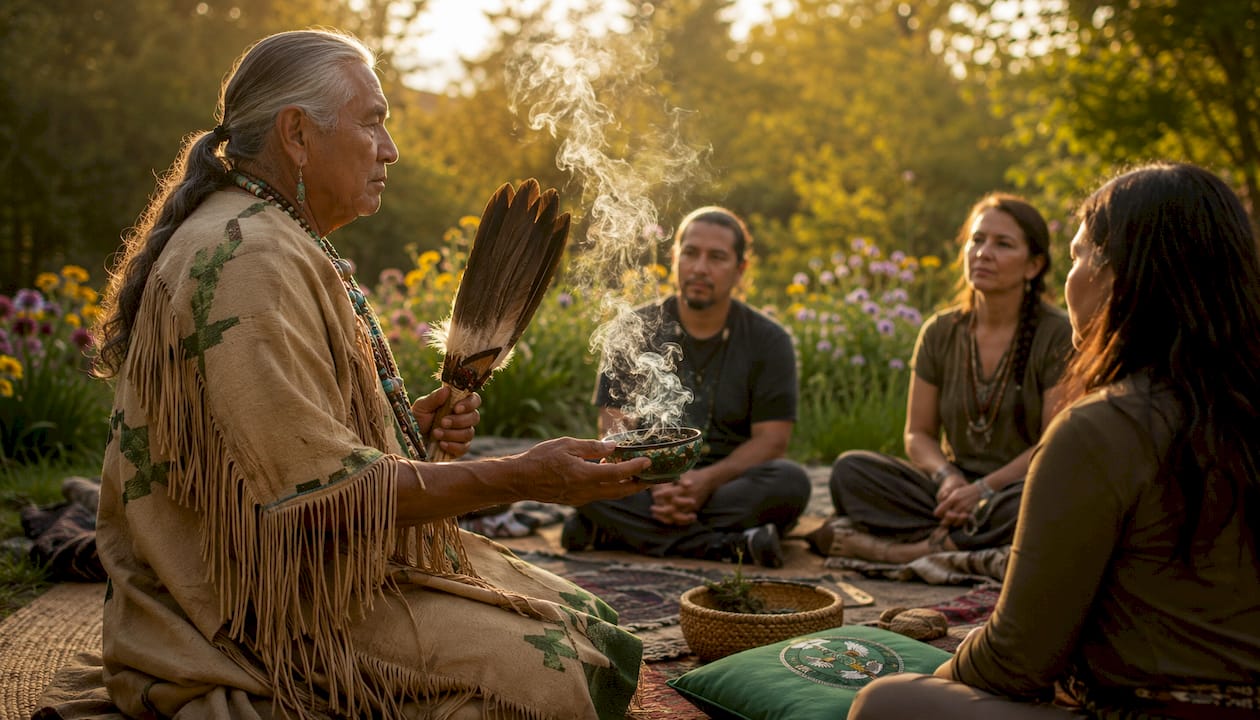
Healing ceremonies led by elders are not supplementary to medicine. They are medicine. The British Columbia Medical Journal notes that ignoring relational and ceremonial aspects of healing leads to ineffective or disrespectful outcomes, even when the physical remedy is correct. The ceremony is not decoration around the herb. It is part of the treatment.
Elders serve as spiritual mediators in these ceremonies, connecting the person seeking healing to ancestral forces, the natural world, and the community's collective spiritual life. This mediation addresses dimensions of suffering that biomedical care rarely touches: grief, disconnection, loss of purpose, and spiritual disorientation. These are not metaphors for psychological states. In Indigenous frameworks, they are real causes of physical illness.
Common healing practices and ceremonial elements guided by elders include:
- Sweat lodge ceremonies: Used for purification, prayer, and restoration of physical and spiritual balance
- Smudging: Burning sacred plants such as sage, cedar, or sweetgrass to cleanse a person or space of negative energy
- Talking circles: Facilitated by elders to address emotional and relational wounds through communal storytelling and listening
- Plant medicine ceremonies: Guided use of medicinal plants, including Amazonian ceremonial plants, within a structured spiritual context
- Fasting and vision quests: Periods of intentional withdrawal and prayer to restore clarity and spiritual connection
- Ancestral offerings: Rituals honoring those who came before, maintaining the relational thread between living and ancestral communities
- Storytelling as medicine: Elders use narrative to transmit health knowledge, moral guidance, and cultural identity simultaneously
The role of community in plant ceremony is inseparable from the elder's role as guide. Without that cultural container, a plant medicine is just a substance. With it, the same plant becomes part of a living tradition that addresses the whole person.
Medicinal plants carry specific ceremonial significance in many traditions. Tobacco, for instance, is sacred in many North American Indigenous cultures, used as an offering and a means of prayer rather than a recreational substance. Peyote holds central ceremonial importance for the Native American Church. Amazonian traditions work with plants like Hapé (Rapé), a sacred snuff prepared from tobacco and other medicinal plants, administered within ceremony by trained practitioners. In each case, the elder or ceremonial leader determines the context, the preparation, and the appropriate use. The plant alone is never the whole story.
What recent research reveals about elders' medicinal roles
The concentration of medicinal knowledge among elders is not just cultural observation. Research confirms it. A participatory ethnobotany study conducted among the Pataxó Hãhãhãi people in Brazil, published in the Journal of Ethnobiology and Ethnomedicine, found that 84% of traditional healing participants were over 62 years old. That figure points to an urgent reality: the people who hold the deepest knowledge are aging, and the transmission pipeline to younger generations is fragile.
The same study identified displacement, cultural fragmentation, and difficulty accessing traditional plants as the primary threats to knowledge preservation. Many traditional plants are rare, grow in remote areas, or have been lost to deforestation and land dispossession. Younger community members, facing these barriers, increasingly turn to synthetic medicines, not by preference but by necessity.
| Research finding | Source | Implication |
|---|---|---|
| 84% of traditional healing participants were over 62 | Pataxó Hãhãhãi ethnobotany study, Journal of Ethnobiology and Ethnomedicine | Medicinal knowledge is concentrated in aging elders |
| 170 of 194 WHO Member States report traditional medicine use | World Health Organization | Traditional systems are globally active, not marginal |
| Traditional therapies address psychosocial and lifestyle factors overlooked by conventional medicine | WHO Traditional Medicine Q&A | Elders' knowledge fills real gaps in biomedical care |
| Elders, Knowledge Keepers, and Healers hold distinct but overlapping roles | Resource Bank, Indigenous Traditional Medicine | Community recognition, not credentials, defines authority |
| Ignoring ceremonial context leads to ineffective or disrespectful healing | British Columbia Medical Journal | Ceremony is not optional. It is part of the treatment |
Integrative medicine, as the WHO frames it, recognizes traditional therapies as essential complements to biomedical care, particularly for chronic conditions where lifestyle and psychosocial factors drive outcomes. Elders are not "alternative" healers in this model. They are holders of a parallel and complementary system with its own internal logic, its own evidence base built over centuries, and its own irreplaceable cultural authority.
Pro Tip: When engaging with Indigenous healing traditions, always respect the spiritual context. A plant medicine or ceremony offered outside its cultural container loses both meaning and safety. Seek guidance from recognized elders or Knowledge Keepers before participating in any traditional practice.
How elders advocate for Indigenous health rights and policy
Elders do not only heal within their communities. They speak for those communities in rooms where decisions get made. Across the United States and globally, Indigenous elders have been central voices in advocating for the recognition of traditional medicine within public health policy, legal frameworks, and institutional healthcare systems.
The WHO's Global Traditional Medicine Strategy 2025–2034 explicitly names Indigenous Peoples' rights, culture, and health as one of its nine core implementation principles. That language did not appear by accident. It reflects decades of advocacy by Indigenous elders and leaders who insisted that traditional knowledge deserves legal protection, not just cultural tolerance.
In the United States, elders have played direct roles in shaping tribal health policy through Tribal Health Boards, the Indian Health Service, and the Tribal Leaders Diabetes Committee, which partnered with the Centers for Disease Control and Prevention to produce the "Eagle Books," a series of health education stories grounded in Indigenous elder knowledge. Elders in many communities participate actively in reading and elaborating on these stories, making them living educational tools rather than static publications.
Elders also advocate for data sovereignty, the right of Indigenous communities to control how health data about their people is collected, used, and shared. This is not a peripheral concern. Health data collected without community consent has historically been used to justify policies that harmed Indigenous communities. Elders who understand this history push back, insisting that research partnerships respect community authority and return benefits to the people studied.
Land rights are health rights in this framework. Elders consistently connect the loss of traditional territories to the loss of medicinal plants, clean water, and the spiritual relationships that sustain health. Advocacy for land protection is, in their view, inseparable from advocacy for community wellness.
How modern healthcare systems are integrating Indigenous elders
Healthcare systems in the United States and globally are beginning to recognize what Indigenous communities have always known: elders bring something clinical medicine cannot replicate. Several models of integration have emerged, though progress remains uneven.
Cultural liaison programs place Indigenous elders or Knowledge Keepers within hospital and clinic settings, where they support Indigenous patients navigating biomedical care. These elders help patients communicate their needs, interpret diagnoses through a cultural lens, and maintain spiritual practices during hospitalization. The result is better patient trust, stronger treatment adherence, and reduced cultural harm.
Tribal health centers operated under the Indian Self-Determination and Education Assistance Act allow tribes to design and deliver their own health services. Many of these centers formally incorporate elder knowledge into wellness programs, diabetes prevention, mental health services, and maternal care. The Lakota and Dakota elder women studied in the Journal of Health Disparities Research and Practice research represent exactly this kind of community-grounded knowledge that tribal health programs can draw on directly.
The WHO's integrative medicine framework provides international backing for these efforts. By recognizing that traditional therapies address aspects of health that conventional medicine overlooks, the WHO creates policy space for governments to fund and formalize elder-led healing within national health systems. Around 40% of pharmaceutical products today have a natural product basis, and many breakthrough drugs trace their origins to traditional medicine knowledge that elders helped preserve.
The challenge is integration without appropriation. Bringing elder knowledge into healthcare systems requires genuine partnership, not extraction. Elders must retain authority over how their knowledge is used, who uses it, and in what context. Programs that treat traditional knowledge as a resource to be mined, rather than a living system to be respected, repeat the same colonial patterns that damaged Indigenous health in the first place.
Real examples of Indigenous elders changing community health outcomes
The evidence of elders' impact on community health is not abstract. Specific cases show how elder knowledge, when respected and supported, produces measurable change.
Lakota and Dakota diabetes prevention. The participatory ethnographic study of nine Lakota and Dakota elder women at Standing Rock documented how these elders connected diabetes prevention to traditional food practices, respect for the land, prayer, and communal generosity. Their knowledge predated the diabetes epidemic and offered a blueprint for prevention grounded in cultural values rather than clinical instruction alone. The elders' stories became the foundation for community health programs that integrated traditional teachings with biomedical guidance.
The Pataxó Hãhãhãi ethnobotany project. In Brazil, a Pataxó Hãhãhãi ethnobotanist worked alongside elders in his own community to document traditional plant medicines before that knowledge was lost. The resulting study, published in the Journal of Ethnobiology and Ethnomedicine, identified the critical role of elders over 62 as the primary holders of medicinal plant knowledge, and called for urgent intergenerational transmission programs to prevent that knowledge from disappearing with its keepers.
Potawatomi holistic health events. The Potawatomi Nation has organized community health events that center elder wisdom as the foundation of wellness programming. These events bring together elders, health practitioners, and community members to address physical, emotional, spiritual, and mental health together, reflecting the medicine wheel framework that elders have taught for generations.
African traditional health practitioners. Across sub-Saharan Africa, elder traditional health practitioners serve as the first point of contact for primary care in many communities. Research published on NCBI Bookshelf notes that in South Africa, 60% of the population uses traditional health practitioners and medicines, with many consulting traditional practitioners before seeking biomedical care. Elders in these systems provide counseling, social mediation, community education, and ceremonial healing alongside plant-based remedies.
Eagle Books and the CDC partnership. The collaboration between the Centers for Disease Control and Prevention, the Indian Health Service, and the Tribal Leaders Diabetes Committee produced the "Eagle Books," health education stories written by Georgia Perez and grounded in Indigenous elder knowledge. Elders across many communities participate in reading and elaborating on these stories, demonstrating how traditional knowledge can be formalized into public health tools without losing its cultural grounding.
Each of these examples shares a common thread: the elder's knowledge is not supplementary. It is the foundation on which effective, culturally grounded health programs are built.
Key Takeaways
Indigenous elders are irreplaceable holders of medicinal, spiritual, and cultural knowledge whose authority rests on lived experience, community recognition, and an unbroken relationship with ancestral tradition.
| Point | Details |
|---|---|
| Elders concentrate medicinal knowledge | 84% of traditional healing participants in one study were elders over 62 years old, making elder knowledge preservation urgent. |
| Healing is relational, not just remedial | Elders teach that health requires balance with land, spirit, and community, not clinical treatment alone. |
| Ceremony is part of the treatment | Ignoring ceremonial context leads to ineffective or disrespectful healing, even when the physical remedy is correct. |
| Traditional medicine fills real gaps | The WHO recognizes traditional therapies as complements to biomedical care, addressing psychosocial and lifestyle factors conventional medicine often misses. |
| Integration requires genuine partnership | Bringing elder knowledge into healthcare systems works only when elders retain authority over how their knowledge is used. |
Honor the tradition: explore ceremonial tools at Pillars of Light hap'e
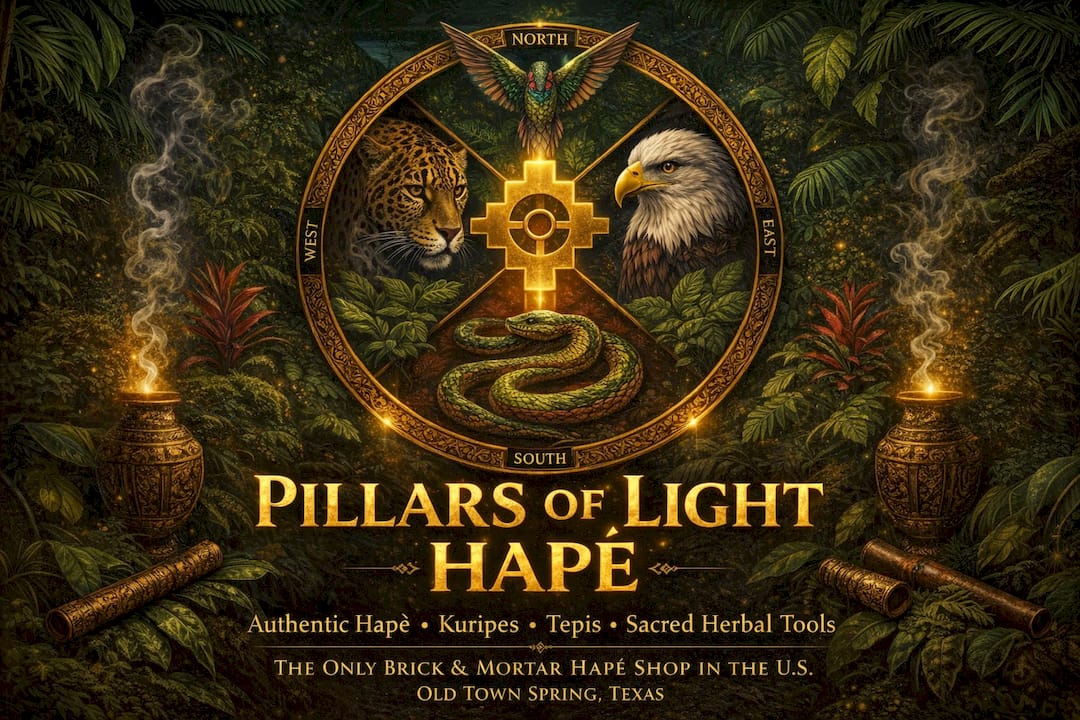
The knowledge that Indigenous elders carry is living wisdom, not museum history. At Pillars of Light hap'e, based in Old Town Spring, Texas, every product reflects a commitment to honoring that wisdom with integrity. From ethically sourced ceremonial items to Amazonian master plants sourced with respect for the traditions that gave them meaning, Pillars of Light hap'e exists to connect you to these traditions authentically. Explore the full collection and carry the spirit of ancestral healing forward.