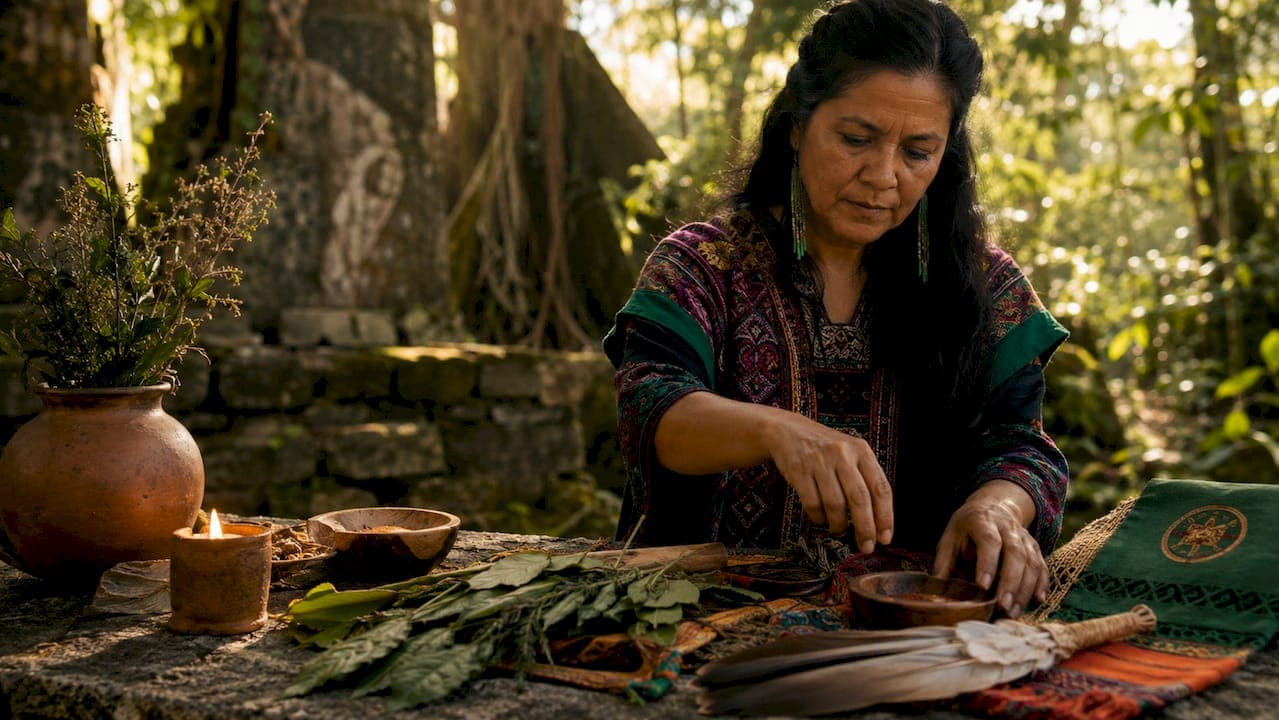
Plant medicine ceremonies are sacred rituals involving specific plants and cultural practices designed to promote healing and spiritual insight. The most recognized plant medicine ceremony types include Ayahuasca, Peyote, San Pedro, Psilocybin, and Iboga traditions, each rooted in distinct indigenous lineages with unique structures, durations, and therapeutic outcomes. Understanding these differences is the first step toward choosing a ceremony that matches your readiness, goals, and values. Pillars of Light hap'e approaches each of these traditions with deep respect for the ancestral wisdom plants that anchor them.
Plant medicine ceremony types: what you need to know
Ceremony durations vary widely across traditions. Ayahuasca ceremonies typically last 4–6 hours and occur at night. Peyote ceremonies run 12–14 hours through the night. San Pedro ceremonies often unfold during the day to connect participants with the natural world. That range matters because it shapes everything from physical preparation to emotional readiness.
Each tradition also carries its own ritual structure, facilitator role, and cultural protocol. Treating them as interchangeable misses the point entirely. The plant, the lineage, and the container work together.

1. Ayahuasca ceremonies
Ayahuasca is the most widely studied of all plant medicine ceremonies. It originates from the Amazon Basin, where indigenous peoples have used the brew for centuries to access spiritual realms and heal emotional wounds. The ceremony typically runs 4–6 hours at night, led by a trained shaman or curandero.
Key features of Ayahuasca ceremonies:
- Setting: Maloca (ceremonial hut) or outdoor jungle space, often with low lighting
- Facilitator: Shaman trained in icaros, the sacred healing songs used to guide the experience
- Duration: 4–6 hours, nighttime
- Effects: Deep emotional release, visionary states, confrontation of unresolved trauma
- Safety note: Contraindicated with SSRIs and certain medications; medical screening required
91.7% of Ayahuasca retreat participants reported long-term spiritual and mental health benefits, with symptom reductions lasting up to 6 months when supported by integration. That figure reflects not just the plant's power but the ceremony's structure.
Pro Tip: Never attend an Ayahuasca ceremony without verifying the facilitator's lineage and training. The shaman's knowledge of icaros and energetic containment is as important as the brew itself.
2. Peyote ceremonies
Peyote ceremonies are rooted in the Native American Church and represent one of the most protected and culturally specific traditions in North America. The ceremony is an all-night gathering, running 12–14 hours, held inside a tipi around a central fire and altar.
Key features of Peyote ceremonies:
- Setting: Tipi with central fire, led by a Road Man (ceremonial leader)
- Facilitator: Road Man, supported by a Drum Chief and Cedar Chief
- Duration: 12–14 hours, overnight
- Effects: Heart-centered awareness, grounding, communal connection, prayer
- Cultural note: Participation is typically reserved for Native American Church members; outsiders should approach with humility and invitation only
Peyote ceremonies emphasize prayer, singing, and collective intention over individual visionary experience. The focus is relational and devotional rather than introspective in the way Ayahuasca tends to be.
3. San Pedro (Wachuma) ceremonies
San Pedro, also called Wachuma, comes from the Andean traditions of Peru, Bolivia, and Ecuador. Unlike Ayahuasca, this ceremony typically happens during the day, allowing participants to engage directly with the natural world around them.
Key features of San Pedro ceremonies:
- Setting: Outdoor Andean landscapes, gardens, or natural settings
- Facilitator: Curandero trained in Andean mesa traditions
- Duration: 8–12 hours, daytime
- Effects: Emotional openness, nature connection, gentle heart expansion, clarity
- Suitability: Often recommended for beginners due to its gradual, grounded quality
San Pedro is considered one of the most accessible plant medicine healing traditions for those new to ceremonial work. Its effects unfold slowly, giving participants time to process without being overwhelmed.
4. Psilocybin mushroom ceremonies
Psilocybin mushroom ceremonies draw from both ancient Mesoamerican traditions, particularly the Mazatec velada of Oaxaca, and modern neo-shamanic practices. Sessions typically run 4–6 hours and can be conducted in small groups or one-on-one settings.
Key features of Psilocybin ceremonies:
- Setting: Indoor ceremonial space, often with music, eye shades, and intention-setting rituals
- Facilitator: Trained guide, therapist, or traditional healer depending on context
- Duration: 4–6 hours
- Effects: Perceptual enhancement, introspection, emotional processing, mystical experiences
- Safety note: Legal status varies by jurisdiction; clinical settings offer the most structured support
Different sacred plants carry specialized traditional uses targeting specific emotional or systemic needs. Psilocybin is particularly associated with perceptual insight and the dissolution of rigid thought patterns.
5. Iboga ceremonies
Iboga ceremonies originate from the Bwiti tradition of Gabon and Cameroon in West Africa. They are the most physically and psychologically intense of all plant medicine ceremony types. A full Iboga initiation can last 24–36 hours and requires thorough medical screening beforehand.
Key features of Iboga ceremonies:
- Setting: Ceremonial space with Bwiti music, often with a trained Nganga (healer)
- Facilitator: Nganga or medically supervised guide
- Duration: 24–36 hours
- Effects: Deep psychological purging, confrontation of life narrative, physical catharsis
- Safety note: Cardiac screening is mandatory; Iboga carries real contraindications and requires medical supervision
Iboga is not a beginner ceremony. It is suited for those seeking profound psychological restructuring and who have already worked with gentler medicines. The experience demands full physical and mental preparation.
6. Hapé (Rapé) ceremonies
Hapé, also spelled Rapé, is a sacred Amazonian snuff made from powdered tobacco and medicinal plants. Unlike the longer ceremonies above, Hapé ceremonies can be brief and focused, making them accessible as standalone rituals or as preparatory tools within larger ceremonies. Pillars of Light hap'e carries 75+ varieties of Hapé, each with distinct energetic and medicinal properties.
Hapé is administered through a Kuripe (self-applicator) or Tepi (facilitator applicator) directly into the nostrils. The experience is immediate, grounding, and clarifying. Ceremonial tools like Kuripes and Tepis carry their own sacred purpose within the Amazonian tradition.
7. How ritual elements shape the experience
The ritual container is as important as the plant itself. Ritual context with facilitators, music, and meditation modulates psychological outcomes beyond pharmacological effects alone. That means the songs, the space, and the facilitator's lineage actively shape what participants experience and integrate.
- Facilitator lineage: A shaman trained in a living tradition brings cultural competency that a weekend-certified guide cannot replicate.
- Icaros and sacred music: These songs are not background ambiance. They direct the energetic flow of the ceremony and protect participants.
- Group size: Authentic small-group ceremonies with 2 to 7 participants allow the facilitator to maintain close energetic attention on each person.
- Set and setting: Your mindset before the ceremony and the physical environment together determine the quality of your experience more than dosage alone.
- Mapacho tobacco: Sacred tobacco used in Amazonian traditions to cleanse the space and participants before and during ceremony.
Pro Tip: Ask any facilitator directly about their lineage, training duration, and how they handle difficult experiences. A trustworthy guide answers these questions without defensiveness.
8. Benefits and challenges across ceremony types
The sacred plant medicine benefits documented across traditions include reductions in depression and anxiety, increased emotional openness, and lasting shifts in perspective. These are not temporary mood changes. When paired with integration, they become durable personality shifts.
Common benefits across traditions:
- Reduction in symptoms of depression, anxiety, and PTSD
- Increased sense of meaning and spiritual connection
- Emotional release and resolution of unprocessed grief
- Heightened empathy and relational awareness
- Renewed sense of purpose and clarity
Challenges are equally real:
- Physical purging, which is traditionally understood as la purga, a necessary spiritual and physical clearing, not a side effect
- Psychological intensity that can surface difficult memories or fears
- Emotional vulnerability in the days following ceremony
- The necessity of structured integration work to sustain gains
"Participants often mistakenly expect plant medicines to be shortcuts. Ongoing psychological engagement and integration are key to meaningful outcomes." The ceremony opens a door. Integration is the work of walking through it.
9. Choosing the right ceremony for your goals
Beginners benefit most from San Pedro or Psilocybin ceremonies. Both offer gradual, grounded experiences with lower physical intensity. Ayahuasca suits those ready for deep emotional excavation. Iboga is reserved for those with prior ceremonial experience and a specific need for profound psychological restructuring.
| Ceremony | Duration | Intensity | Best for |
|---|---|---|---|
| San Pedro | 8–12 hours | Moderate | Beginners, emotional openness |
| Psilocybin | 4–6 hours | Moderate | Introspection, first-timers |
| Ayahuasca | 4–6 hours | High | Deep healing, trauma work |
| Peyote | 12–14 hours | Moderate to high | Community, prayer, grounding |
| Iboga | 24–36 hours | Very high | Experienced seekers, addiction |
| Hapé | 15–30 minutes | Low to moderate | Grounding, ceremony preparation |
Pro Tip: Your first ceremony should not be your most intense one. Build experience gradually and honor your body's readiness before moving to longer, more demanding traditions.
Post-ceremony integration often determines whether psychological shifts become durable personality and behavioral changes. Neglecting integration after any ceremony type reduces lasting benefit significantly.
Key takeaways
Each plant medicine ceremony type carries a distinct cultural origin, duration, and therapeutic focus, making ceremony selection a matter of matching your readiness and goals to the right tradition.
| Point | Details |
|---|---|
| Ceremony duration varies widely | Ayahuasca runs 4–6 hours; Peyote runs 12–14 hours; Iboga can last 24–36 hours. |
| Facilitator lineage drives outcomes | The shaman's training and icaros use shape safety and psychological results more than dosage alone. |
| Purging is intentional, not incidental | La purga is a traditional spiritual clearing, not a side effect to be avoided. |
| Integration determines lasting benefit | Without structured post-ceremony work, psychological gains fade quickly. |
| Beginners should start gently | San Pedro and Psilocybin ceremonies offer the most accessible entry points into ceremonial work. |
What I've learned from years inside these traditions
The most common mistake I see is people choosing a ceremony based on intensity rather than alignment. Someone hears that Iboga "cured" addiction and books a ceremony without ever having sat with a plant before. That is not courage. It is impatience dressed up as readiness.
The ceremonies that changed me most were not the longest or the most dramatic. They were the ones where the facilitator knew exactly what they were doing, the container was clean, and I had done the preparation work honestly. The Amazonian healing traditions I respect most share one quality: they do not rush anything.
Honoring indigenous protocols is not optional etiquette. It is the mechanism by which these ceremonies work. When you strip the cultural container from the plant, you lose more than aesthetics. You lose the technology that makes it safe and effective.
My honest recommendation: approach every ceremony with more humility than you think you need, and less certainty about what you expect to receive. The plant will meet you where you are, not where you want to be.
— Manifest Light
Authentic ceremonial tools for your practice
Ceremony does not begin when the plant is consumed. It begins with the tools, the preparation, and the intention you bring to the space.
Pillars of Light hap'e offers 75+ varieties of traditional Amazonian Hapé, handcrafted Kuripes, Tepis, and master plant products sourced with full respect for indigenous traditions. Every item is chosen to support authentic ceremonial practice, not to replicate it cheaply. Whether you are preparing for your first ceremony or deepening an established practice, the right tools make the difference between a ritual and a ceremony. Explore the full range of Amazonian ceremonial tools at Pillars of Light hap'e and bring integrity to every session.
FAQ
What are the main plant medicine ceremony types?
The main types are Ayahuasca, Peyote, San Pedro (Wachuma), Psilocybin mushroom, Iboga, and Hapé ceremonies. Each carries a distinct cultural origin, duration, and therapeutic focus suited to different goals and levels of experience.
How long do plant medicine ceremonies last?
Duration varies by tradition. Ayahuasca and Psilocybin ceremonies run 4–6 hours, San Pedro lasts 8–12 hours, Peyote runs 12–14 hours, and Iboga ceremonies can extend 24–36 hours.
Which plant medicine ceremony is best for beginners?
San Pedro and Psilocybin ceremonies are the most accessible entry points. Both offer gradual, grounded experiences with moderate intensity compared to Ayahuasca or Iboga.
Why is integration important after a ceremony?
Integration determines whether the psychological shifts from a ceremony become lasting changes. Without structured post-ceremony work, gains from even the most powerful ceremonies tend to fade.
What role does the facilitator play in a plant medicine ceremony?
The facilitator's lineage, use of icaros, and ability to hold the ceremonial container are primary factors in participant safety and outcome quality, extending well beyond basic supervision.