
A Hapé shamanic breathwork session is defined as the deliberate combination of rhythmic conscious breathing with the sacred Amazonian medicine known as Hapé (also called Rapé) to produce deep healing, emotional release, and spiritual awakening. This practice draws on Amazonian healing traditions that Indigenous peoples have honored for generations. When you incorporate hapé shamanic breathwork session work into your wellness practice, you engage the Vagus Nerve and activate the Parasympathetic Nervous System, creating conditions for profound inner shift. Pillars of Light hap'e carries 75+ varieties of ethically sourced Hapé to support exactly this kind of ceremonial work.
How to incorporate a Hapé shamanic breathwork session into your practice
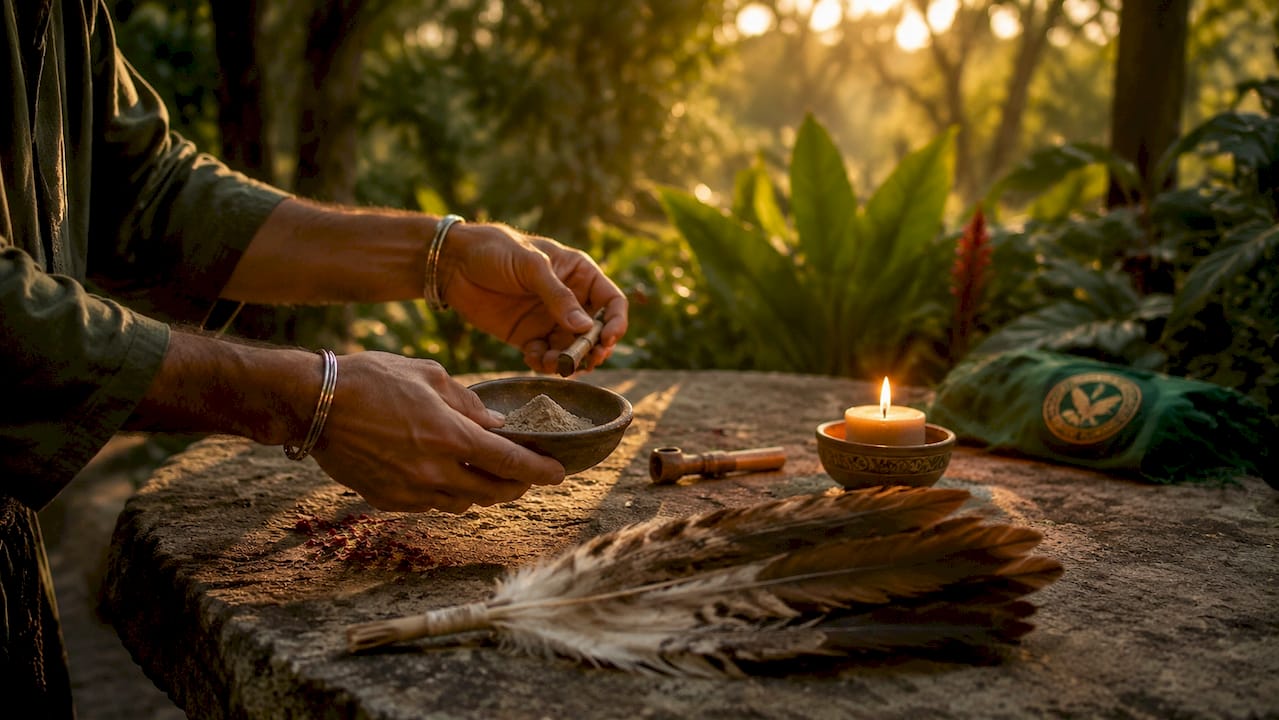
The most effective way to incorporate a Hapé shamanic breathwork session is to treat it as a structured ceremony, not a casual experiment. Shamanic breathwork engages the Vagus Nerve, activating the Parasympathetic Nervous System while Hapé grounds the practitioner and sharpens subtle perception. That combination creates a state of consciousness that neither practice produces alone. Facilitators describe this synergy as one of the most direct paths to the ritual of death and rebirth that defines genuine shamanic healing.
Understanding this structure before your first session changes everything. You stop approaching the experience as something that happens to you and start showing up as an active, intentional participant. That shift in mindset is what separates a meaningful ceremony from a disorienting afternoon.
What do you need before starting a session?
Every successful session begins with the right tools, environment, and mental preparation. Skipping any of these three elements creates gaps that breathwork and medicine cannot fill on their own.
Essential tools
- Tepi: A facilitator pipe used when another person administers Hapé to you through each nostril
- Kuripe: A self-applicator pipe shaped like a V, allowing solo administration
- Hapé blend: Choose a variety suited to your intention; Pillars of Light hap'e offers authentic ceremonial tools and 75+ blends sourced directly from Amazonian traditions
- Sound instruments: Drums, gongs, or singing bowls support healing integration during the session
- Bucket and tissues: Hapé often triggers purging or nasal clearing, which is a normal and healthy release
Setting up your environment
Your space carries as much weight as your tools. Choose a room where you will not be interrupted for at least three hours. Combined sessions typically run three hours, often structured from early afternoon into the evening, with live sound therapy woven throughout. Dim the lights, lay down a mat or blanket, and place your tools within easy reach. A clean, intentional space signals to your nervous system that what follows is sacred.
Mental preparation
Set a clear intention before you begin. Write it down in one sentence. Your intention acts as a compass when the breathwork moves energy and the medicine opens unfamiliar territory. Spend five to ten minutes in stillness before the session starts, simply breathing and arriving in your body.
Pro Tip: Avoid eating a heavy meal for at least two hours before your session. A light stomach supports the purging process and keeps your breathing unrestricted.
What are the core shamanic breathwork techniques?
Shamanic breathwork uses a specific rhythmic pattern called conscious connective circular breathing. This technique involves two short active inhales through an open mouth, first filling the belly, then expanding the chest, followed by a relaxed sighing exhale. There is no pause between the exhale and the next inhale. The breath becomes a continuous loop, which is where the word "circular" comes from. That unbroken rhythm is what drives the nervous system shift.
Here is the core sequence to practice:
- Open your mouth and relax your jaw completely
- First inhale: Draw breath into your belly, feeling your abdomen rise
- Second inhale: Without exhaling, pull a second breath into your chest, expanding your ribcage
- Exhale: Release both breaths together in a slow, open sigh through your mouth
- Repeat immediately: Begin the next belly inhale without pausing at the bottom of the exhale
- Sustain the rhythm for 20–40 minutes, adjusting pace if you feel lightheaded
Breath retention and toning are layered in as the session deepens. After a sustained period of circular breathing, a facilitator may guide you to hold your breath at the top of a full inhale for 30–60 seconds. During retention, some practitioners use toning, which means producing a sustained vocal sound like "Om" or a low hum, to direct energy through specific energy centers. This technique supports what practitioners describe as chakra alignment and emotional clearing.
Pro Tip: If tingling or numbness appears in your hands during circular breathing, slow your pace slightly. This is a normal physiological response to CO2 shifts, and a gentler rhythm resolves it within a few breaths.
Sound plays a structural role throughout the session. Drums anchor the rhythm of your breath. Gongs create waves of vibration that move stagnant energy. Singing bowls signal transitions between phases. You are not just listening to music. You are using sound as a tool to deepen the altered state that breathwork opens.
How do you incorporate Hapé medicine into the breathwork session?
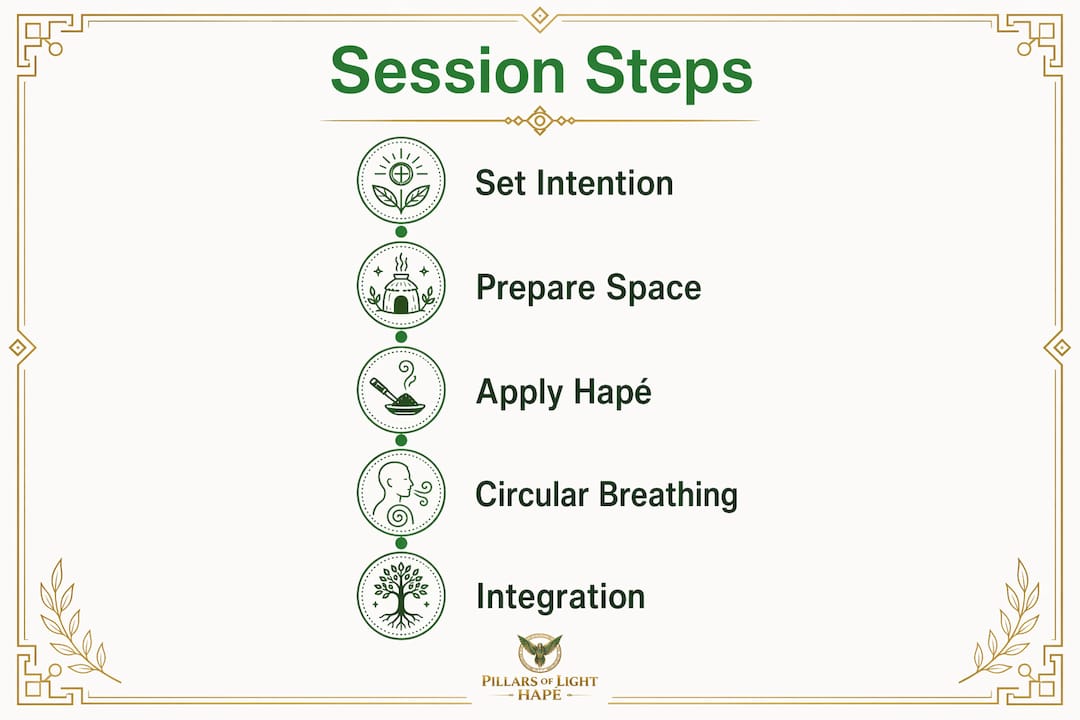
A guided Hapé ceremony follows a clear sequence of phases that promote presence and mindful medicine uptake. Rushing any phase reduces both safety and depth of experience. Follow this order:
- Grounding and centering: Spend 10–15 minutes in stillness and slow breathing before any medicine is introduced. This phase settles the nervous system and prepares your body to receive.
- Education and context: Learn or reflect on the origins of the Hapé blend you are using. Knowing which tribe prepared it and what plants it contains deepens your respect for the medicine and sharpens your intention.
- Setting intention: State your intention aloud or silently. This is the moment you ask the medicine for something specific, whether that is clarity, release, or healing in a particular area of your life.
- Receiving the medicine: Participants receive Hapé through a Tepi or Kuripe with upright posture, deep breathing, and full presence. Sit with your spine straight. Take a slow breath in before the medicine is administered, then breathe steadily through the sensation.
- Sitting with the medicine: After receiving Hapé in both nostrils, remain still and breathe. Resist the urge to move or speak. Let the medicine do its work for at least five to ten minutes before returning to circular breathwork.
- Integration and reflection: The integration phase involves reflection, sharing in circle, and grounding practices such as Reiki or aromatherapy to stabilize the nervous system after the ceremony.
The sequencing matters because Hapé grounds and sharpens perception while breathwork opens emotional and energetic channels. Introducing the medicine after the breathwork has already begun creates a compounding effect. The breath prepares the terrain and the medicine works within it.
- Drink water before and after, not during active breathwork
- Keep a journal nearby for the integration phase
- Allow at least 30 minutes of quiet after the session before driving or engaging in demanding tasks
- If practicing in a group, review the sacred circle guide for protocols on holding space for others
What are the most common mistakes in Hapé breathwork practice?
Improper breath pacing and skipping grounding phases are the two most frequent mistakes practitioners make. Both reduce healing depth and increase the risk of an overwhelming experience. Knowing what to watch for protects you and the people around you.
- Breathing too fast: Hyperventilating beyond your body's tolerance creates panic rather than release. Slow down before you speed up.
- Poor posture during Hapé intake: Slouching closes the nasal passages and reduces absorption. Sit upright with your chin slightly lowered.
- Resisting the purge: Nausea and nasal discharge are the medicine clearing your system. Fighting the release prolongs discomfort.
- Skipping integration: Ending the session abruptly and returning to daily activity without grounding leaves energy unresolved and can cause emotional instability for days afterward.
- Practicing alone without experience: Solo practice is possible with a Kuripe, but your first several sessions benefit enormously from an experienced facilitator or a trusted community.
"The medicine is a healing partner, not a standalone fix. Creating a safe, held container is the foundation of every authentic ceremony. Without that container, the experience has nowhere to land."
Ongoing practice deepens the benefits of each session. Practitioners who return to this work regularly report that each session builds on the last, clearing layers of emotional and energetic material over time. Connecting with a community, whether in person or through resources like plant spirit medicine guides, extends the healing beyond the ceremony itself.
Key takeaways
Incorporating Hapé shamanic breathwork requires structured ceremony, conscious circular breathing, proper Hapé administration, and grounded integration to produce lasting healing and spiritual growth.
| Point | Details |
|---|---|
| Structure the session as ceremony | Follow grounding, intention, medicine, breathwork, and integration phases in sequence. |
| Master circular breathing first | Practice the two-inhale, sigh-exhale pattern before adding Hapé to your session. |
| Use the right applicator | A Tepi requires a facilitator; a Kuripe allows respectful solo practice with experience. |
| Prioritize integration | Grounding practices after the session are what make healing effects last. |
| Seek experienced guidance early | Facilitator presence reduces common mistakes and deepens the quality of your experience. |
What I've learned from combining Hapé and breathwork
I have sat with this combination more times than I can count, and the thing that still surprises me is how different each session feels. The breathwork opens a door. The Hapé decides what walks through it. That relationship between the two is not something you can fully predict or control, and that is exactly the point.
What I have observed consistently is that the people who get the most from this practice are not the ones who push hardest. They are the ones who show up with the most honesty. They name a real intention. They sit with discomfort instead of fleeing it. They stay for the integration even when they want to leave.
Ceremony facilitators are right when they say the medicine is a partner, not a cure. I have seen people approach Hapé like a shortcut and walk away confused. I have seen others approach it with reverence and walk away changed. The medicine reflects what you bring to it.
The breathwork piece is often underestimated. People focus on the Hapé because it is tangible and exotic. But the circular breathing is doing profound work on its own. It is regulating your nervous system, moving stored emotion, and creating the receptive state that makes the medicine land deeply. Neither element is optional. Together, they are something rare.
— Manifest Light
Authentic Hapé and ceremonial tools for your practice
Pillars of Light hap'e carries everything you need to build a genuine shamanic breathwork practice rooted in Amazonian tradition.

From handcrafted Kuripes and Tepis to 75+ varieties of traditionally prepared Hapé, every product is ethically sourced and selected with respect for the Indigenous communities who created these medicines. Whether you are preparing for your first session or deepening an established practice, the right tools make a real difference. Visit Pillars of Light hap'e to browse authentic ceremonial tools and find the Hapé blend that matches your intention.
FAQ
What is a Hapé shamanic breathwork session?
A Hapé shamanic breathwork session combines rhythmic circular breathing with the sacred Amazonian medicine Hapé to produce healing, emotional release, and altered states of consciousness. Sessions typically run three hours and include sound therapy using drums, gongs, and singing bowls.
How do you use a Kuripe for solo Hapé practice?
A Kuripe is a V-shaped self-applicator pipe that directs Hapé into each nostril without a facilitator. Sit upright, set your intention, take a slow breath in, and administer the medicine to one nostril at a time while exhaling gently through your mouth.
What are the benefits of combining Hapé with breathwork?
Shamanic breathwork activates the Parasympathetic Nervous System through Vagus Nerve engagement, while Hapé grounds the practitioner and sharpens perception. Together, they create conditions for deep emotional release and spiritual awakening that neither practice achieves as effectively alone.
How long does it take to integrate after a session?
Integration varies by person, but most practitioners need at least 30 minutes of quiet grounding before resuming normal activity. Grounding practices like Reiki, aromatherapy, or journaling support nervous system stability and help the healing effects take root.
Is it safe to practice Hapé breathwork without a facilitator?
Beginners benefit significantly from experienced facilitator guidance, which reduces common mistakes in breath pacing and Hapé administration. Solo practice with a Kuripe is possible once you have several facilitated sessions as a foundation.