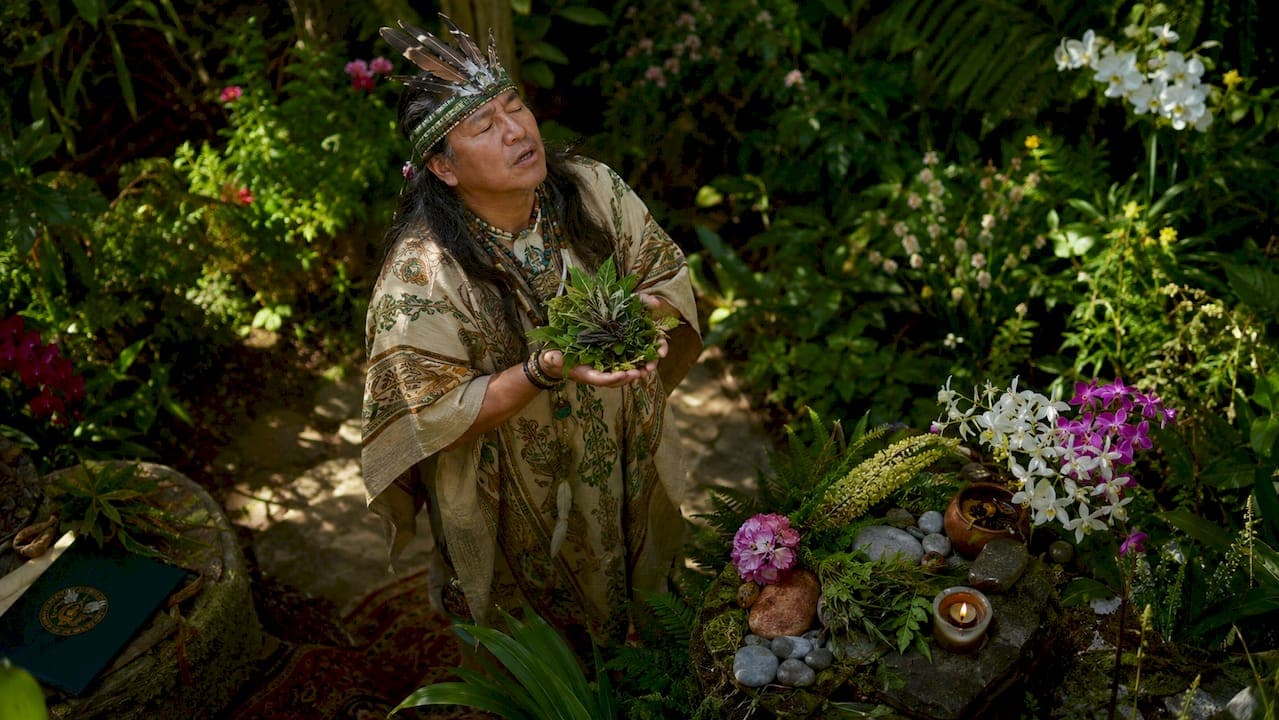
Vibration is the energetic foundation of every plant ceremony, the invisible force that activates healing, opens spiritual perception, and connects participants to the living intelligence of plants. Whether expressed through icaros, drums, rattles, or the resonant hum of a facilitator's voice, vibrational frequencies in nature carry intention directly into the body and spirit. Science now confirms what indigenous traditions have always known: plants respond to sound, and humans respond to the same frequencies that move through the plant world. Understanding the role of vibration in plant ceremony gives you a clearer map of what is actually happening when ceremony begins.
How does vibration affect plants during ceremony?
Vibration changes plants at a biological level. Research from MIT shows that sound vibration accelerates seed germination by 30–40% when frequencies mimic natural sounds like rainfall. That finding means plants are not passive recipients of sound. They are active listeners that adjust their growth in response to what they hear.
The specifics matter. Acoustic priming at 500 Hz and 100 dB improves a plant's stress tolerance by increasing lateral root density and strengthening physiological traits. Greater root density means the plant draws more nutrients and holds its ground under pressure. In a ceremonial context, this is significant. The plants used in traditional ceremonies, including master plants and Amazonian species, are often cultivated or harvested in environments rich with song, prayer, and intentional sound. Their vitality may be directly shaped by that vibrational exposure.
This is not metaphor. It is measurable biology. When a shaman sings over a plant before harvest, or when a ceremony space is filled with drumming and chanting, the plants in that space are physiologically responding. Their cellular activity shifts. Their energy output changes. The vibrational effects on plants observed in laboratory settings mirror what indigenous practitioners have described for generations.
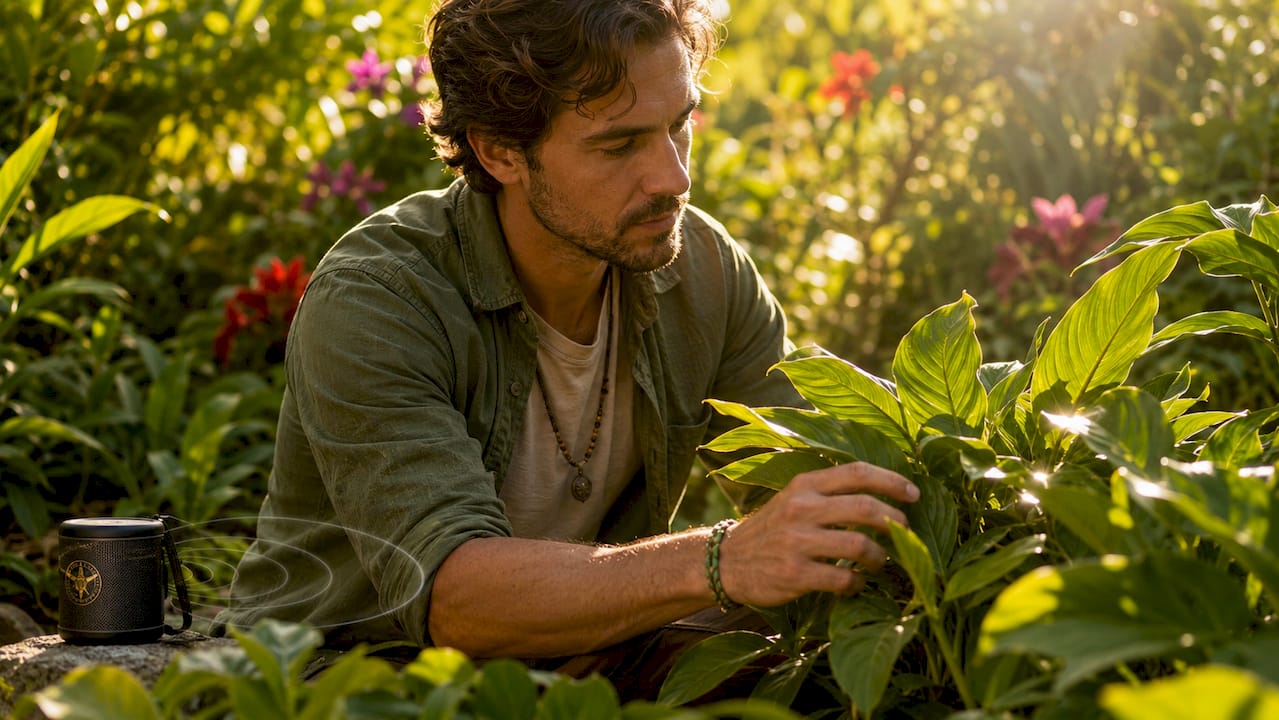
Pro Tip: If you grow or work with ceremonial plants at home, try singing or playing consistent tones near them. Frequencies in the 400–600 Hz range, similar to the human voice in song, align with documented acoustic stimulation research.
| Frequency parameter | Observed plant effect |
|---|---|
| 500 Hz, 100 dB acoustic stimulation | Increased lateral root density and stress tolerance |
| Sound mimicking rainfall | Germination speed increase of 30–40% |
| Intentional vocal toning | Reported increase in plant vitality and energy output |
| Rhythmic drumming near plants | Associated with ceremonial plant preparation across traditions |
What is the spiritual significance of vibration in plant ceremonies?
Vibration in plant ceremony is not decoration. It is the ceremony itself. Icaros, the sacred songs of Amazonian plant medicine traditions, function as living transmissions. They carry the consciousness of the plant directly into the participant's field. A facilitator who sings an icaro is not performing. They are channeling.
The Shipibo people of the Peruvian Amazon understand icaros as geometric patterns of energy made audible. Each song corresponds to a specific plant spirit and a specific healing intention. The melody, rhythm, and tonal quality each carry distinct information. This is why icaros require full practitioner attention to maintain their healing power. A distracted or disconnected facilitator weakens the transmission.
In Candomblé traditions of Brazil, plants infused with axé create a living bridge between the physical and spiritual realms. Axé is the vital energy that animates all living things, and it flows through both plant matter and sound. The vibrational sounds accompanying Candomblé rites carry ancestral memory. They do not just invoke the spiritual world. They embody it.
"Musical elements like icaros, drums, and rattles are essential for creating an energetic container that offers emotional safety in plant medicine ceremonies. The sound holds the space so the medicine can do its work."
Across traditions, the role of sound in rituals follows the same principle: vibration creates a container. Without that container, the ceremony has no walls. Participants can feel lost, frightened, or unable to integrate what arises. The music is the architecture of the healing space.
- Icaros encode plant spirit knowledge in melodic and rhythmic form
- Drums and rattles anchor participants to the physical body during intense states
- Vocal toning by facilitators signals safety and direction to the nervous system
- Ceremonial songs shift the energetic frequency of the entire space, not just individual participants
- Silence, used intentionally, is also a vibrational tool in many traditions
Pro Tip: When attending a plant ceremony for the first time, resist the urge to analyze the music intellectually. Let it move through you. Your body understands vibrational language before your mind does. You can read more about indigenous plant medicine traditions to prepare yourself culturally before attending.
How do facilitators use vibration to guide participants?
A skilled facilitator reads the room through vibration. They do not follow a fixed song list. They respond to what they sense in the energy of each participant, adjusting tempo, pitch, and intensity in real time. Facilitators modulate icaros dynamically, working with what practitioners describe as energy holograms, reading the field and reshaping it through sound.
This is a sophisticated skill. It requires years of training and deep relationship with the plant spirits. A facilitator who senses a participant moving into fear may shift to a grounding, lower-toned icaro. One who senses stagnation may introduce a faster rhythm to move energy through the body. The vibrational intent behind icaros transcends language. The body and spirit respond to the vibration itself, not the words.
Practical tools facilitators use include:
- Icaros: Melodic songs specific to plant spirits and healing intentions
- Drums: Rhythmic pulse that regulates heartbeat and grounds participants in the body
- Rattles: High-frequency percussion that clears stagnant energy and marks transitions
- Vocalizations: Whistling, humming, and breath sounds that target specific energy centers
- Silence: Strategic pauses that allow integration and signal shifts in ceremony phase
Pro Tip: Pay attention to how your body responds to different instruments during ceremony. Noticing which sounds calm you and which ones move energy helps you communicate with your facilitator about what you need. Learn more about ceremonial tools and their purposes before your ceremony.
What role does vibration play in participant healing?
Vibration reaches the participant's nervous system before it reaches their conscious mind. Rhythmic and melodic structures regulate nervous system states, shifting participants from sympathetic activation (fight or flight) into parasympathetic rest. That shift is what makes deep emotional processing possible. You cannot release what you cannot feel, and you cannot feel safely without a regulated nervous system.
Participants in plant ceremonies frequently describe vibration as something they feel moving through the body, not just hear with the ears. This is consistent with how sound physically works. Sound waves create pressure changes in tissue. At the right frequency and intensity, those pressure changes reach organs, bones, and the fluid systems of the body. The experience of vibration moving through the chest, spine, or skull during ceremony is not imagination. It is physics.
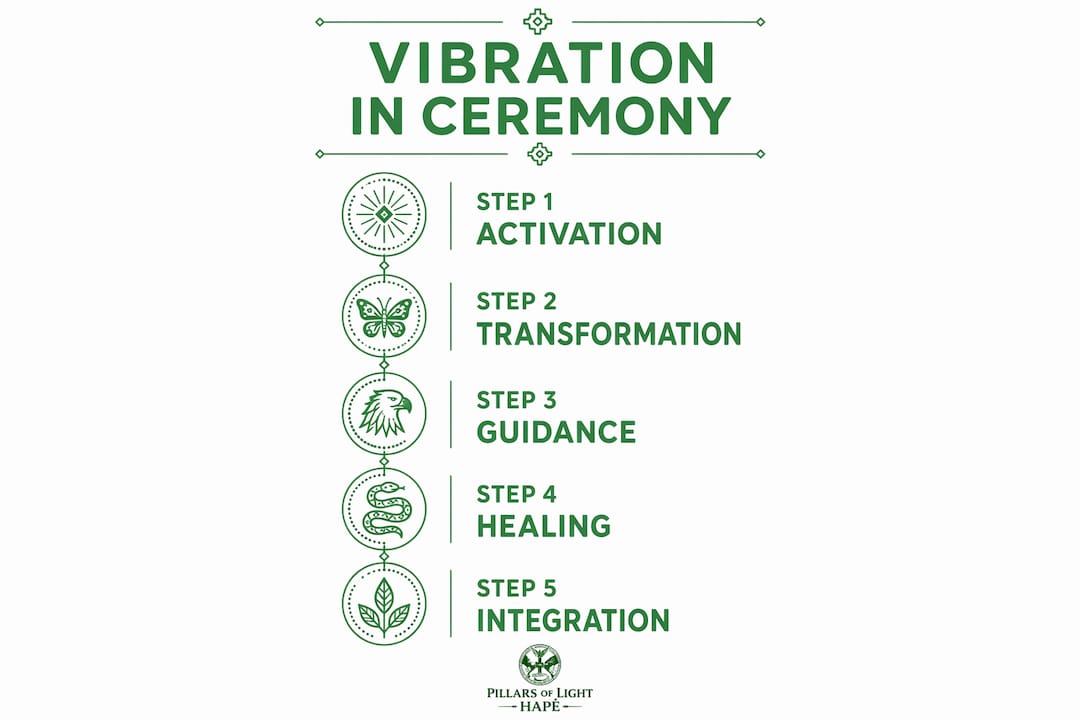
Healing through vibration in ceremony tends to follow a recognizable sequence:
- Grounding: Opening rhythms anchor participants in the body and signal the start of sacred space
- Opening: Melodic icaros begin to soften emotional defenses and invite the medicine to work
- Processing: Intense or complex songs accompany peak states, helping move difficult material through
- Integration: Slower, gentler tones help participants consolidate what has arisen
- Closing: Final songs seal the energetic container and return participants to ordinary awareness
Energy flow through the body during ceremony is also shaped by vibrational intent. Many traditions describe specific tones as corresponding to specific energy centers, what yogic traditions call chakras and what Amazonian traditions describe as energy bodies. When a facilitator directs a song toward a participant's chest or crown, they are working with this correspondence deliberately. The plant ceremony significance of these vibrational sequences is that they create a repeatable, structured path through non-ordinary states toward healing and insight.
Vibration as a living presence: my perspective
Vibration as a living presence: my perspective
What strikes me most, after years of working with plant medicine traditions and studying the science behind them, is how completely the two perspectives agree. Indigenous practitioners say vibration is alive. Biologists now show that plants respond to sound as if it carries information. Both are describing the same phenomenon from different angles.
The mistake I see most often is treating ceremony music as atmosphere. It is not background. It is the primary technology of the ceremony. When you understand that icaros are ancestral plant wisdom encoded in sound, and that your body responds to that encoding whether or not you understand the words, you stop being a passive observer. You become a participant in something genuinely alive.
My honest recommendation: approach vibrational elements in ceremony with the same respect you bring to the plants themselves. They are not separate. The song and the medicine are one transmission.
— Manifest Light
Ceremonial tools that carry the vibration forward
The vibration you experience in ceremony does not have to end when the songs stop. The tools you carry into your practice, and the quality of the medicine you work with, extend that energetic connection into daily life. Pillars of Light hap'e offers a carefully sourced collection of Amazonian ceremonial tools including Hapé blends, Kuripes, Tepis, and master plant products, each selected with respect for the indigenous traditions that gave them meaning. With 75+ varieties of Hapé ethically sourced and shipped from Old Town Spring, Texas, Pillars of Light hap'e supports practitioners who take vibrational ceremony seriously. The right tools, held with the right intention, keep the medicine alive between ceremonies.
Key takeaways
Vibration is the primary technology of plant ceremony, activating healing through sound, song, and intentional frequency across both biological and spiritual dimensions.
| Point | Details |
|---|---|
| Vibration affects plants biologically | Acoustic stimulation at 500 Hz increases root density and stress tolerance in measurable ways. |
| Icaros are living transmissions | Ceremonial songs carry plant consciousness and require full facilitator presence to maintain healing power. |
| Facilitators adjust vibration in real time | Skilled practitioners read participant energy and shift songs, tempo, and instruments to guide the ceremony. |
| Vibration regulates the nervous system | Rhythmic and melodic structures shift participants into parasympathetic states, enabling deep emotional processing. |
| Cultural traditions agree on vibration's role | From Shipibo icaros to Candomblé axé, ancestral traditions across cultures treat sound as a bridge between physical and spiritual healing. |
FAQ
What is the role of vibration in plant ceremony?
Vibration is the energetic mechanism that activates plant medicine's healing properties and guides participants through non-ordinary states. Icaros, drums, and rattles create a structured vibrational container that makes safe, deep healing possible.
Do plants actually respond to sound during ceremonies?
Yes. Research shows that sound accelerates germination by 30–40% and that acoustic priming at specific frequencies improves plant stress tolerance and root development. Plants are active responders to vibrational input.
What are icaros and why do they matter?
Icaros are sacred ceremonial songs from Amazonian plant medicine traditions that function as living transmissions of plant spirit energy. They shape the energetic field of the ceremony and regulate participants' nervous systems through melody and rhythm.
Can vibration affect healing even if I don't understand the words?
The body and spirit respond to vibrational intent independently of linguistic understanding. The energy and intention behind a song reach the participant directly, which is why icaros work across language barriers.
How do I prepare for the vibrational elements of a plant ceremony?
Study the cultural traditions behind the ceremony you are attending, learn about the sacred circle practices used to hold energetic safety, and approach the music with openness rather than analysis. Your body already knows how to receive it.