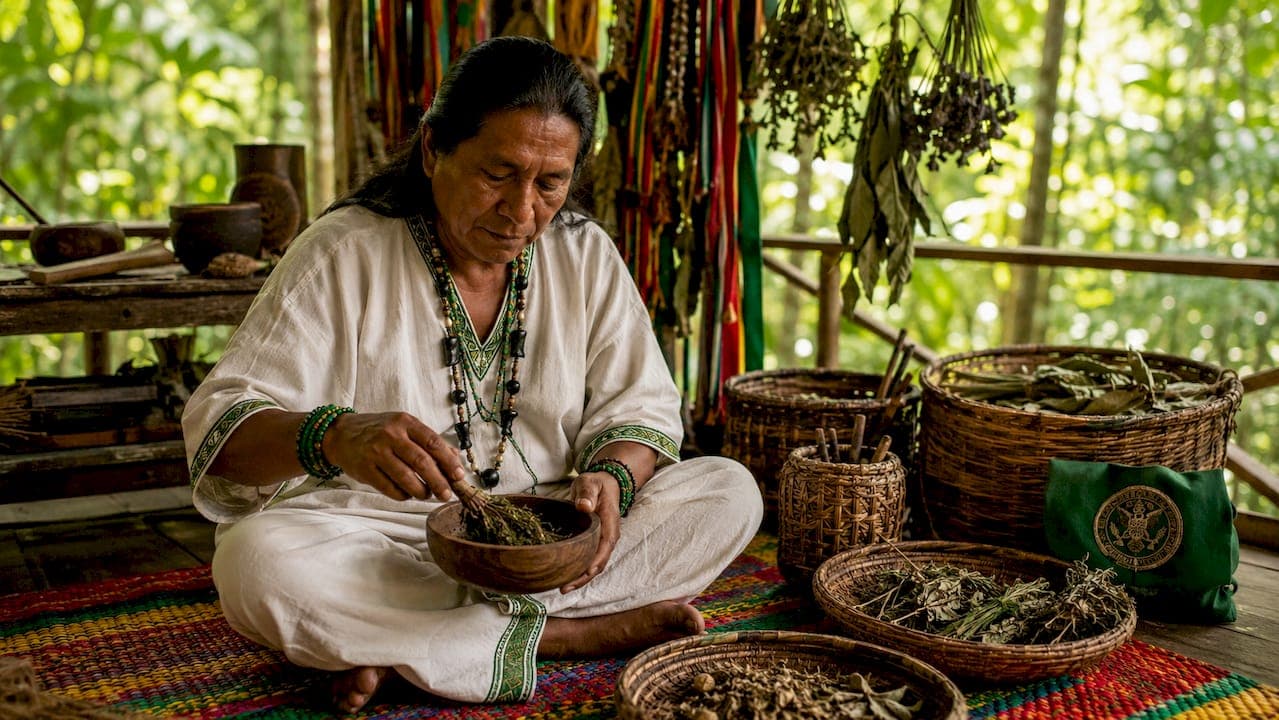
Cultural preservation medicine is defined as the systematic effort to protect, document, and revitalize traditional indigenous healing knowledge and practices before they disappear. The field sits at the intersection of public health, anthropology, and cultural identity. It draws on ethnobotanical research, community collaboration, and international frameworks like the UN Sustainable Development Goals to keep living healing traditions alive. For anyone researching what is cultural preservation medicine, the short answer is this: it is not archiving. It is active, community-driven protection of knowledge that shapes how entire peoples understand health, nature, and the human body.
What is cultural preservation medicine and how does it work?
Cultural preservation medicine is the systematic effort to protect, document, and revitalize traditional indigenous healing knowledge and practices. The standard academic term for this work is ethnomedicine preservation, though the two phrases describe the same field. Efforts range from multi-year documentation projects spanning decades to field-based film recordings that capture healers demonstrating plant preparation in real time.
The field addresses a real and urgent problem. When an elder healer dies without passing on their knowledge, that knowledge is gone permanently. No hospital database, no pharmaceutical catalog, and no government archive can recover it. Cultural preservation medicine treats that knowledge as irreplaceable and works to keep it living within the communities that created it.
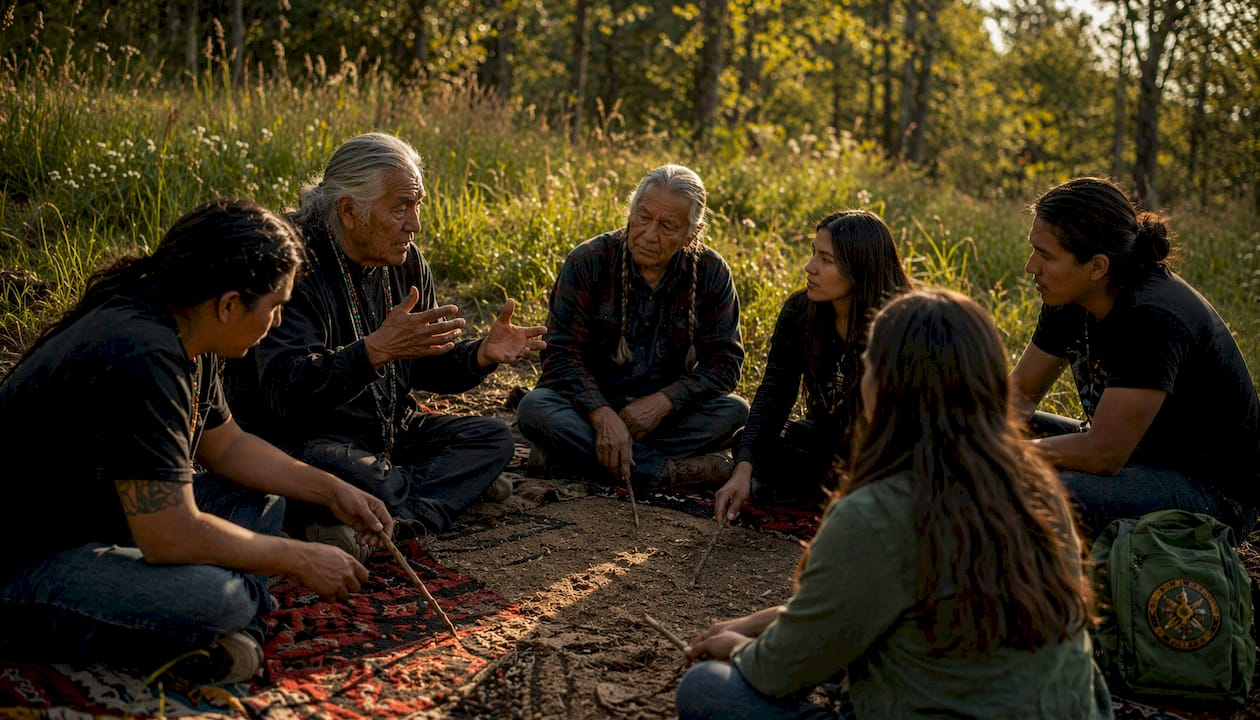
Preservation efforts also align with global health priorities. The UN Sustainable Development Goals include targets for good health, biodiversity, and reduced inequality. Cultural preservation medicine contributes to all three by keeping community-specific healing systems functional and respected.
What methods and practices are used to preserve traditional medicinal knowledge?
Participatory research methods form the backbone of effective preservation work. The most widely used approaches include:
- Ethnobotanical documentation: Researchers work alongside healers to catalog plants, preparation methods, and dosing knowledge in the healer's own terms.
- Semi-structured interviews: Open-ended conversations allow healers to share context, belief systems, and the social rules governing specific remedies.
- Participant observation: Researchers spend extended time within communities, attending ceremonies and healing sessions rather than extracting information from a distance.
- Oral transmission recording: Audio and video capture of knowledge passed through storytelling, song, and apprenticeship.
A 2022–2023 study in Assam, India focused specifically on oral knowledge transmission in Dakshin Majuli, finding that women played a central role in preserving and passing on ethnomedical knowledge within families. That finding matters because most formal preservation programs historically focused on male practitioners, missing a significant portion of the knowledge base.
Community-centered design separates effective preservation from extractive research. When outside researchers arrive, collect data, and leave, the community gains nothing. Authentic preservation builds local capacity, trains community members as documentarians, and returns all findings to the source community in usable formats.
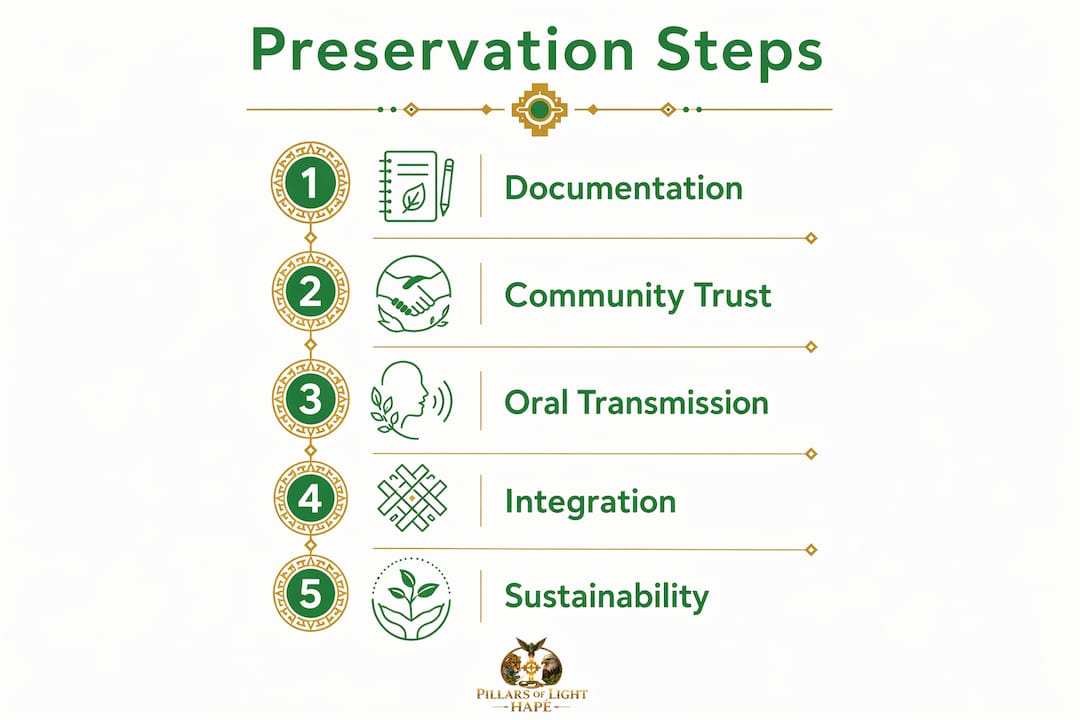
Pro Tip: Build trust before you build a catalog. Indigenous practitioners share knowledge within relationships, not transactions. Spending months in a community before asking a single formal question produces far richer and more accurate records than any structured survey.
Why is cultural preservation medicine important for health, identity, and sustainability?
The importance of cultural preservation extends well beyond healthcare. Traditional medicine is one of the primary ways a culture understands its relationship to the natural world. When that medicine disappears, a community loses not just remedies but a framework for meaning, identity, and ecological knowledge.
"Preservation efforts cannot be imposed from the outside. Indigenous community leadership, pride, visibility, and economic support are the conditions that make preservation succeed. Without those, even the best-funded documentation project produces a museum artifact, not a living tradition." — UNESCO expert Tim Curtis, via UN News
Community empowerment is a direct outcome of well-executed preservation. When healers receive formal recognition, economic compensation, and institutional respect, younger community members see traditional medicine as a viable and honorable path. That visibility is what keeps knowledge alive across generations.
Biodiversity conservation is another concrete benefit. Traditional medicine practices are deeply tied to specific plants, ecosystems, and land management techniques. Preserving the knowledge preserves the incentive to protect the land that produces the medicine. Cultural preservation medicine and rainforest conservation are not separate causes. They reinforce each other.
| Preservation outcome | Related UN Sustainable Development Goal |
|---|---|
| Community health improvement | SDG 3: Good Health and Well-Being |
| Biodiversity protection | SDG 15: Life on Land |
| Cultural identity and dignity | SDG 10: Reduced Inequalities |
| Intergenerational knowledge transfer | SDG 4: Quality Education |
| Economic viability for healers | SDG 8: Decent Work and Economic Growth |
Revitalized traditional medicine also complements modern healthcare. Healers who understand local plants, local diets, and local spiritual frameworks often address conditions that clinical medicine misses or misdiagnoses. Integration, not replacement, is the goal.
What challenges and nuances shape cultural preservation medicine?
The barriers to successful preservation are real and often underestimated. The most common obstacles include:
- Institutional disrespect: Modern medical systems frequently dismiss traditional healers as unscientific, which discourages communities from engaging with preservation programs that feel tied to that same establishment.
- Generational gaps: Younger community members who move to cities for economic opportunity often lose daily contact with traditional practices, creating knowledge gaps that widen with each decade.
- Static documentation risk: Written or filmed records capture a moment. They do not capture the living judgment a healer applies when a patient presents with a specific combination of symptoms and social circumstances.
- Commodification pressure: Outside commercial interest in traditional plants and remedies can strip knowledge from its cultural context and reduce sacred practices to marketable products.
Indigenous medicinal knowledge functions as a living library. Apprenticeship and daily community practice are the transmission mechanisms, not books or databases. When those living links break, no amount of documentation fully restores what was lost.
The metaphysical and ritual dimensions of traditional medicine are especially vulnerable to misrepresentation. Research on Amazonian and Omani healing traditions confirms that rituals and social context are not decorative additions to the medicine. They are part of how the medicine works within the community's understanding of health and illness.
Pro Tip: Never separate a remedy from its ritual. Documenting a plant preparation without documenting the ceremony, the relationships, and the beliefs surrounding it produces an incomplete and potentially misleading record.
How is cultural preservation medicine applied in real-world contexts?
Successful models share a common structure: they bring traditional medicine practitioners, public health officials, community leaders, and local residents into the same planning process. No single group holds authority over the others.
A 2025 community health promotion model tested in Isan, Thailand demonstrated measurable improvements in community health outcomes and intergenerational learning when traditional medicine practitioners were integrated into public health programs as equal partners. The model aligned directly with UN Sustainable Development Goals and produced stronger community cohesion as a secondary benefit.
The concept of epistemic bridges offers a practical framework for integration. Epistemic bridges map and validate traditional medical concepts in terms that modern health systems can recognize, without erasing the original meaning. This approach is central to integrating traditional medicine into Universal Health Coverage frameworks.
| Region | Preservation model | Community impact |
|---|---|---|
| Isan, Thailand | Collaborative public health integration | Improved health outcomes, intergenerational learning |
| Assam, India | Ethnobotanical field study with oral transmission focus | Women's knowledge documented, gaps identified |
| Oman | Ritual and metaphysical dimension research | Frankincense healing context preserved and validated |
| Amazon Basin | Apprenticeship and living transmission programs | Active healer networks maintained across generations |
The Amazonian context is particularly relevant for understanding cultural heritage in healthcare. Amazonian healing traditions integrate plant knowledge, ceremony, and ecological relationship in ways that cannot be separated without losing the core of what makes the medicine effective. Preservation programs in this region prioritize maintaining active healer networks over producing written catalogs.
Economic sustainability is the factor most often overlooked in preservation planning. Communities maintain living traditions when those traditions provide real economic value. Programs that create pathways for healers to earn income through recognized practice, education, or cultural tourism keep traditional medicine relevant to younger generations who face real financial pressures.
Key Takeaways
Cultural preservation medicine succeeds only when indigenous communities lead the process, control the outcomes, and receive direct economic and social benefit from their participation.
| Point | Details |
|---|---|
| Core definition | Cultural preservation medicine protects, documents, and revitalizes indigenous healing knowledge as a living practice. |
| Methods that work | Ethnobotanical documentation, semi-structured interviews, and participant observation produce the most complete records. |
| Why it matters | Preservation supports cultural identity, biodiversity, and community health simultaneously. |
| Biggest risk | Static documentation without living transmission produces archives, not active healing traditions. |
| Integration model | Epistemic bridges allow traditional healers and modern health systems to collaborate without erasing indigenous knowledge. |
Why I think cultural preservation medicine is more urgent than most people realize
I have spent years working with Amazonian ceremonial traditions, and the pattern I see repeatedly is this: the communities doing the best preservation work are the ones who never called it preservation. They called it living. The moment a tradition gets labeled as something to be saved, it risks becoming a museum piece.
The real work is keeping traditional medicine economically viable and socially respected within its own community. That means paying healers fairly, giving them institutional recognition, and creating pathways for young people to apprentice without sacrificing their financial futures. Cultural preservation globally shows that the communities with the strongest traditions are the ones where healers hold genuine social authority.
The risk of cultural appropriation is real and worth naming directly. Outsiders who extract plant knowledge, ceremonial practices, or healing frameworks without community consent and reciprocity do not preserve anything. They accelerate the erosion. Respectful engagement means long-term relationship, not a single field visit or a product launch.
The opportunity here is genuine. Traditional medicine offers perspectives on health, ecology, and human community that modern systems desperately need. The path forward is partnership, not extraction.
— Manifest Light
Authentic ceremonial tools that honor living traditions
Pillars of Light hap'e carries over 75 varieties of traditionally sourced Hapé along with handcrafted Kuripes, Tepis, and master plant products, all ethically sourced from Amazonian indigenous communities.
Every item in the ceremonial items collection reflects a direct relationship with the indigenous practitioners who create and use these tools. Pillars of Light hap'e does not separate the product from the tradition. Purchasing from this collection supports the healers, the communities, and the living knowledge systems that cultural preservation medicine works to protect. Explore the full range at the Pillars of Light hap'e apothecary and find tools that carry real cultural meaning.
FAQ
What is cultural preservation medicine in simple terms?
Cultural preservation medicine is the organized effort to protect and keep alive the healing knowledge of indigenous communities. It combines documentation, community collaboration, and active practice to prevent traditional medical knowledge from disappearing.
How does cultural preservation medicine differ from ethnobotany?
Ethnobotany studies the relationship between plants and human cultures. Cultural preservation medicine uses ethnobotanical methods but goes further, focusing on maintaining living healing traditions within communities rather than producing academic plant catalogs.
Why is traditional medicine at risk of being lost?
Younger generations moving to urban areas, lack of economic incentives for healers, and disrespect from modern medical institutions all contribute to knowledge transmission gaps that widen with each generation.
Can traditional medicine be integrated into modern healthcare?
Epistemic bridges that map traditional medical concepts into frameworks modern health systems recognize allow meaningful integration without erasing indigenous knowledge, and this approach supports Universal Health Coverage goals.
What role does community leadership play in preservation?
Community leadership is the single most important factor in successful preservation. UNESCO expert Tim Curtis identifies community-led safeguarding, with dignity, visibility, and economic support, as the condition that separates living traditions from archived ones.