What Indigenous Amazonian traditions mean for Texas today
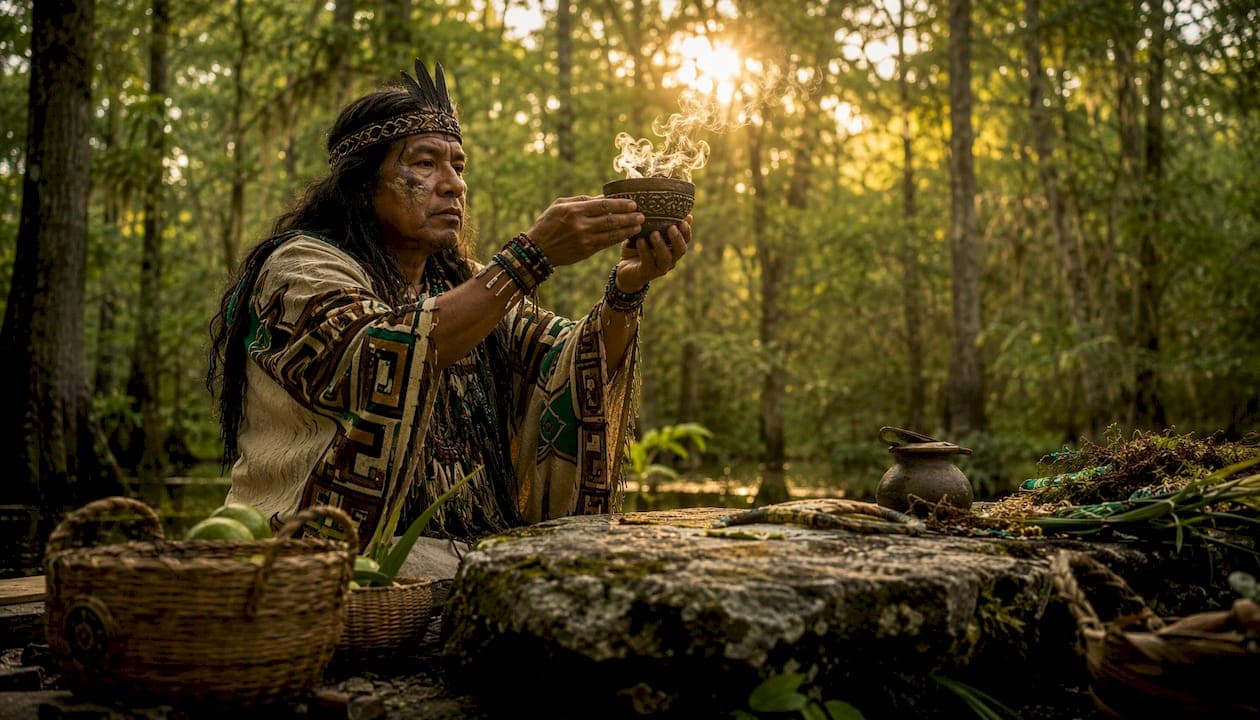
Indigenous Amazonian traditions are living practices, not museum artifacts. They include shamanism, sacred musical ceremonies, plant medicine rituals, and a cosmology that treats the land itself as a living ancestor. In Texas, these traditions connect directly to the spiritual lives of Indigenous communities who have never stopped practicing them.
Texas holds the fifth-largest Indigenous population in the country, with over 700,000 people identifying as Indigenous. Many carry ceremonial knowledge that parallels or directly descends from Amazonian roots, particularly through trade and migration routes along river systems linking South Texas to the broader Americas.
Key touchpoints for anyone exploring these traditions in Texas:
- Sacred sites: Barton Springs (Austin), Red Mountain/Naton Samox (Tonkawa ancestral land), and South Texas peyote gardens
- Living ceremonies: Midnight Waters at Brackenridge Park (San Antonio), pilgrimage to the four sacred springs, and peyote shrine rituals
- Core traditions: Shamanism, sacred flute and trumpet ceremonies, plant medicine, and ancestral landscape veneration
- Educational resources: The University of Texas's Archive of the Indigenous Languages of Latin America (AILLA), which preserves over 81 hours of audio, 16 hours of video, and 2,300 scanned pages documenting Amazonian cultures including shamanism
- Amazonian heritage preservation: Pillars of Light hap'e, based in Old Town Spring, Texas
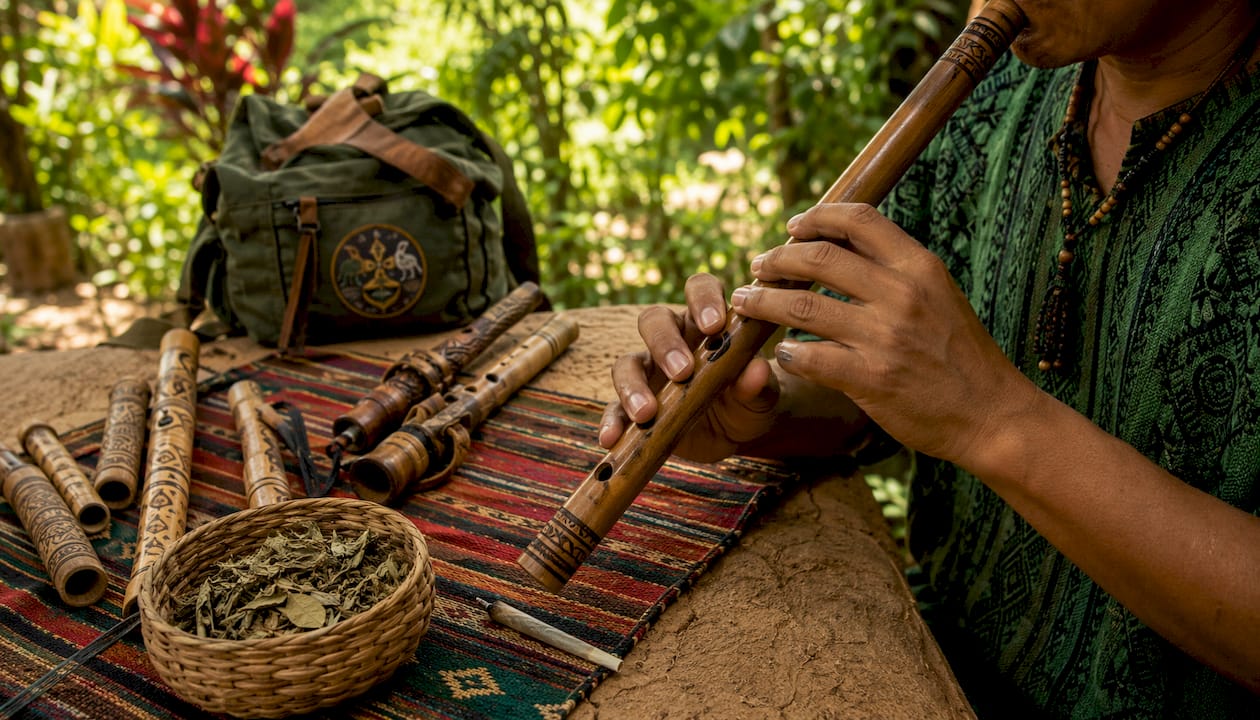
Amazonian ceremonial music carries particular weight. Sacred flutes and trumpets among the Baniwa and Desana peoples of the Upper Rio Negro transmit vital life-force across generations, and UNESCO recognized this knowledge as intangible cultural heritage in 2010. That same reverence for sound, place, and ancestral memory runs through Texas Indigenous ceremonies today.
Sacred sites in Texas are understood as living entities, not historic landmarks. The Tonkawa repurchased Red Mountain in December 2023 and held their first powwow there in over a century in April 2025. The Coahuiltecan/Pakahua Nation leads annual pilgrimages to four sacred springs connected to the Edwards Aquifer, with Barton Springs carrying an archaeological record stretching back 13,000 years.
Respectful engagement starts with permission. Peyote shrines in South Texas and ceremony sites like Brackenridge Park require community-led access. Attending open events, supporting Indigenous-led organizations, and learning through resources like AILLA are the right entry points. Showing up uninvited to a private ceremony is not.
For Texans wanting to go deeper, the Pillars of Light hap'e blog on Amazonian healing traditions offers grounded, respectful context on how these practices reach us today.
Pillars of Light hap'e brings Amazonian ceremony to Texas with integrity
If you are ready to engage with these traditions through authentic tools, Pillars of Light hap'e offers something rare: a Texas-based apothecary with over 75 varieties of ethically sourced Hapé (Rapé), handcrafted Kuripes, Tepis, and master plant products—all shipped from Old Town Spring.
Every product reflects a commitment to cultural preservation and rainforest support. The team also offers spiritual consultations and ceremony guidance, so you are never left to figure it out alone. Browse the full ceremonial items collection or read their guide on sacred Amazonian plants to find where to begin.
Key Takeaways
Indigenous Amazonian traditions are actively practiced in Texas through living ceremonies, sacred sites, and community-led preservation efforts that connect ancestral knowledge to the present.
| Point | Details |
|---|---|
| Texas Indigenous population | Texas has one of the largest Indigenous populations in the U.S., reflecting a vibrant and diverse community. |
| Living sacred sites | Barton Springs, Red Mountain, and Brackenridge Park host active Indigenous ceremonies, not just historical memory. |
| AILLA archive | The University of Texas's AILLA holds extensive audio and textual archives documenting Amazonian shamanism and culture. |
| Respectful engagement | Permission and community-led access are required before attending ceremonies at sacred sites. |
| Pillars of Light hap'e | Old Town Spring-based apothecary offering a wide variety of Hapé and ceremonial tools with ethical sourcing and cultural education. |