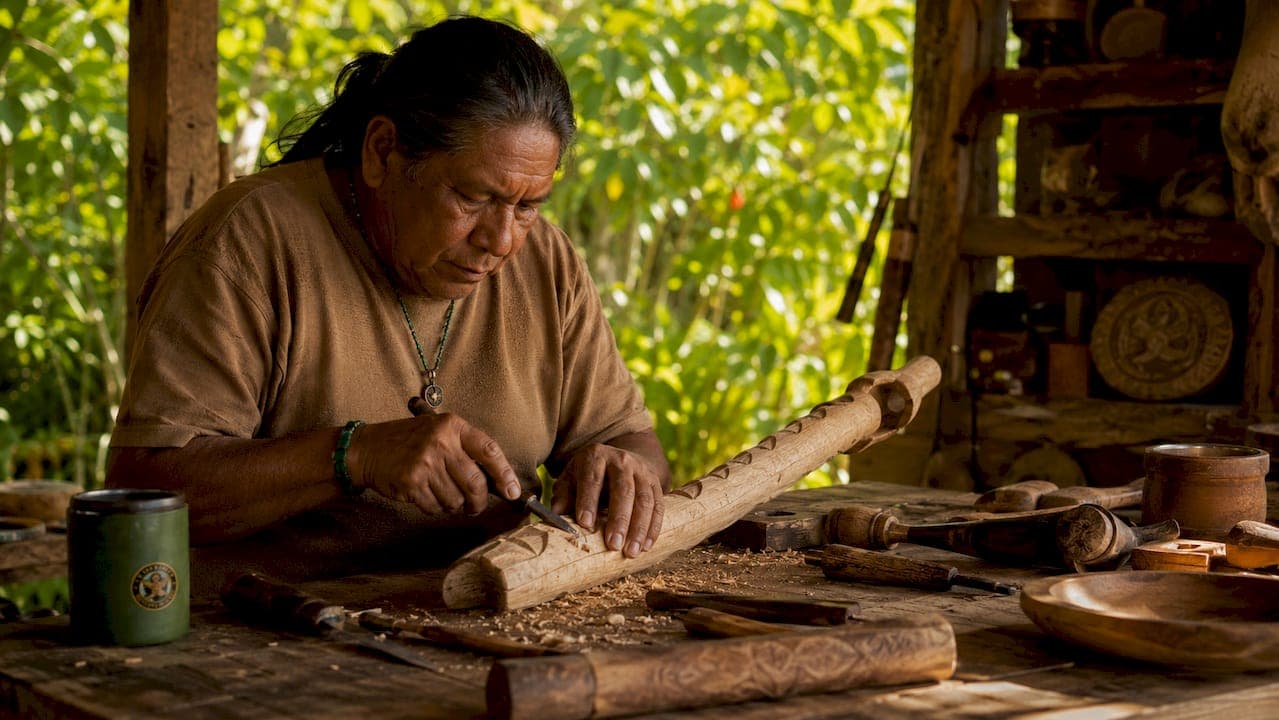
Handcrafted ceremonial tools are defined as ritual instruments made by skilled artisans using traditional methods, natural materials, and intentional spiritual practice. Understanding why ceremonial tools are handcrafted requires looking beyond aesthetics. These objects carry cultural memory, spiritual energy, and functional precision that factory production cannot replicate. Some ceremonial tool projects require over 300 hours of specialized labor. That number tells you everything about the depth of commitment embedded in each piece. From Amazonian Kuripes to Himalayan bells, handmade ritual instruments exist at the intersection of culture, craft, and devotion.
Why ceremonial tools are handcrafted: preserving cultural and spiritual authenticity
Traditional craftsmanship preserves ritual accuracy in ways that machine production simply cannot. Handcrafted tools maintain precise traditional measurements and material balances necessary for authentic sound resonance and symbolic integrity. A Nepalese bell cast with the wrong alloy ratio produces a tone that falls outside the frequency range used in centuries of Buddhist practice. That deviation is not a minor flaw. It breaks the ritual.
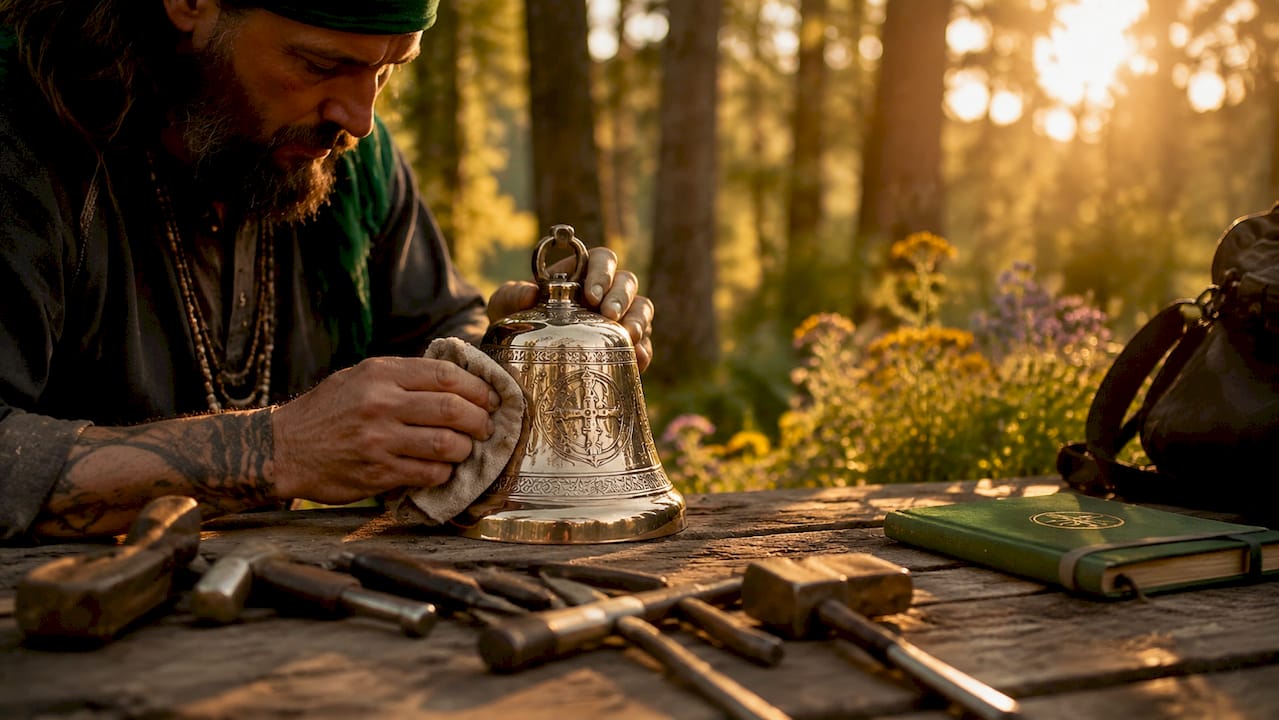
Cultural institutions and artisan communities around the world treat these skills as living heritage. Igbo beadwork in West Africa follows color sequences tied to specific ceremonies and social roles. Andean weavers encode cosmological meaning into textile patterns passed down through oral instruction. The knowledge lives in the hands of the maker, not in a machine setting or a product template. When that knowledge disappears, the ritual loses its anchor.
Factory-made ceremonial items often replicate the surface appearance of traditional tools without the underlying logic. A mass-produced incense burner may look similar to a hand-thrown clay vessel, but it lacks the specific proportions that control airflow and smoke direction during ceremony. The difference matters to practitioners who rely on these tools to structure sacred space.
- Material sourcing: Artisans select wood, metal, bone, and clay based on regional tradition and spiritual symbolism, not cost efficiency.
- Symbolic geometry: Proportions, engravings, and decorative elements follow cultural codes that carry meaning within specific ritual contexts.
- Sound calibration: Bells, rattles, and percussion tools are tuned by hand to match frequencies used in traditional healing and prayer.
- Generational transmission: Techniques pass from elder to apprentice through direct practice, preserving nuance that written instructions cannot capture.
Pro Tip: When selecting a handmade ritual instrument, ask the seller about the artisan's cultural background and training lineage. Provenance matters as much as appearance.
How does spiritual intention shape a handcrafted ceremonial tool?
The artisan's mindful state during creation transforms an object into a spiritual ally that amplifies the emotional and spiritual intensity of rituals. This is the core claim behind what practitioners call "intention-infusion." The maker's devotion, patience, and focused awareness transfer into the object during the crafting process. That transfer is not metaphorical for most traditions. It is the point of the work.
Artisans in many traditions work in quiet, serene environments to maintain purity of intention throughout creation. A Shipibo carver shaping a Kuripe may fast, pray, or observe silence during the process. These practices are not ceremonial theater. They reflect a belief that the maker's inner state becomes part of the object's spiritual character.
"Consecration acts transform a physical object into a spiritual ally. Imperfections left by the human hand are not flaws. They are blessings, signs that a living person poured their care into the work." — Sacred Art and Ritual
The small irregularities visible in handmade tools carry meaning. A slight asymmetry in a carved handle or a variation in glaze on a clay vessel signals human presence. That presence is what practitioners seek when they choose handmade over machine-made. The tool becomes a record of the maker's devotion, and that record activates during ritual use.
Pro Tip: Before using a new handcrafted ceremonial tool, take time to sit with it quietly. Hold it, breathe with it, and set your intention. This practice aligns your energy with the maker's original devotion.
What materials make handcrafted ceremonial instruments last for generations?
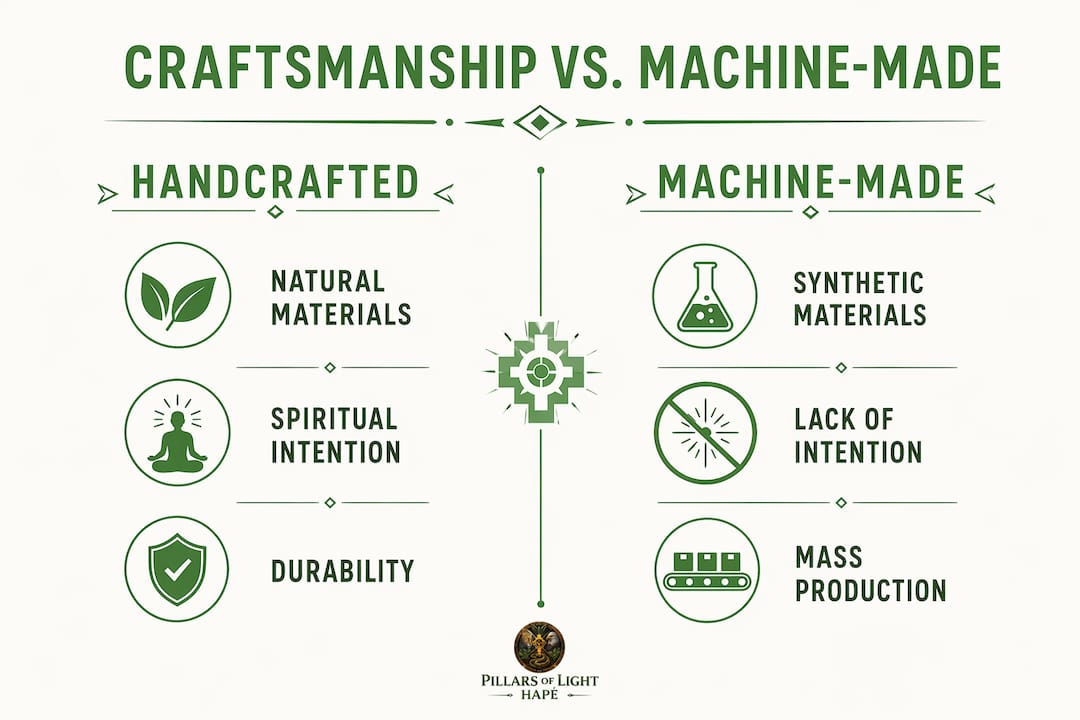
Handmade ceremonial tools are engineered for long-term durability and generational transfer, unlike disposable mass-produced alternatives. The choice of material is never arbitrary. Artisans select substances that carry both physical resilience and cultural symbolism. Wood from specific trees, metals with traditional alloy compositions, and clay from sacred sites all serve dual purposes: they last, and they mean something.
Traditional metallurgy in Himalayan bell-making uses natural materials and precise alloy compositions to achieve both durability and the specific tonal qualities required for ritual use. The ratio of copper to tin in a Tibetan singing bowl affects its resonant frequency. Get that ratio wrong, and the bowl produces a sound that practitioners recognize as spiritually inert. Get it right, and the bowl can outlast several human lifetimes.
| Feature | Handcrafted ceremonial tools | Mass-produced alternatives |
|---|---|---|
| Material selection | Natural, culturally specific, and sourced with intention | Standardized, cost-driven, often synthetic |
| Durability | Built for generational use and heirloom transfer | Designed for short-term use |
| Sound quality | Hand-tuned to traditional frequency ranges | Inconsistent, not calibrated for ritual use |
| Symbolic integrity | Proportions and markings follow cultural codes | Surface decoration only, no ritual logic |
| Spiritual character | Carries maker's intention and devotional energy | No intentional energy embedded in production |
Ergonomic design in handcrafted tools also reflects long-term use. A hand-carved wooden Kuripe fits the curve of the hand because the maker shaped it while holding it. That tactile fit deepens the meditative quality of each use. Mass-produced versions are shaped by molds, not by hands, and the difference is felt immediately by experienced practitioners.
How do handcrafted tools improve your spiritual practice?
Hand tools provide superior tactile feedback that enhances connection to spiritual practice and supports a deeper meditative state. This is not a minor benefit. Tactile sensation is one of the primary ways the nervous system anchors attention during ritual. A smooth, warm wooden handle communicates presence in a way that cold plastic cannot. The body responds, and the mind follows.
Practitioners across traditions report that handmade tools help them enter focused states more reliably. The weight, texture, and temperature of a natural material object create a sensory signal that marks the transition from ordinary time into sacred time. That signal becomes more powerful with repeated use, as the tool accumulates personal ritual history.
Here are four ways handcrafted ceremonial tools actively improve your practice:
- Grounding through texture: Natural materials like bone, wood, and clay provide tactile anchors that help practitioners stay present during ceremony. The irregularities of a hand-carved surface give the fingers something real to feel.
- Sensory ritual cues: The weight and warmth of a handmade tool signal the body that ceremony has begun. This conditioned response deepens with each use, making the tool a reliable gateway into sacred focus.
- Cultural resonance: Using a tool made within a living tradition connects you to a lineage of practitioners. A handcrafted Kuripe shaped by Amazonian artisans carries the weight of that tradition into your hands.
- Longevity of relationship: Because handmade tools are built to last, you develop a long-term relationship with a single object. That continuity deepens the tool's personal and spiritual significance over time.
Incense burners, altar bells, prayer beads, and altarpieces all function more effectively when made by hand. The reason is consistent across cultures: the maker's care becomes part of the object's function. You can learn more about how specific sacred tools serve ritual purposes across different traditions.
Key Takeaways
Handcrafted ceremonial tools carry spiritual intention, cultural precision, and material durability that mass-produced items cannot replicate, making them the only authentic choice for serious ritual practice.
| Point | Details |
|---|---|
| Intention is embedded in creation | Artisans infuse devotional energy during crafting, transforming objects into spiritual allies. |
| Cultural accuracy requires handwork | Traditional measurements, alloy ratios, and symbolic geometry cannot be replicated by machines. |
| Natural materials ensure longevity | Wood, metal, bone, and clay selected by artisans outlast synthetic mass-produced alternatives. |
| Tactile feedback deepens practice | Hand-shaped tools provide sensory cues that anchor attention and support meditative focus. |
| Imperfections signal authenticity | Marks left by the human hand confirm spiritual presence and distinguish genuine tools from replicas. |
What I've learned from years with handcrafted ceremonial tools
The first time I held a hand-carved Kuripe, I noticed something I could not explain with function alone. The weight was right. The curve fit my palm without adjustment. There was a warmth to it that had nothing to do with temperature. I have since handled many mass-produced versions, and none of them carry that quality. The difference is not subtle once you know what to feel for.
What strikes me most is how handcrafted tools change the atmosphere of a ceremony before anything else happens. Setting a hand-thrown clay bowl on an altar shifts the energy of the space. Practitioners notice it. Guests notice it. The object communicates care, and care is contagious in sacred settings.
I also think the act of supporting artisans matters spiritually, not just ethically. When you purchase a tool made by a Shipibo carver or a Himalayan metalsmith, you participate in a chain of intention that stretches back through generations. That participation is itself a form of practice. You can explore the ceremonial tools and their sacred purposes that different traditions have relied on for centuries. The more I work with these objects, the more convinced I am that the maker's presence never fully leaves the work.
— Manifest Light
Authentic handcrafted ceremonial tools at Pillars of Light hap'e
Pillars of Light hap'e carries a curated selection of handcrafted ceremonial tools sourced directly from Amazonian artisans and Indigenous traditions. Every piece reflects the cultural precision and spiritual intention that defines genuine ritual instruments.

The collection includes hand-carved Kuripes, Tepis, and ceremonial items shaped by makers who work within living traditions. Each tool is ethically sourced, with direct support flowing back to the artisan communities and rainforest preservation efforts that sustain these crafts. Pillars of Light hap'e also carries 75+ varieties of Hapé, giving practitioners the full range of tools and medicines needed for authentic ceremony. Browse the Kuripes and Tepis collection to find a handmade instrument that fits your practice and honors the tradition behind it.
FAQ
Why are ceremonial tools handcrafted instead of machine-made?
Handcrafted ceremonial tools preserve the precise measurements, symbolic geometry, and spiritual intention that machine production cannot replicate. The artisan's devotional state during creation is considered part of the tool's spiritual function across many traditions.
What makes handmade ritual instruments more durable?
Artisans select natural materials like hardwood, metal alloys, bone, and clay based on both cultural tradition and physical resilience. These materials, chosen and worked by hand, produce tools built for generational use rather than short-term consumption.
How does a handcrafted tool improve meditation or ceremony?
The tactile feedback of a hand-shaped natural material object creates a sensory anchor that helps practitioners enter focused states more reliably. That grounding effect deepens with repeated use as the tool accumulates personal ritual history.
What is intention-infusion in ceremonial craftsmanship?
Intention-infusion is the process by which an artisan's mindful, devotional state during creation transfers spiritual energy into the object being made. The resulting tool is understood to amplify the emotional and spiritual intensity of rituals.
Are imperfections in handcrafted tools a problem?
Imperfections in handmade ceremonial tools are signs of authenticity, not defects. They confirm that a human being shaped the object with care, and many traditions regard these marks as blessings embedded in the work.