Finding a consistently authentic supplier of Amazonian ceremonial products with clear cultural sourcing and fast USA or international shipping is difficult. Many vendors restrict shipping, run out of stock, or charge higher prices due to handcrafted or small batch origins. This comparison details product variety, sourcing models, and delivery options so practitioners and spiritual seekers can choose a supplier that fits their practice.
Table of Contents
Pillars of Light Hapé
At a Glance
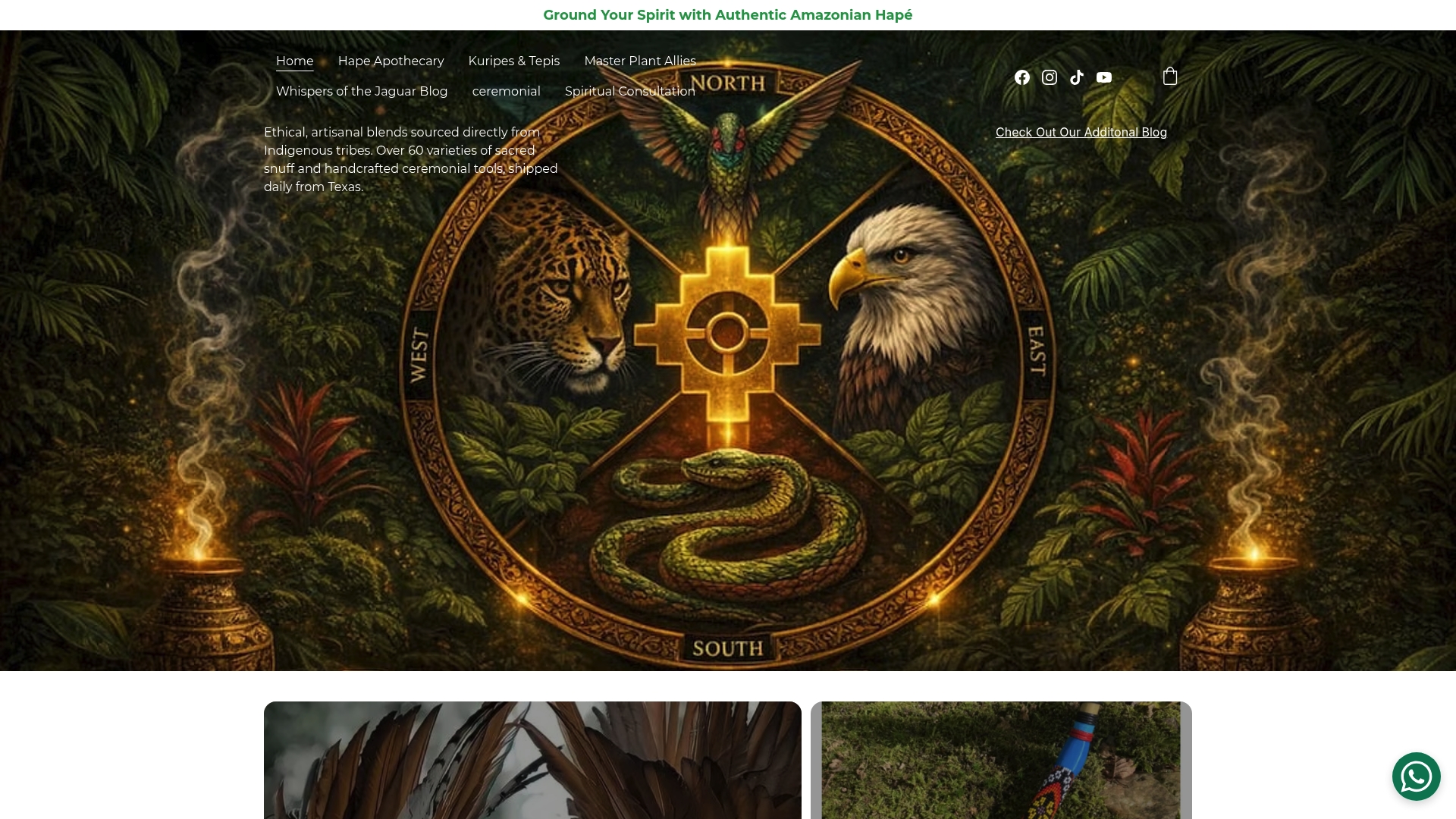
The vendor states it carries 75+ varieties of Hapé, covering ceremonial blends and master plant preparations. Pillars of Light hap'e operates an online apothecary and a retail storefront in Old Town Spring, Texas. The company advertises that 10% of proceeds are donated to rainforest and cultural preservation projects.
Core Features
The community platform combines a curated catalog of traditional Amazonian Hapé blends and master plant medicines with educational content and a newsletter for members. It lists handcrafted kuripes and tepi pipes alongside ceremonial tools and accessories for facilitator and self-application. Spiritual consultations and blog posts support members who want guided learning about practice and sourcing ethics.
Key Differentiator
Pillars of Light hap'e emphasizes sourcing directly from Amazonian tribes and links purchases to cultural and environmental support. That emphasis appears across the catalog, the storefront, and the community learning resources. The physical presence plus online community lets members practice ritual techniques with real tools and real-time guidance.
Pros
Members benefit from a deep, focused product selection that gathers sacred snuffs, ceremonial tools, and master plants in one place. The platform frames purchases with ethical sourcing and community support, which appeals to practitioners and ethnobotanists seeking culturally minded suppliers. Local pickup at the Old Town Spring location and online ordering make it practical for regional visitors and remote members. Educational posts and social channels expand practical learning beyond transactions.
Cons
- Limited information on specific ingredient formulations in product descriptions can frustrate members who need full botanical transparency.
Who It's For
This community fits spiritual seekers, wellness practitioners, and ethnobotanists who prioritize cultural respect and ecological stewardship. Members who want ceremonial tools, guided consultations, and ongoing educational content will find the platform useful. Shoppers seeking full ingredient breakdowns or lower price alternatives may need to look elsewhere.
Unique Value Proposition
A local storefront in Old Town Spring, Texas gives practitioners hands on access to ceremonial blends and tools while an online community supports ongoing learning and bookings for consultations. That local plus digital mix reduces logistics for facilitators who must inspect materials before ceremonies and who need immediate access to kuripes and tepi pipes. The platform frames purchases as both supply and cultural support, which helps practitioners maintain continuity between private sessions and community workshops.
Real World Use Case
A wellness practitioner orders ceremonial Hapé blends online and picks them up before a weekend group session. The practitioner uses a handcrafted kuripe and a tepi pipe while referencing blog material shared in the community. Clients leave with clearer ritual instructions and a path to book follow up spiritual consultations.
Website: https://pillarsoflighthape.com
Queen of the Forest
At a Glance
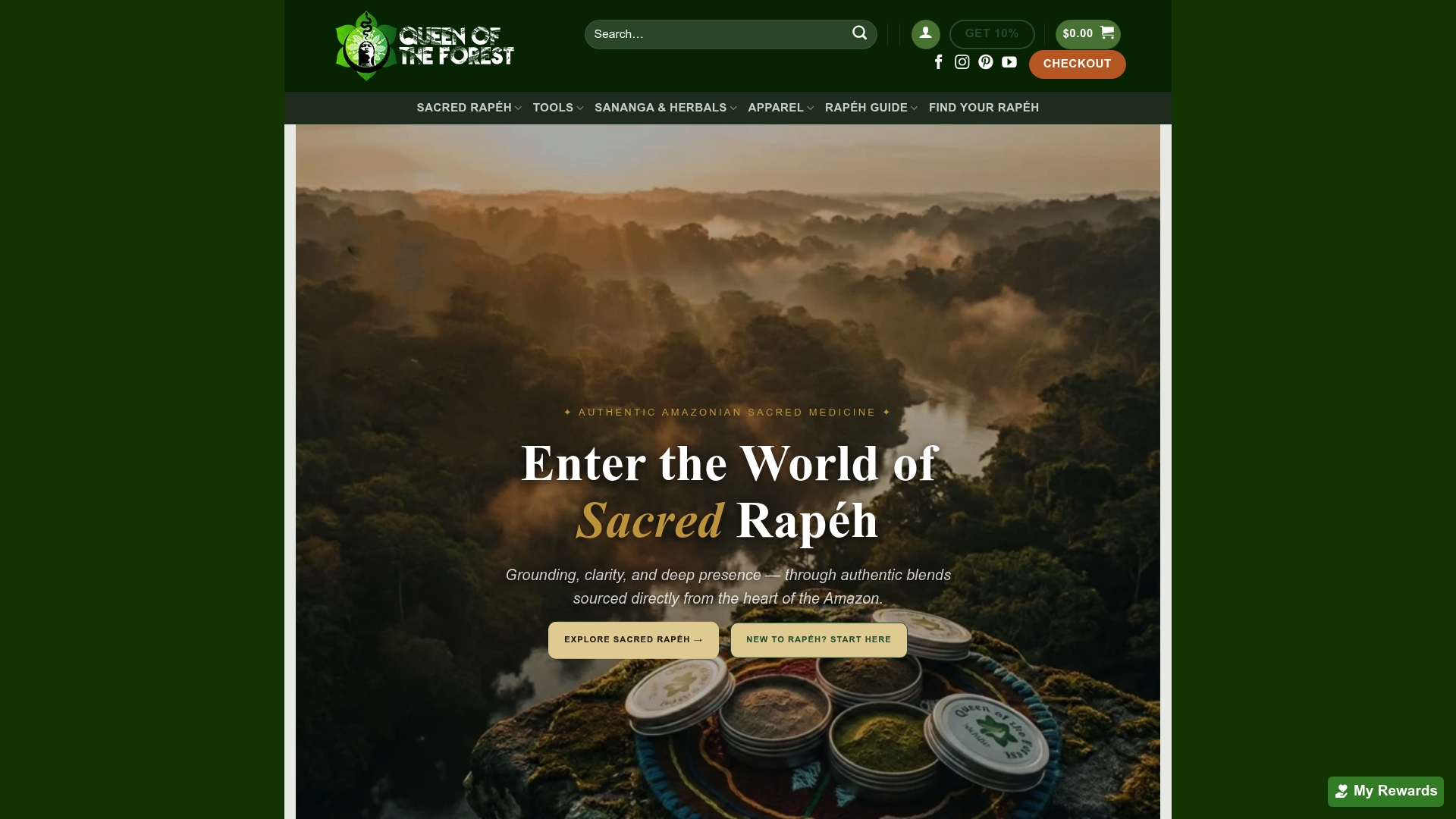
Small batch rainforest medicines arrive fresh from Indigenous artisans and form the core of Queen of the Forest's catalog. The shop pairs ceremonial blends such as Sananga and rapéh with handcrafted tools like kuripes and tepis. The site also publishes practical guides that explain traditional use and cultural context.
Core Features
Queen of the Forest sells small batch, artisanal medicines sourced directly from Amazonian communities, and it ships from the USA. The catalog includes Sananga eye drops, multiple rapéh blends, oils, herbs, apparel, and ceremonial tools crafted by Indigenous makers. Educational articles and guides accompany most offerings so buyers can learn usage, origin, and respectful protocols.
Key Differentiator
The brand foregrounds direct relationships with Indigenous artisans and a focus on cultural reverence, not mass distribution. That sourcing model keeps batches small and fresh and ties purchases to community support and fair trade practices. This focus serves a narrower, mission driven buyer than Pillars of Light hap'e, which operates a retail apothecary and emphasizes a broad on site selection.
Pros
Authenticity and freshness stand out because products arrive in small quantities sourced straight from Indigenous producers. Educational resources contextualize ceremonial items, helping newer buyers learn safe, respectful practices. The vendor emphasizes fair trade partnerships and community support, and the catalog spans medicines, tools, apparel, and accessories so customers can assemble full ceremonial kits.
Cons
-
International shipping is limited. Some customers outside shipping regions may face restrictions or delays.
-
Prices trend toward premium. Costs reflect small batches and handcrafted origins.
-
Availability varies. Traditional sourcing and small runs mean some items sell out quickly.
-
Beginner learning curve. Several products require careful study before safe, confident use.
When It May Not Fit
If you need fast, global delivery across multiple countries this store may not match your needs. If you want lower price points for mass-produced goods you will find this catalog pricey. If you prefer guaranteed stock for high volume work the small batch model will feel limiting.
Who It's For
Practitioners and spiritual seekers committed to respectful Amazonian traditions will find the selection aligned with their values. Buyers who prioritize direct artisan relationships and cultural preservation will value the sourcing model. The store also suits people who want curated educational material alongside their purchases.
Real World Use Case
A practitioner reads the site guides, then orders a small batch of Sananga and a handcrafted kuripe. The items arrive fresh, and the buyer follows the published instructions to prepare a focused ceremony. The process supports Indigenous makers and gives the practitioner cultural context for the medicines they use.
Pricing
Most items range from $37 to $1,899, with bundles that reduce per item cost for combined purchases. Shipping is described as fast and reliable, and free shipping thresholds apply to certain orders. Premium pricing reflects small batch sourcing and artisan labor.
Website: https://queenoftheforest.org
Queen of the Forest
At a Glance
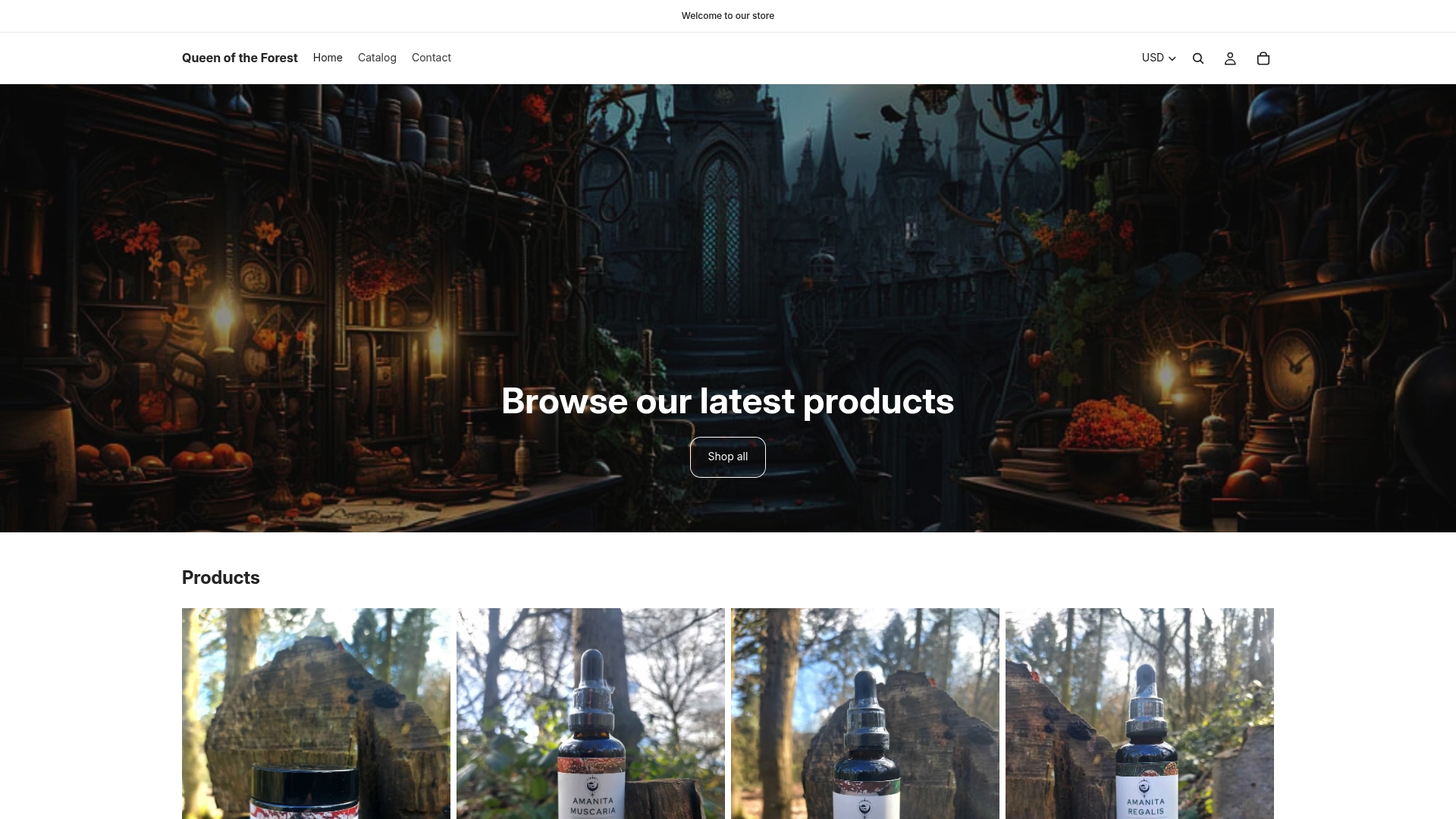
Stock lists Amanita muscaria, Amanita pantherina, and Regalis mushroom preparations alongside herbal elixirs and balms. The catalog emphasizes traditional use and cultural context for each item. Products ship internationally, with the site updated regularly to add new offerings.
Core Features
Queen of the Forest curates a tight selection of mushroom and herbal elixirs, balms, and traditional remedies that foreground historical and cultural notes alongside ingredient lists. The store highlights transparent sourcing and clear formulations so buyers can read where key botanicals come from and why they matter. An online checkout supports worldwide shipping and repeat product drops.
Key Differentiator
The shop pairs product listings with educational context that connects each remedy to folklore and traditional practice. That focus on cultural narrative and ingredient stories distinguishes it from broader wellness shops. This angle appeals to collectors and readers as much as to people seeking topical or ingestible remedies.
Pros
Specialized stock attracts herbal and mushroom enthusiasts who want rare or narrative-rich products. Product pages offer clear ingredient breakdowns and cultural background to help buyers decide. International shipping makes items accessible beyond the UK, and community touchpoints such as email updates and a WhatsApp group encourage deeper conversation. The company emphasizes sourced, high-quality ingredients at every listing.
Cons
- Some listings involve mushrooms with psychoactive or controlled associations, which may be illegal in certain countries.
- The product range stays narrow, focusing mainly on fungi-related remedies rather than broader herbal categories.
- Legal restrictions could prevent purchase or possession for customers in specific jurisdictions.
- No physical storefront is listed, so in-person consultation and sampling are not available.
When It May Not Fit
If you need a broad apothecary with many herbal categories, this shop may feel limited. If you live in jurisdictions with strict regulations on psychoactive fungi, you may be unable to order. If you prefer hands-on purchase and face to face consultation, the lack of a retail location will be a drawback.
Who It's For
This shop fits individuals who collect traditional fungal and herbal remedies and who value cultural context. It suits buyers comfortable researching local legality before ordering. It also matches gift buyers seeking distinctive, folklore-rich items rather than mainstream wellness goods.
Real World Use Case
A buyer reads an entry on a Regalis balm, studies the sourcing notes, and adds it to their cart for home delivery. They join the WhatsApp community to ask about traditional topical uses. The balm becomes part of a ritual that the buyer documents and discusses with other collectors.
Pricing
Most items range from $33 for balms to $123 for elixirs. The site advertises free shipping when orders pass a threshold, but the exact minimum is not explicitly listed. Prices reflect small batch and niche sourcing rather than mass market positioning.
Website: https://queenoftheforest.co.uk
Comparison of Alternatives
The selection of Amazonian ceremonial products varies significantly across platforms, providing unique advantages depending on customer priorities.
Retail Availability and Sourcing Models
Pillars of Light hap'e stands out among competitors for offering an in-person storefront combined with online retail. This physical presence allows practitioners to inspect ceremonial materials immediately, enabling confidence in their preparation and use. Conversely, queenoftheforest.org focuses on direct sourcing via Indigenous artisans, delivering small-batch items to customers that ensure freshness and authenticity. The UK counterpart emphasizes fungi-based remedies with transparent sourcing details, appealing to collectors and enthusiasts of culturally significant items.
Educational and Ethical Dimensions
On the educational front, all platforms incorporate learning aids, including guides, blogs, and newsletters. Pillars of Light hap'e pairs purchasing with opportunities for consultation and community discussion, fostering an ongoing interactive learning environment. Meanwhile, queenoftheforest.org delivers curated articles tied to individual products, which enrich the buyer’s understanding but limit interactivity. The UK-based counterpart focuses on storytelling and ingredient narratives, which attract culturally curious audiences over practitioners seeking ritual-specific depth.
Best Fit
- Customers prioritizing local pickup and extensive ceremonial tools will find Pillars of Light hap'e highly convenient, additionally benefiting from its vibrant community and consultation features.
- Shoppers needing fresh small-batch items sourced directly from Indigenous communities should consider queenoftheforest.org for its commitment to authenticity and artisan relationships.
- Individuals seeking fungi-based remedies with transparent cultural context and ingredient breakdowns will appreciate the offerings from the UK-based Queen of the Forest.
Our Pick
For practitioners looking to combine physical access to ceremonial materials with a supportive online learning community, Pillars of Light hap'e represents the choice. Its storefront availability complements its digital consultations and curated product selections. However, those exclusively seeking small-batch items with strict freshness potentially benefit most from choosing queenoftheforest.org.
Choosing among the various platforms for Amazonian ceremonial products involves evaluating their offerings, sourcing ethics, and community resources.
| Platform | Key Differentiator | Best For | Pricing | Limitation |
|---|---|---|---|---|
| Pillars of Light hap'e | Mix of physical storefront and online community | Wellness practitioners valuing cultural respect and tools access | Price not published | Limited product ingredient transparency |
| Queen of the Forest (org) | Small-batch, artisanal rainforest medicines | Buyers seeking fresh, ethically sourced products | $37 to $1,899 | Higher costs and limited item availability |
| Queen of the Forest (UK) | Culturally rich mushroom and fungi-based remedies | Herbal remedy enthusiasts valuing detailed product backgrounds | $33 to $123 | Narrow product range and potential legal issues |
Finding a Reliable Alternative to queenoftheforest.org for Amazonian Ceremonial Products
Many spiritual seekers and wellness practitioners looking for queenoftheforest.org alternatives seek authenticity, ethical sourcing, and cultural respect. Pillars of Light hap'e offers over 75 varieties of traditional Amazonian Hapé blends, handcrafted kuripes, and tepi applicators all shipped from its physical location in Old Town Spring, Texas. This local presence allows practitioners to inspect materials firsthand and access ceremonial tools alongside expert guidance.
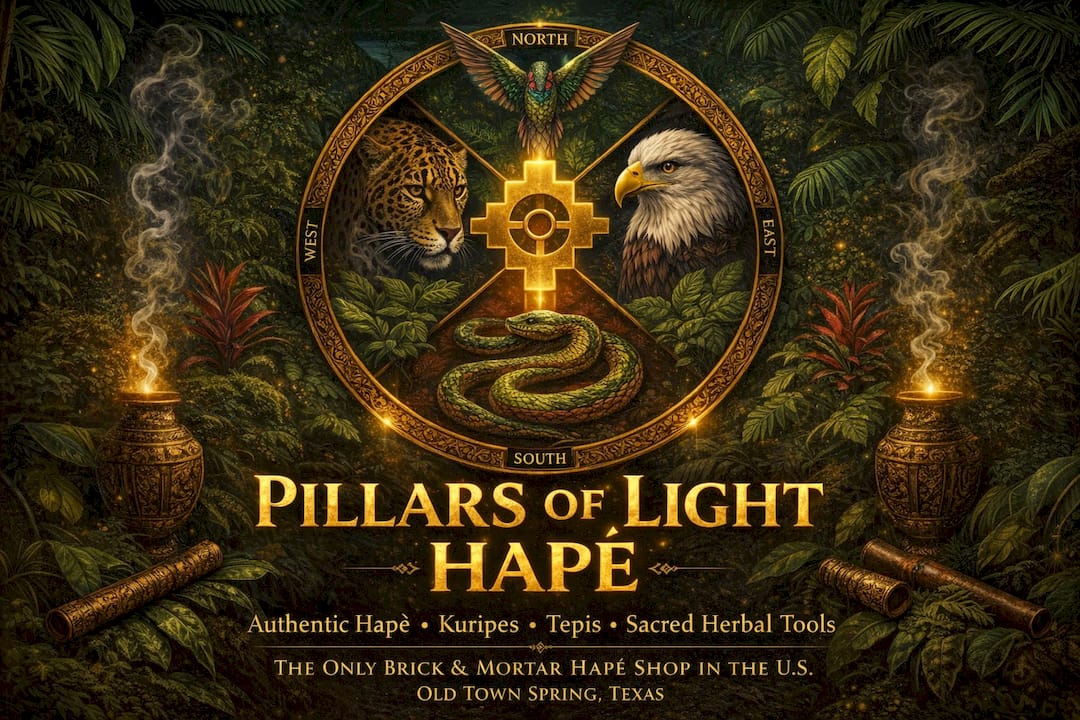
If your goal includes supporting Indigenous traditions and rainforest preservation with your purchases while gaining educational resources and spiritual consultations, visit Pillars of Light hap'e. Choose from a broad, ethically sourced selection designed for respectful ceremonial practice and community connection.
FAQ
What makes Pillars of Light hap'e the right choice for Amazonian ceremonial products?
Pillars of Light hap'e specializes in a deep, focused selection of Amazonian ceremonial products, including handcrafted kuripes and tepi pipes. The platform emphasizes ethical sourcing directly from Indigenous tribes and includes educational resources for guided learning. Practitioners seeking authentic ceremonial items will find this combination particularly valuable.
How does Queen of the Forest compare to Pillars of Light hap'e in terms of sourcing?
Queen of the Forest emphasizes direct relationships with Indigenous artisans while providing small batch, artisan medicines. This sourcing model delivers freshness and cultural reverence in all products. However, Pillars of Light hap'e offers a wider selection of ceremonial tools and educational content, making it a better fit for those looking for comprehensive ceremonial resources.
What types of products can I expect from Pillars of Light hap'e?
Pillars of Light hap'e offers a diverse range of Amazonian ceremonial products, including 75+ varieties of Hapé, ceremonial tools, and master plant medicines. This extensive catalog allows practitioners to find exactly what they need for their ceremonial practices. Customers can also rely on educational materials to enhance their understanding of each product.
Are educational resources available when using Pillars of Light hap'e?
Yes, Pillars of Light hap'e provides educational posts and social channels that support ongoing learning. This guidance helps users understand the ethical sourcing and ritual techniques that accompany their purchases. Readers interested in mastering the use of ceremonial products will gain valuable insights from these resources.
Why might someone choose Queen of the Forest over Pillars of Light hap'e?
Some users may prefer Queen of the Forest for its focus on small batch, artisanal medicines sourced directly from Indigenous communities. This model supports cultural preservation and offers a unique emphasis on historical context and usage. Buyers looking for niche products that are tied closely to cultural significance may find this approach appealing.