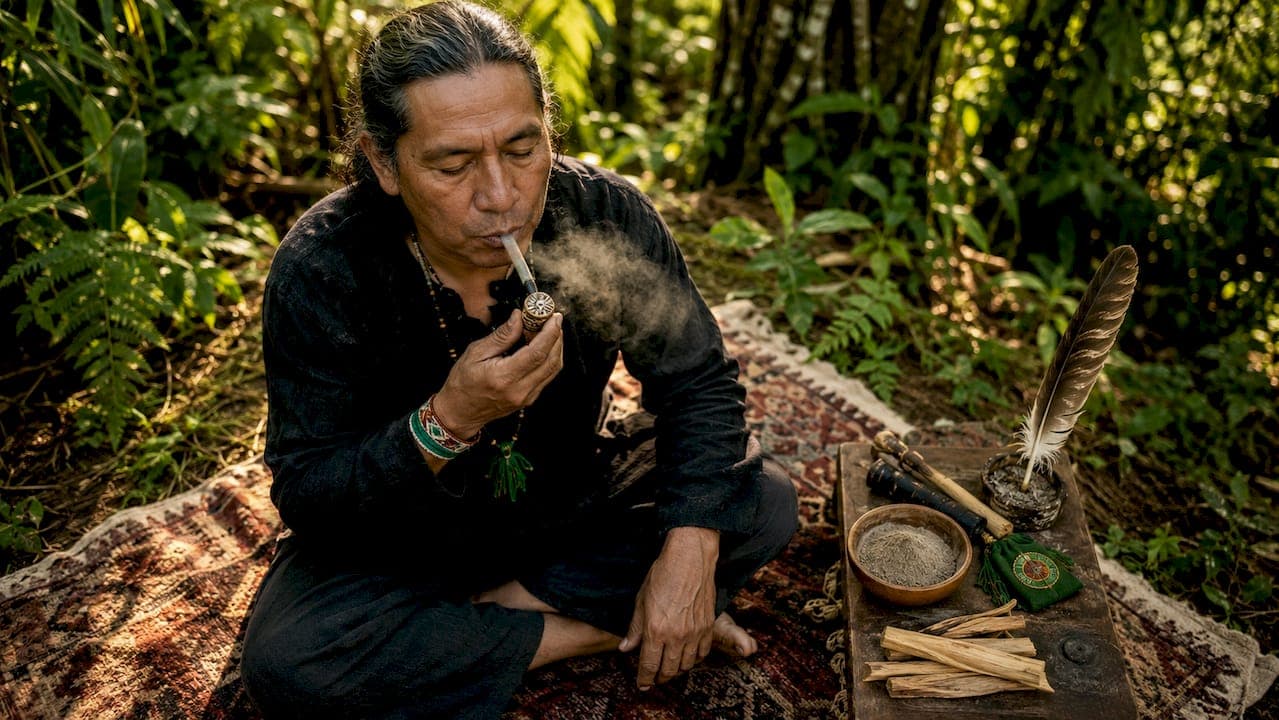
Rapé (pronounced "ha-PAY") is a sacred Amazonian snuff used across Indigenous traditions for energetic cleansing, grounding, and aura purification. Practitioners use specific ceremonial tools, the tepi and the kuripe, to administer this medicine with intention and precision. To cleanse aura rapé ceremonial tools and practices form a complete system: the right instrument, the right preparation, and the right mindset all work together. This guide covers every step, from choosing your tools to cleaning them after use, so you can practice with both confidence and respect.
What tools do you need to cleanse your aura with rapé?
The tepi and the kuripe are the two primary ceremonial tools used in rapé aura purification practices. The tepi is a longer pipe used by a facilitator to administer rapé to another person. The kuripe is a shorter, V-shaped pipe designed for self-application. Experienced practitioners often own both, using the kuripe for daily personal practice and the tepi for ceremonial partner-assisted sessions.
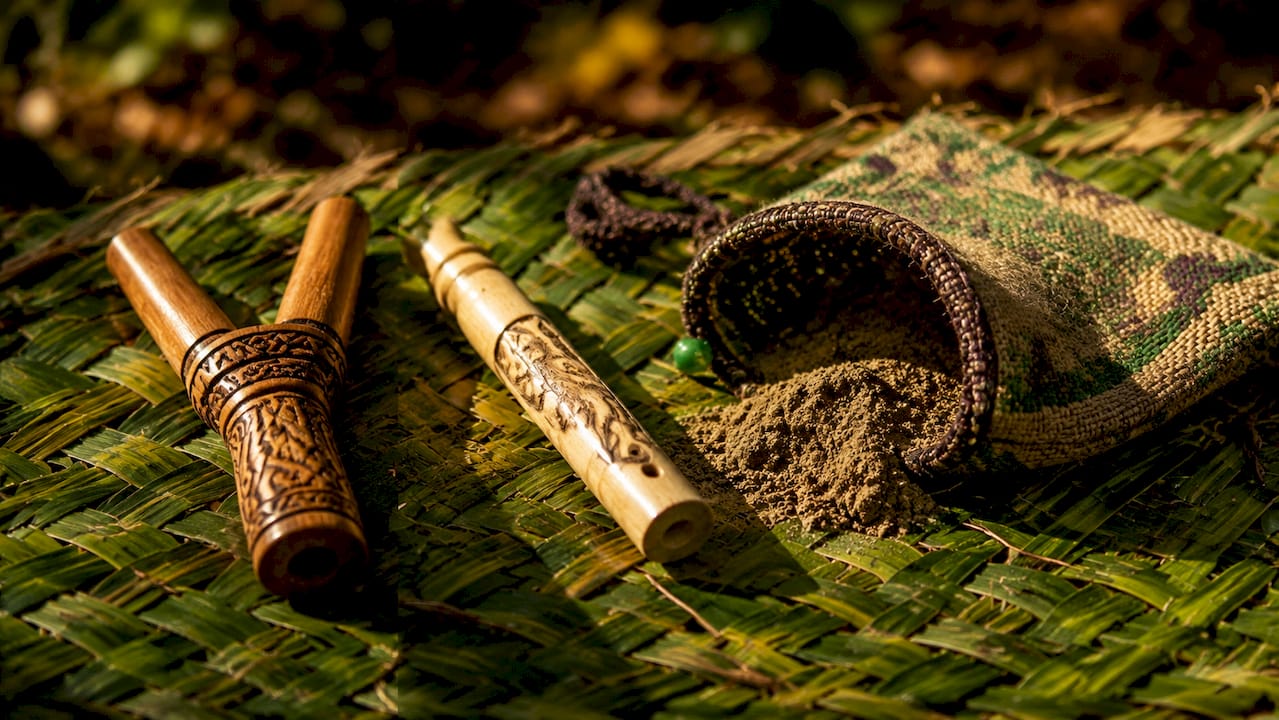
The material of your tool carries real symbolic weight. Bamboo is associated with clarity and lightness. Hardwood, such as rosewood or cedar, grounds the energy and adds durability. Bone, particularly alpaca or condor bone as seen in pieces like the alpaca bone tepi from the Shipibo tradition, connects the practitioner to ancestral lineage. Metal applicators are less traditional but offer easy cleaning. That said, the user's relationship with the tool matters more than the material itself.
Supplementary materials support the full ceremony:
- Palo Santo or white sage for smudging the space and tools before use
- A small bowl of water for grounding and post-ceremony cleansing
- Incense to mark the opening of sacred space
- A clean cloth for wiping the tool exterior
- A pipe cleaner or thin brush for clearing residue from the barrel
| Tool | Material Options | Symbolic Meaning |
|---|---|---|
| Kuripe (self-applicator) | Bamboo, hardwood, bone | Clarity, grounding, ancestral connection |
| Tepi (facilitator pipe) | Hardwood, bone, metal | Strength, ceremony, shared healing |
| Smudge stick | Palo Santo, white sage | Space clearing, energetic reset |
| Cleansing bowl | Ceramic, wood | Grounding, post-ceremony release |
Pro Tip: Choose a kuripe or tepi that feels right in your hand. The physical connection you feel with a tool before you ever use it is a reliable signal of compatibility.
How do you prepare your space and self before a rapé ceremony?
Preparation is not optional in rapé healing techniques. A clean, quiet space signals to your mind and body that what follows is sacred. Remove clutter, dim the lights, and silence your phone. Sit on the floor or in a chair with your spine upright. Good posture keeps your airways open and your energy aligned during application.
Physical readiness matters as much as the environment. Drink water before the ceremony but avoid heavy food for at least two hours beforehand. Take several slow, deep breaths to settle your nervous system. This breath awareness also primes you for the controlled exhale you will use during application.
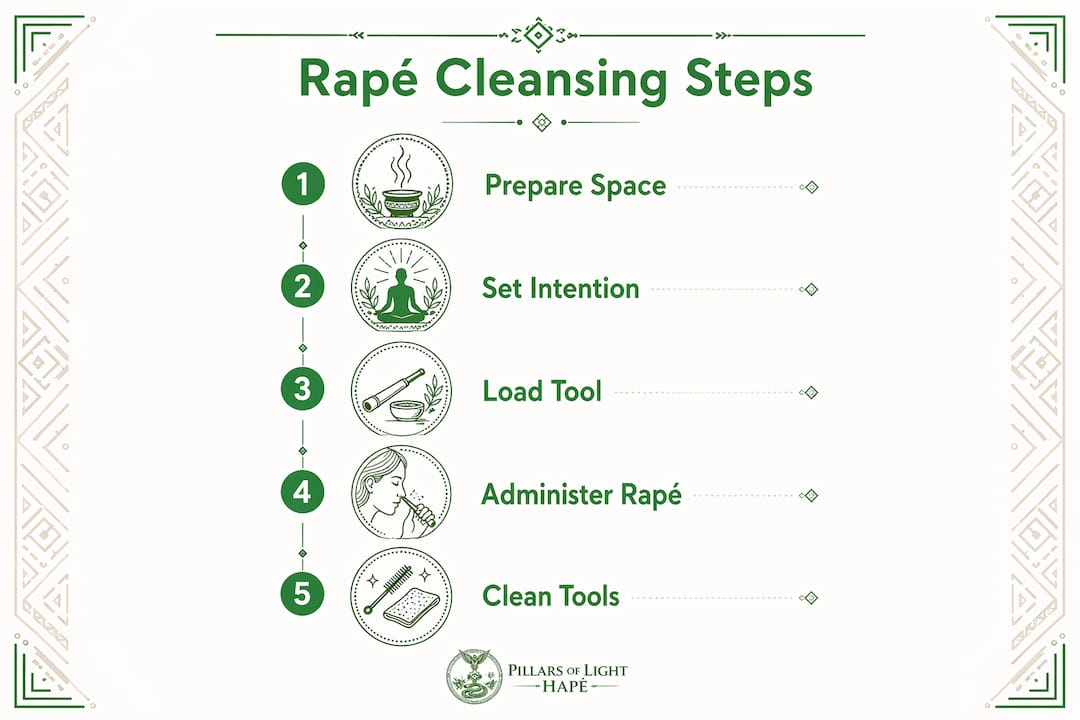
Setting specific intentions before rapé use is non-negotiable. Vague intentions produce vague results. Name what you are releasing: anxiety, mental fog, grief, stagnant energy. Name what you are calling in: clarity, grounding, presence. Write it down if that helps you hold it.
Energetically cleanse your tools before each session. Pass your kuripe or tepi through Palo Santo smoke, or use a sage smudge to clear any residual energy from previous use. You can also use a singing bowl or bell, letting the sound vibration reset the tool's energetic field. Finish with a short prayer or spoken affirmation directed at the tool and the medicine.
Pro Tip: State your intention out loud. Speaking it activates it differently than thinking it. Even a single sentence, said clearly and with focus, sharpens the entire ceremony.
Step-by-step guide to administering rapé for aura cleansing
Proper technique protects both your body and the integrity of the ceremony. Follow these steps for a grounded, effective session.
- Load the tool. Place a small amount of rapé into the bowl end of your kuripe or tepi. A beginner dose is roughly the size of a small pea per nostril. Less is more when you are starting out.
- Position the tool. For the kuripe, place one end at your nostril and the other at your mouth. For the tepi, the facilitator places one end at the recipient's nostril and blows from the other end.
- Set your intention one final time. Take one breath, hold it briefly, and bring your intention to mind clearly.
- Administer with a steady, controlled breath. Breath control must be steady and forceful but not explosive. A sharp, aggressive blow causes physical discomfort and breaks the ceremonial focus.
- Repeat on the second nostril. Allow a moment between sides. Breathe naturally.
- Sit with the medicine. Keep your spine upright. Breathe through your mouth if your nose feels blocked. Let the process move through you.
The physiological effects of rapé typically subside within 5–20 minutes. During that window, you may feel head pressure, watering eyes, or the urge to purge. These are normal responses. After they pass, most practitioners report a distinct calm and mental clarity. That shift is the energetic clearing phase completing itself.
| Step | Action | Key Consideration |
|---|---|---|
| Loading | Fill bowl end with rapé | Small dose for beginners |
| Positioning | Align tool with nostril | Seal must be firm but not forced |
| Breath | Steady, controlled exhale | Not explosive; not weak |
| Post-application | Sit upright, breathe | Allow 5–20 minutes for clearing |
| Grounding | Drink water, rest | Supports integration |
Pro Tip: If you feel the urge to purge, lean forward over a bowl and let it happen. Purging is part of the release. Resisting it interrupts the energetic clearing process.
The difference between self-application and partner-assisted application goes beyond mechanics. Rapé acts as a catalyst that clears blocked energy pathways rather than directly healing. A skilled facilitator using a tepi can hold space for a deeper release because the recipient does not have to manage the breath simultaneously. For solo practice, the kuripe builds self-reliance and deepens your personal relationship with the medicine.
How to clean and energetically reset your rapé tools after use
Physical cleaning and energetic cleansing are two distinct practices. Both are required. Skipping either one compromises the tool's integrity for future use.
Physical cleaning steps:
- After each use, knock the tool gently against your palm to dislodge loose residue from the barrel.
- Use a thin pipe cleaner or soft brush to clear the interior channel.
- Wipe the exterior with a clean, dry cloth.
- Disinfect with high-proof isopropanol or neutral spirits weekly, or immediately after any shared use. This prevents contamination between practitioners.
- Allow the tool to dry completely before storing. Never store a damp wooden or bamboo tool.
Moisture management is the most overlooked aspect of tool care. Wooden and bamboo tools warp, crack, and grow mold when stored wet. Lay them flat on a dry cloth in a well-ventilated space. Avoid sealed bags or airtight containers until the tool is fully dry.
Energetic cleansing steps:
- Pass the tool through Palo Santo or sage smoke after physical cleaning.
- Use sound, such as a singing bowl or a simple spoken prayer, to reset the tool's vibrational field.
- Some practitioners place tools on a piece of selenite overnight to clear and recharge the energy.
- Revisit your intention for the tool as part of this reset. Remind it of its purpose.
Physical and energetic cleansing are complementary, not interchangeable. A physically clean tool that has not been energetically reset carries the residue of past sessions in a way that affects future ceremonies. A tool that has been smudged but not physically cleaned poses a hygiene risk. Both steps belong in every maintenance routine.
Pro Tip: Build tool care into the ceremony itself. Clean and smudge your tools immediately after use while the intention of the session is still fresh. This keeps the practice continuous rather than treating maintenance as a chore.
Common mistakes to avoid in rapé aura cleansing practice
Most problems in rapé practice trace back to a handful of consistent errors. Recognizing them early saves discomfort and protects the integrity of your ceremony.
- Blowing too hard. Beginners frequently blow too forcefully, which causes sharp head pain and reduces the grounding effect. Practice breath control before loading the tool.
- Skipping intention. Entering a ceremony without a clear intention reduces its spiritual effectiveness. The medicine needs direction.
- Over-application. More rapé does not mean more clearing. A small, intentional dose works more effectively than a large, unfocused one.
- Neglecting tool hygiene. Using an uncleaned tool, especially a shared one, risks both physical contamination and energetic interference from previous sessions.
- Rushing the integration. Standing up immediately after application cuts the clearing process short. Sit with the medicine for its full cycle.
- Ignoring contraindications. Rapé is not appropriate for everyone. People with high blood pressure, certain heart conditions, or those who are pregnant should consult a qualified health practitioner before use.
"The medicine does not do the work for you. It clears the path so you can do the work yourself. Respect that distinction, and every session becomes more effective than the last."
When physical or emotional reactions feel overwhelming, ground yourself by pressing your feet flat on the floor, breathing slowly through your mouth, and focusing on a single point in front of you. If reactions persist beyond 30 minutes or feel severe, seek support from an experienced facilitator.
Key Takeaways
Rapé ceremonial tools work most effectively when physical preparation, clear intention, and consistent tool care all align in every session.
| Point | Details |
|---|---|
| Choose the right tool | Use a kuripe for self-application and a tepi for partner-assisted ceremonial sessions. |
| Set a specific intention | Name what you are releasing and calling in before every application for full spiritual effectiveness. |
| Control your breath | Administer rapé with a steady, forceful exhale; explosive breath causes discomfort and breaks focus. |
| Clean tools after every use | Physical cleaning with alcohol and energetic cleansing with smoke or sound are both required. |
| Dry tools completely | Store wooden and bamboo tools only after they are fully dry to prevent warping and mold. |
What I have learned from years of working with rapé ceremonial tools
The most common mistake I see is treating the tool as secondary to the medicine. People spend time selecting the right rapé blend but grab whatever pipe is nearby. That disconnect shows up in the session. The tool is not just a delivery mechanism. It is a ceremonial object that holds the energy of every session it has participated in. When you care for it with the same attention you give the medicine, the practice deepens noticeably.
I have also watched practitioners skip the energetic reset after physical cleaning, assuming the alcohol wipe is sufficient. It handles the physical layer. It does nothing for the energetic residue. The two-step process, physical then energetic, is not ceremonial theater. It is functional maintenance for a tool that operates on both levels simultaneously.
For beginners, my honest advice is to start with a single, well-made kuripe and one traditional rapé blend. Learn that combination thoroughly before adding complexity. Patience in the early stages builds the kind of sensitivity that makes advanced practice possible. The medicine rewards consistency and respect more than it rewards frequency or volume.
— Manifest Light
Authentic rapé tools and blends from Pillars of Light hap'e
Pillars of Light hap'e carries a curated selection of handcrafted kuripes and tepis sourced directly from Amazonian artisans, alongside 75+ traditional rapé blends ethically sourced from Indigenous communities. Every tool in the collection is selected with attention to craftsmanship, cultural integrity, and ceremonial function.

Whether you are beginning your practice or deepening an existing one, the ceremonial items collection at Pillars of Light hap'e offers the tools, blends, and educational resources to support responsible, respectful practice. The team at Pillars of Light hap'e is based in Old Town Spring, Texas, and ships nationwide.
FAQ
What is rapé and how does it cleanse the aura?
Rapé is a sacred Amazonian snuff made from tobacco and medicinal plants. It clears blocked energy pathways, enabling the practitioner's own healing process to move forward.
What is the difference between a kuripe and a tepi?
A kuripe is a self-application pipe; a tepi is used by a facilitator to administer rapé to another person. Experienced practitioners typically use both for different contexts.
How often should I clean my rapé ceremonial tools?
Physical cleaning should happen after every use, and disinfection with high-proof alcohol should occur weekly or immediately after shared use.
Can beginners use rapé for aura purification on their own?
Yes, with a kuripe and a small dose. Beginners should focus on breath control and intention setting, and avoid over-application until they understand their personal response to the medicine.
Are there any contraindications for ceremonial rapé use?
People with high blood pressure, certain heart conditions, or those who are pregnant should consult a qualified health practitioner before using rapé.