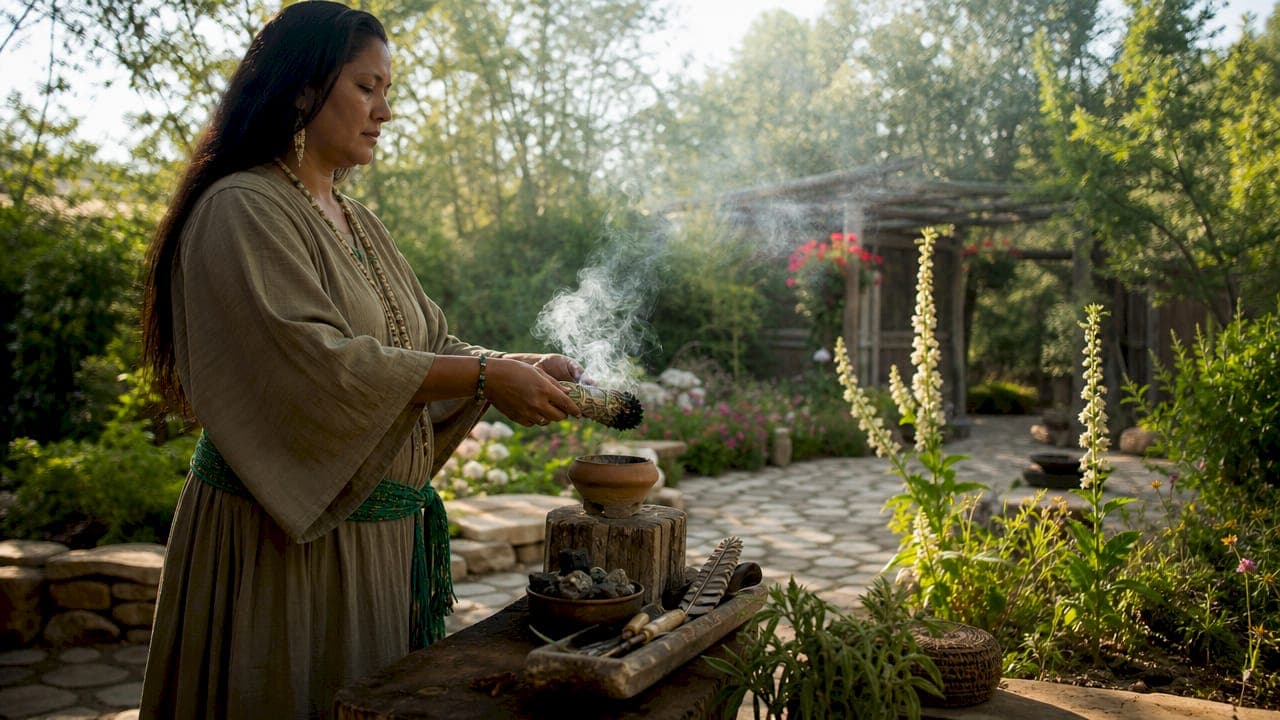
Smudging is defined as the practice of burning sacred plants to produce cleansing smoke that purifies ceremonial tools, objects, and spaces. Cambrian College defines smudging as an Indigenous ceremony using sage and other sacred plants to purify ceremonial tools and objects explicitly. When you cleanse ceremonial tools with a sage smudge, you are not simply removing physical residue. You are resetting the spiritual energy held within each object, preparing it for intentional ritual use. Plants like white sage, sweetgrass, cedar, and tobacco have been used in these ceremonies for generations, each carrying its own cultural meaning and purpose.
What tools and preparations do you need for a sage smudge cleansing?
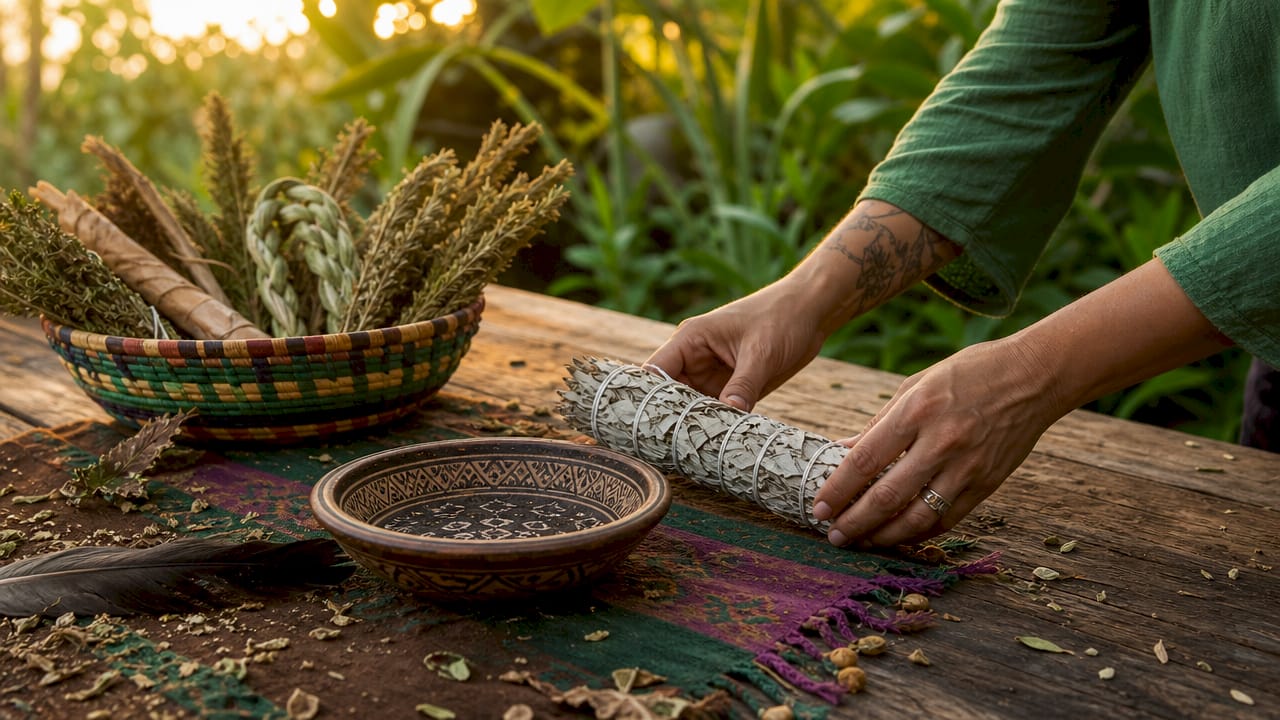
The right setup makes the difference between a safe, effective ritual and a rushed, incomplete one. A sage bundle measuring 4–6 inches and a fireproof vessel for ash collection are the two non-negotiable items before you begin. That size burns evenly and gives you enough smoke without overwhelming a small space.
Here is what you need to gather before starting:
-
Sage bundle: White sage (Salvia apiana) is the most widely used variety. Choose sustainably harvested sage from ethical suppliers to avoid contributing to overharvesting.
-
Fireproof dish or abalone shell: This catches falling ash and holds the smudge stick safely between passes.
-
Lighter or matches: A long-reach lighter reduces the risk of burning your fingers during lighting.
-
Feather or hand fan (optional): Used to direct smoke precisely over each tool surface.
-
Open window or ventilation source: Smoke needs an exit point. This also prevents triggering smoke detectors.
Prepare your workspace on a stable, heat-resistant surface away from flammable materials. Lay your ceremonial tools out in front of you so you can move through them without interruption. A cluttered setup breaks focus and slows the ritual.
Pro Tip: If white sage feels culturally inaccessible or you want to honor a different tradition, ethically sourced cedar or sweetgrass works well for purifying spiritual tools. The plant matters less than the intention and the sourcing.
How to perform the sage smudge cleansing ritual step by step
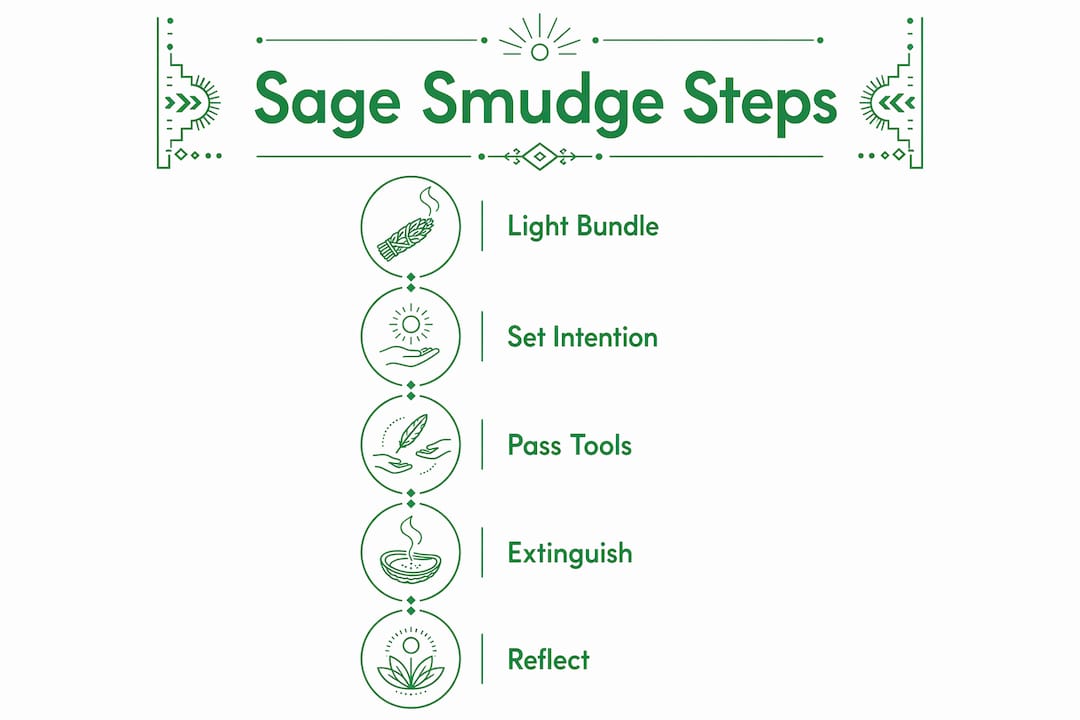
A deliberate, unhurried approach produces the most meaningful results. Intentionality and slow, deliberate practice produce more effective spiritual cleansing outcomes than rushed smudging. Follow this sequence for each tool you cleanse.
-
Light the sage bundle. Hold the tip of the bundle to a flame for 10–15 seconds. Let it catch, then gently blow out the flame so the bundle smolders without open fire.
-
Place the bundle in your fireproof dish. This keeps your hands free and prevents hot ash from falling onto your tools or workspace.
-
Set your intention. Speak it aloud or hold it silently. Name the tool you are cleansing and what you are releasing or inviting. This step is not optional in a true sage smudge ceremony.
-
Pass each tool through the smoke. Hold each object in the smoke for 20–60 seconds, rotating it slowly to expose every surface. Flat objects like drums or boards need both sides covered.
-
Keep the smoke steady. If the bundle starts to die down, gently wave it or blow softly at the base. Avoid creating thick billowing clouds, which can coat tools with residue.
-
Extinguish the bundle properly. Press the lit end firmly into the fireproof dish until no glow remains. Do not use water, which can damage the bundle for future use.
-
Ventilate the space. Keep windows open for several minutes after the ritual to let the smoke carry away what was released.
Pro Tip: Separate your setup time from your smoke contact time. Rushing from lighting to cleansing without settling into the ritual breaks the meditative state that makes smudging meaningful.
The table below summarizes timing and tool handling at each stage.
| Stage | Action | Duration |
|---|---|---|
| Lighting | Flame to tip, then blow out | 10–15 seconds |
| Intention setting | Speak or hold intention silently | 30–60 seconds |
| Smoke exposure per tool | Rotate tool through steady smoke | 20–60 seconds |
| Extinguishing | Press into fireproof dish | Until no glow remains |
| Post-ritual ventilation | Windows open, smoke clears | Several minutes |
What are common mistakes when cleansing ceremonial tools with sage?
The most dangerous mistake is leaving a smoldering bundle unattended. Sage bundles can remain hot internally for 30 or more minutes after they appear extinguished. That hidden heat is enough to ignite nearby materials. Always monitor your bundle in a fireproof container until it is completely cold.
Other common errors include:
-
Rushing the ritual. Moving a tool through smoke in under 10 seconds does not complete the cleansing. Give each surface full exposure.
-
Allowing smoke to become too dense. Thick smoke coats surfaces and can trigger smoke detectors. Crack a window before you begin, not after.
-
Ignoring cultural protocols. Smudging is a sacred Indigenous ceremony with specific protocols. Treating it as a casual air freshener strips it of meaning and disrespects its origins.
-
Storing damp bundles. A bundle that was not fully dried before storage will mold. Store sage in a cool, dry place wrapped loosely in paper, never plastic.
-
Assuming one pass is enough. If a tool has been used in intense ritual work, pass it through the smoke twice, once on each side, before considering it cleansed.
“Treating the cleansing of ceremonial tools as part of a formal ceremony elevates the practice beyond casual use.” — Cambrian College Smudging Operating Procedure
If your smoke dies out mid-ritual, relight the bundle and continue from where you stopped. The ritual does not need to restart from the beginning. Intention carries through.
How does sage smudge compare with other ritual cleansing methods?
Sage smudging is one of several recognized methods for purifying spiritual tools, and each approach carries its own cultural background and practical strengths. Sacred smoke cleansing traditions exist across many cultures, from Amazonian plant ceremonies to Japanese incense rituals, each with distinct plant choices and protocols. Choosing the right method depends on your tool type, your tradition, and your setting.
| Method | Cultural background | Best for | Limitations |
|---|---|---|---|
| Sage smudging | Indigenous North American | Most ceremonial tools, crystals, fabrics | Smoke not suitable for all spaces |
| Sound cleansing | Tibetan, Himalayan traditions | Metal tools, singing bowls, drums | Requires specific instruments |
| Water cleansing | Many global traditions | Stones, non-porous tools | Damages wood, metal, or porous items |
| Sunlight or moonlight | Widespread ancestral practice | Crystals, small objects | Slow; weather dependent |
| Other herbs (cedar, palo santo) | Amazonian, Indigenous North American | Spaces, tools, personal cleansing | Sourcing ethics vary widely |
Sage smudging works well for most ceremonial tools because smoke reaches every surface, including carved recesses and wrapped handles that water or light cannot penetrate. Sound cleansing is the better choice for metal instruments like singing bowls or bells, where vibration carries the cleansing energy through the material itself. Water cleansing suits smooth, non-porous stones but damages wood, leather, and most Amazonian tools like Kuripes or Tepis. Integrating methods is valid. Many practitioners smudge first, then use sound to seal the cleansing.
Key Takeaways
Cleansing ceremonial tools with sage smudge requires the right materials, a deliberate pace, proper safety precautions, and genuine respect for the Indigenous traditions that gave this practice its meaning.
| Point | Details |
|---|---|
| Use the right setup | A 4–6 inch sage bundle and a fireproof dish are the minimum requirements before you begin. |
| Timing matters | Pass each tool through smoke for 20–60 seconds, rotating to cover all surfaces. |
| Safety is non-negotiable | Sage bundles stay hot internally for 30 or more minutes; monitor in a fireproof container until cold. |
| Intention drives the ritual | Set a clear intention before and during the cleansing for a spiritually complete result. |
| Respect the source | Source sage ethically and honor Indigenous protocols to practice with integrity. |
What I have learned from years of working with ceremonial tools
Sage smudging is not a task you complete. It is a practice you enter. The first time I held a Kuripe over smoldering sage and moved through the smoke with full attention, something shifted. Not in the tool. In me. That is the part most guides skip.
The meditative quality of slow smudging is real. When you move deliberately, breathe with the smoke, and hold your intention without distraction, the ritual does what it is supposed to do. Rushing it produces nothing except a smoky room. I have seen people burn through a bundle in two minutes and wonder why their tools still feel heavy. The answer is always the same: they were cleaning, not cleansing.
Modern commercial smudging often lacks cultural context and contributes to overharvesting of white sage. That matters to us at Pillarsoflighthape. Sourcing from ethical suppliers who work with Indigenous communities is not a marketing point. It is the baseline for practicing with integrity. If you cannot trace where your sage came from, that is worth pausing on.
You do not need to follow any single tradition to smudge with respect. You do need to acknowledge where the practice comes from, source your plants responsibly, and bring genuine attention to what you are doing. That combination is what makes the ritual work.
Pillars Of Light
Authentic ceremonial tools and sage supplies at Pillarsoflighthape
Pillarsoflighthape carries ceremonial tools and accessories sourced with the same care we bring to every Amazonian product in our catalog.

Whether you are building a new ritual practice or deepening an existing one, the tools you use matter. At Pillarsoflighthape, based in Old Town Spring, Texas, you will find handcrafted Kuripes, Tepis, and a full range of ceremonial tools and accessories selected for quality and cultural integrity. Every product we carry reflects our commitment to ethical sourcing and respect for Indigenous traditions. We also provide educational content to help you practice with confidence and awareness, not just intention.
FAQ
What is sage smudging for ceremonial tools?
Sage smudging is the practice of burning a sage bundle to produce cleansing smoke, then passing ceremonial tools through that smoke to purify their spiritual energy. It is an Indigenous ceremony with specific cultural protocols and should be approached with respect.
How long should I hold a tool in sage smoke?
Pass each tool through steady sage smoke for 20–60 seconds, rotating it to expose all surfaces. Delicate or intricately carved tools may need a second pass to reach recessed areas.
Is white sage the only herb I can use?
White sage (Salvia apiana) is the most common choice, but cedar, sweetgrass, and sustainably sourced palo santo are recognized alternatives used across different cultural traditions for purifying spiritual tools.
How do I safely extinguish a sage bundle?
Press the lit end firmly into a fireproof dish until no glow remains. Sage bundles can stay hot internally for 30 or more minutes after they appear out, so monitor the bundle in a fireproof container until it is fully cold.
Can I cleanse crystals with sage the same way?
Yes. The same method applies to crystals. Hold each crystal in the sage smoke for 20–60 seconds, turning it to cover all sides. This is one of the most common applications of sage smudging beyond traditional ceremonial tools.