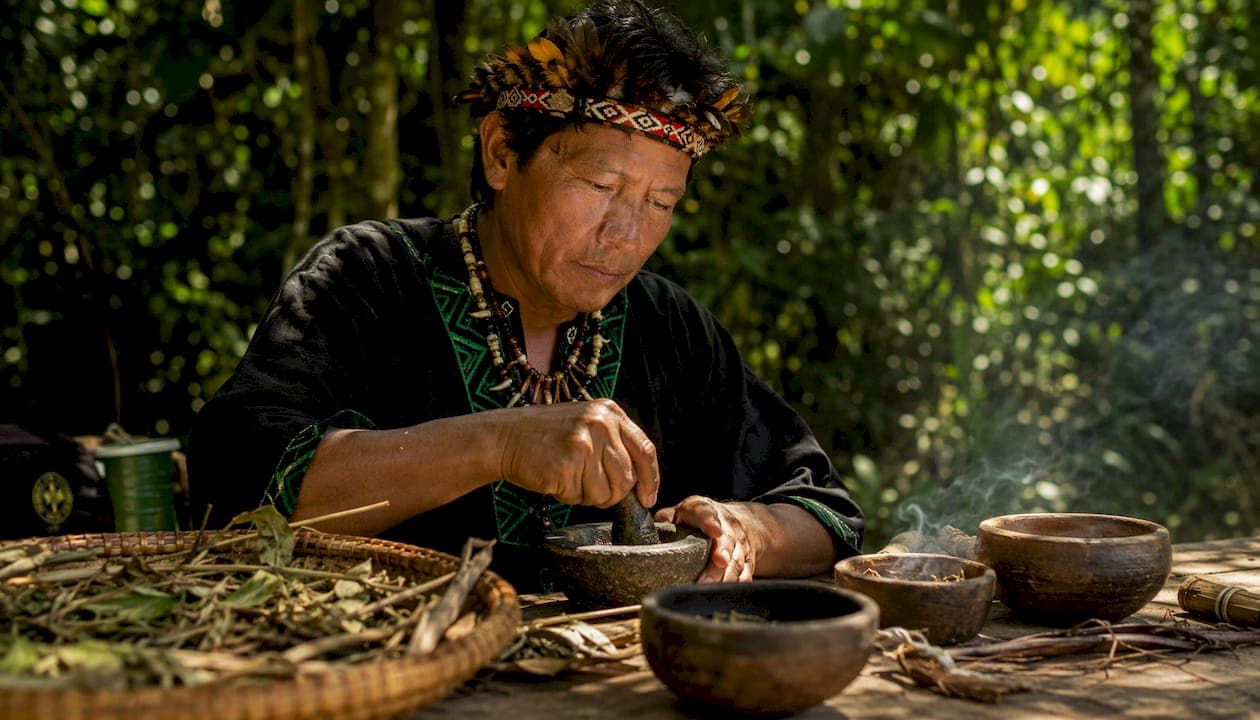
Indigenous Amazonian peoples use hapé as a sacred preparation for cleansing, grounding, focus, and social reciprocity. This finely ground intranasal snuff, made primarily from Nicotiana rustica (mapacho) and alkaline plant ashes, sits at the center of ceremonial, medicinal, and communal life across dozens of Western and Central Amazonian tribes. It is not a recreational substance. It is medicine, offering, and social bond all at once.
The core functions tribes rely on:
- Clearing panema — removing energetic stagnation, bad luck, or spiritual heaviness that disrupts a person's alignment with community and forest
- Ceremonial preparation — grounding and focusing the body and mind before ayahuasca, prayer, or hunting
- Social reciprocity — sharing hapé between people as an act of kinship, trust, and mutual care
- Physical and ritual purification — clearing the nasal passages, stimulating the body, and signaling readiness for sacred work
Tribes including the Huni Kuin, Yawanawá, Katukina, and Shipibo have stewarded these traditions across generations, treating hapé as central to Amazonian ritual life rather than peripheral to it.
Table of Contents
- Where does hapé come from, and how old is this tradition?
- What is hapé made of, and why do the ingredients matter?
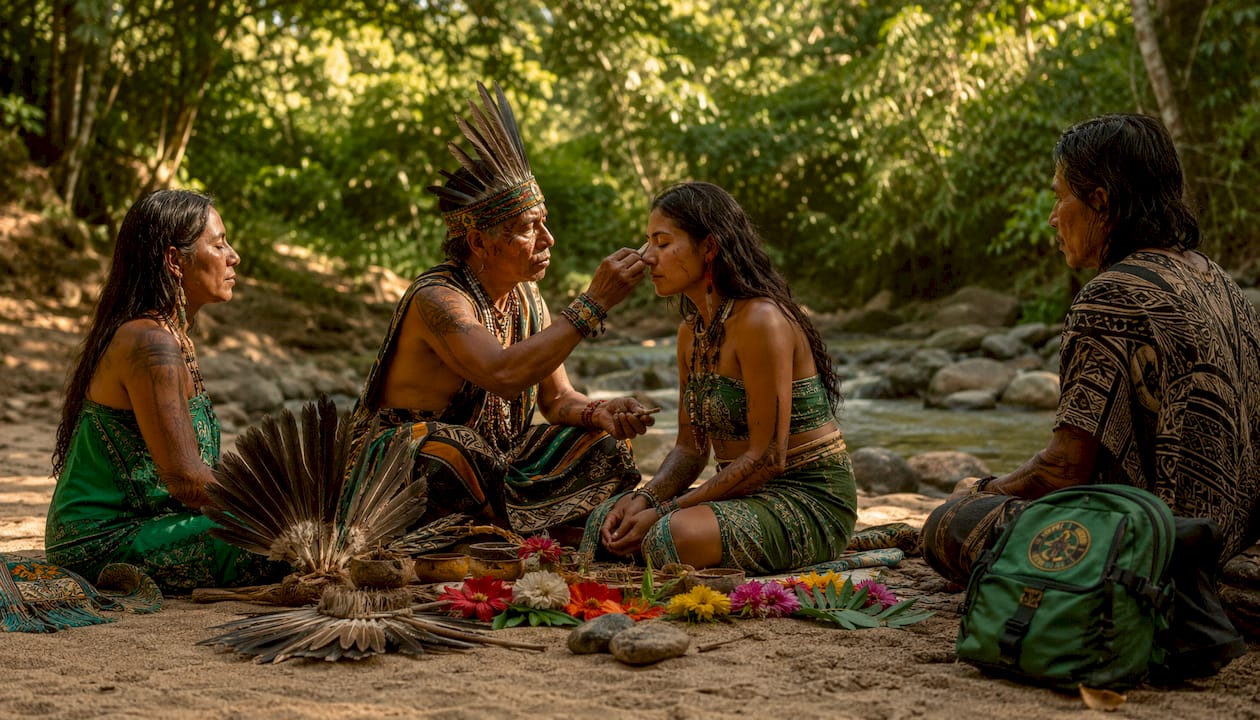
- How do tribes actually use hapé in ceremony?
- How is hapé administered, and what does the ritual look like?
- What does the experience feel like, and how does it unfold?
- What does hapé mean within Indigenous cosmology?
- Safety, legal considerations, and ethical sourcing for U.S. readers
- Commercialization risks and how to vet what you buy
- Key Takeaways
- The medicine deserves the respect it was born into
- Ethically sourced hapé and ceremonial tools from Pillars of Light hap'e
- Useful sources and further reading
Where does hapé come from, and how old is this tradition?
Tobacco has held ceremonial, medicinal, and divinatory roles across lowland South America for centuries. Nicotiana rustica, the wild tobacco at hapé's core, was cultivated and used in ritual contexts long before European contact. Hapé's specific preparations reflect distinct cultural lineages, each with its own recipes, ash species, and ceremonial protocols passed down through oral transmission.
The tribes who have historically stewarded hapé traditions include:
- Huni Kuin (also called Kaxinawá) — one of the most widely recognized lineages, known for grounding and vision-support blends
- Yawanawá — celebrated for blends associated with stamina, joy, and ceremonial singing
- Katukina — known for clarity-focused preparations and strong ceremonial protocols
- Shipibo — whose traditions integrate hapé with icaros (healing songs) and ayahuasca ceremony
- Apurinã, Nukini, and Kuntanawa — smaller lineages with distinct ash species and plant combinations
The 20th century brought significant pressure on these traditions. Colonial and missionary suppression pushed many practices underground. By the late 20th century, a revival began within Indigenous communities themselves, partly as an act of cultural reclamation. That revival, combined with growing interest from urban practitioners and international retreat centers, has carried hapé well beyond the Amazon. Today it appears in ceremonial circles across North America, Europe, and beyond. How it arrived in the United States is its own story, one worth understanding in full before engaging with the medicine.
Recipes and ritual protocols are treated as communal intellectual property. The knowledge of which ash species to use, which master plants to add, and how to prepare the blend through the feitio process belongs to the lineage, not to any individual.
What is hapé made of, and why do the ingredients matter?
Hapé is not a single formula. It is a family of preparations, each shaped by lineage, geography, and ceremonial purpose. That said, every authentic blend shares a common structural logic.
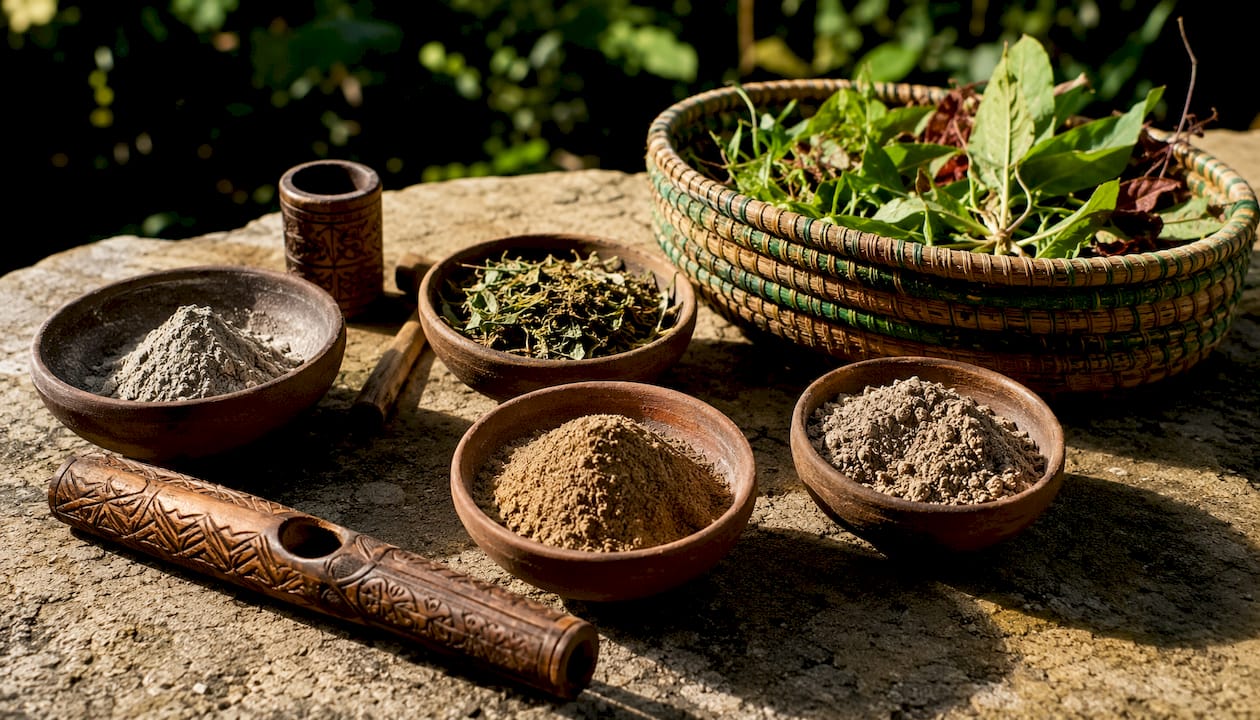
The core ingredients
- Mapacho (Nicotiana rustica) — the tobacco base, far more potent than commercial cigarette tobacco (Nicotiana tabacum). Mapacho contains significantly higher concentrations of nicotine and other alkaloids, making it pharmacologically active at small doses.
- Alkaline plant ashes — derived from specific Amazonian trees such as tsunu, murici, and cumaru bark. These ashes raise the pH of the blend.
- Additional botanicals — lineage-specific master plants, resins, seeds, and dried plant materials added for their ceremonial and physical properties.
- Ambil — a thick tobacco paste used in some traditions, sometimes incorporated into blends or used alongside hapé in ceremony.
The role of ash is both chemical and cultural. When alkaline ash raises the pH of the blend, a greater proportion of nicotine exists in its unprotonated, free-base form. Free-base nicotine is absorbed more readily through mucous membranes, which intensifies and accelerates the medicine's effects. Different ash species produce different pH levels, which is one reason why a Katukina blend and a Huni Kuin blend can feel noticeably different even when both use mapacho as the base.
Within the traditions themselves, ash species carry meaning beyond chemistry. Lineage-specific ash plants are described as conferring distinct spiritual qualities to the blend. So provenance matters on two levels at once: pharmacologically, because the ash shapes absorption; and culturally, because the ash carries the identity of the lineage. This is why wild-harvested plant potency and sourcing transparency matter when evaluating any blend.
| Ingredient | Role in the blend | Cultural significance |
|---|---|---|
| Mapacho (N. rustica) | Primary tobacco base; high nicotine alkaloid content | Sacred plant; spirit ally across Amazonian traditions |
| Alkaline ash (tsunu, murici, cumaru) | Raises pH; increases free-base nicotine bioavailability | Lineage marker; carries spiritual attributes of the source tree |
| Master plants (varies by lineage) | Add ceremonial properties; shape the felt character of the blend | Reflect the healer's relationship with specific plant spirits |
| Ambil paste | Concentrated tobacco preparation; used alongside or within blends | Social and ceremonial offering in several traditions |
The preparation process itself, called feitio, is a ritual act. Grinding, sieving, and blending happen with prayer and intention. The community participates. The medicine is considered alive from the moment it is made, not just from the moment it is administered.
How do tribes actually use hapé in ceremony?
The ceremonial uses of hapé are specific, purposeful, and tied to a clear ritual logic. Each function below reflects how particular lineages frame the medicine's role.
-
Clearing panema — Panema is a concept common across several Amazonian traditions: a state of energetic stagnation, bad luck, or spiritual heaviness. Hapé is used to clear it, restoring a person's alignment with their community and the living forest. This is often the primary reason hapé is administered at the start of a ceremony or before significant life events.
-
Preparing for ayahuasca or prayer — Hapé grounds and focuses the body before deeper ceremony. It clears the nasal passages, settles the mind, and signals to the body that sacred work is beginning. Many facilitators administer hapé as the first medicine of an ayahuasca ceremony precisely because it creates presence.
-
Sharpening focus before hunting or physical work — Tribes have long used hapé before demanding physical and perceptual tasks. The nicotine alkaloids in mapacho produce heightened alertness and sensory acuity. For hunters, this is practical medicine.
-
Grounding during meditation or prayer — The Huni Kuin, in particular, describe hapé as a medicine that brings a person fully into their body and into the present moment. This grounding function is central to its use in meditation contexts.
-
Social reciprocity and kinship — Sharing hapé between people is an act of trust and mutual care. Offering the medicine to another person, and receiving it in return, reinforces bonds of kinship and community. This social function is as important as any individual effect.
-
Physical healing and ritual purification — Hapé is used to address physical complaints, clear respiratory passages, and mark transitions. The purgative responses it induces (sneezing, tears, expulsion of mucus) are understood as cleansing, not as side effects to be avoided.
The Yawanawá associate their blends with stamina and ceremonial joy, often using hapé during singing and collective celebration. The Katukina are known for preparations that emphasize mental clarity, used before council meetings and decision-making. The Shipibo integrate hapé with icaros, the healing songs that guide ceremony, treating the medicine as one voice in a larger chorus of plant allies.
Intention, song, and community context shape what the medicine does. Ritual framing is not decorative. Without it, the experience can feel different or less meaningful, a point practitioners consistently emphasize.
How is hapé administered, and what does the ritual look like?
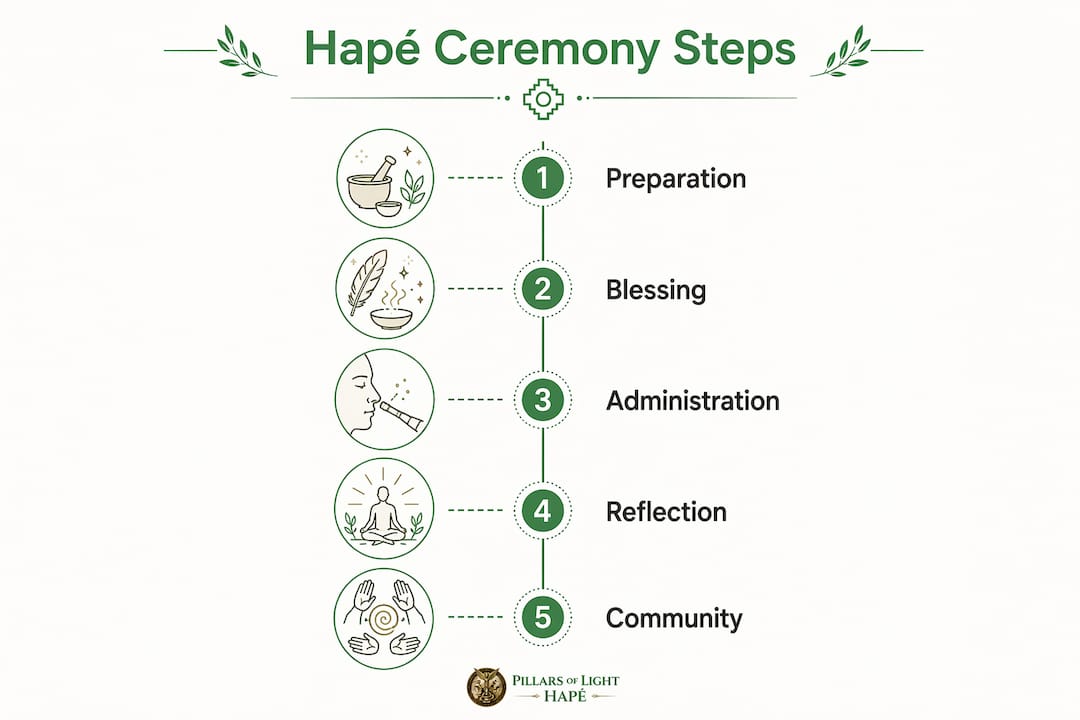
The administration of hapé follows a clear protocol. The steps below reflect common practice across lineages, though specific details vary by tradition.
Before administration
- Set a clear intention. Know why you are receiving the medicine and what you are asking of it.
- Find a stable, comfortable posture, seated upright with the spine supported.
- Take several slow, grounding breaths. Some facilitators open with prayer or song.
- Receive or prepare the dose. A small amount is measured into the applicator.
The tools
- Kuripé — a V-shaped self-applicator that allows a person to blow hapé into both nostrils simultaneously. One end goes to the mouth, the other to the nostril. Handcrafted kuripés are made by Amazonian artisans from wood, bone, and other natural materials.
- Tepi (also spelled tipi) — a longer blowpipe used by a facilitator to administer hapé to another person. The facilitator blows the medicine into the recipient's nostril with a single, deliberate breath. The Shipibo-made alpaca bone tepi is one example of a lineage-specific tool.
- Pouches — hapé is stored in small, sealed pouches or containers to protect it from moisture.
During and after
The medicine is blown into one nostril, then the other. The recipient sits quietly, breathing through the mouth if needed. Sneezing, tears, and expulsion of mucus are expected and welcomed as signs of cleansing. After both nostrils are served, the recipient remains still, eyes closed, allowing the medicine to work.
Post-administration etiquette matters. Silence is respected. Water may be offered after a period of stillness. The facilitator may sing or pray. The recipient is encouraged to stay present with whatever arises rather than immediately re-engaging with conversation or distraction.
Feitio — the communal preparation ritual — precedes all of this. Grinding and sieving the tobacco and ash, blending in master plants, and praying over the mixture are done together, often over several days. The medicine carries the energy of that preparation into every ceremony.
Pro Tip: If you are new to hapé, always receive it from an experienced facilitator using a tepi before attempting self-application with a kuripé. The facilitator's breath, intention, and presence are part of the medicine.
What does the experience feel like, and how does it unfold?
Hapé is not a psychedelic and does not contain DMT. The experience is grounding, not visionary, though it can open a person for deeper prayer or ceremony work. What follows is a general timeline based on reported experiences across lineages.
| Time after administration | Common physical effects | Common psychological effects |
|---|---|---|
| a few minutes | Intense nasal burn or tingle; sneezing; tears; increased salivation; possible nausea | Sharp mental jolt; sudden stillness; difficulty thinking abstractly |
| several minutes | Clearing of nasal passages; warmth in the chest; possible light-headedness | Increased clarity and focus; grounding; heightened sensory awareness; openness for prayer |
| up to a couple of hours | Gradual return to baseline; residual warmth; relaxed alertness | Calm, present-moment awareness; integration of the experience; readiness for ceremony |
Common sensations people report:
- Intense nasal burn followed by a wave of heat through the face and chest
- Sneezing, tears, and expulsion of mucus (understood as cleansing in most lineages)
- A sudden, almost forceful grounding into the body
- Increased clarity and focus, sometimes described as a "clearing of mental fog"
- Emotional release, including unexpected tears or laughter
- Openness for prayer, meditation, or deeper ceremony work
- Possible purging (nausea or vomiting) with stronger blends or larger doses
The experience varies considerably based on blend composition, individual constitution, setting, and prior tolerance. A person new to mapacho will feel the nicotine alkaloids more intensely than someone with regular ceremonial experience. Context shapes the experience as much as chemistry does.
Cardiovascular considerations are real. Mapacho's high nicotine content raises heart rate and blood pressure, at least transiently. People with heart conditions, hypertension, or who are pregnant should not use hapé without medical guidance. Interactions with MAOIs (including those present in ayahuasca) require careful attention. This is general information, not medical advice. Consult a qualified health professional for your own situation.
What does hapé mean within Indigenous cosmology?
Within Amazonian cosmological frameworks, hapé is far more than a botanical preparation. It is an offering, a medium of communication, and a social practice woven into the fabric of kinship and reciprocity.
This understanding, paraphrased from practitioner accounts across multiple lineages, reflects a worldview in which plants are persons with agency, not passive substances. Hapé is given to the forest as much as it is given to the human recipient.
The symbolic roles hapé plays within this cosmology:
- Clearing panema — restoring a person's right relationship with the living world around them
- Re-aligning with community and forest — hapé is understood to dissolve the barriers that accumulate between a person and their web of relationships
- Enabling communication with nonhuman allies — plant spirits, ancestors, and forest beings are addressed through the act of administration and the prayers that accompany it
- Marking transitions — birth, death, initiation, and seasonal ceremonies all have their hapé protocols in many lineages
In kinship terms, sharing hapé is an act of mutual recognition. To offer the medicine to another person is to say: I see you, I trust you, I am in relationship with you. Refusing it, in some contexts, carries social weight. The medicine is embedded in the rhythms of community life, not reserved for special occasions alone. For a deeper look at how hapé fits within broader indigenous plant medicine traditions, the cultural context is worth exploring carefully.
Safety, legal considerations, and ethical sourcing for U.S. readers
Engaging with hapé in the United States requires attention to safety, law, and ethics. None of these can be treated as secondary.
Safety considerations
- Nicotine toxicity — mapacho contains significantly more nicotine than commercial tobacco. Overdose symptoms include nausea, vomiting, dizziness, and rapid heart rate. Start with small doses.
- Cardiovascular risk — hapé raises heart rate and blood pressure transiently. People with heart disease, hypertension, or arrhythmia should not use it without medical clearance.
- Dependence potential — regular use of any tobacco preparation carries dependence risk. Ceremonial use is distinct from habitual use; treat it accordingly.
- Medication interactions — nicotine interacts with numerous medications. MAOI interactions are particularly significant in ayahuasca ceremony contexts.
- Pregnancy and nursing — hapé is contraindicated during pregnancy and nursing.
- Dosing caution — more is not better. Experienced facilitators consistently emphasize that a small, well-prepared dose in the right context outperforms a large dose in the wrong one.
Legal status in the United States
Hapé is commonly treated as a tobacco product in most U.S. jurisdictions, regulated under tobacco laws rather than drug scheduling. State and local rules vary, particularly around age restrictions and point-of-sale regulations. Check your state's current tobacco regulations before purchasing or using hapé. This article provides general information, not legal advice.
Ethical sourcing checklist
- Does the seller name the specific tribe or lineage that prepared the blend?
- Is fair compensation documented or described?
- Can the seller tell you which ash species and master plants are in the blend?
- Is there any evidence of a direct community partnership or fair-trade arrangement?
- Does the seller provide educational context, or just sell the product?
Pro Tip: Ask your seller directly: "Which lineage prepared this blend, and how are they compensated?" An ethical supplier will answer without hesitation. If the answer is vague or deflected, that tells you something important.
Commercialization risks and how to vet what you buy
The growing wellness interest in hapé has created real risks. When the medicine is extracted from its lineage context and sold as a generic wellness product, several things go wrong at once.
Ritual protocols get stripped away. Users treat a pharmacologically potent tobacco preparation as a casual supplement. Lineage knowledge is diluted or misrepresented. And the communities who hold this knowledge often see little or none of the financial benefit from its commercialization. Practitioners consistently warn that ignoring lineage context and nicotine chemistry creates safety risks that casual wellness framing obscures.
Pro Tip: Before purchasing any hapé blend, ask for sourcing photos, the name of the community or healer who prepared it, a list of master plants included, and any documentation of fair-trade or community partnership. Reputable suppliers welcome these questions.
What ethical sourcing looks like in practice: a supplier names the tribe, describes the preparation process at least in general terms, can tell you which ash species anchor the blend, and maintains an ongoing relationship with the source community rather than buying opportunistically. The blend comes with context, not just a label.
This principle, reflected across practitioner accounts and lineage teachings, is the clearest guide for anyone navigating the current market. Hapé's sacred Amazonian medicine status is not a brand claim. It is a description of what the medicine is and where it comes from. Sellers who honor that will say so clearly. Those who cannot are selling something different, regardless of what the label reads.
For readers who want to go deeper on selecting a blend that aligns with their ceremonial goals, lineage-specific guidance makes a real difference.
Key Takeaways
Indigenous tribes use hapé primarily for ceremonial cleansing, grounding, focused preparation, and social reciprocity, with each function rooted in a specific cosmological and community logic that cannot be separated from the medicine itself.
| Point | Details |
|---|---|
| Core ceremonial functions | Tribes use hapé to clear panema, prepare for ceremony, sharpen focus, and reinforce kinship bonds. |
| Botanical foundation | Every authentic blend combines mapacho (N. rustica) with lineage-specific alkaline ash and master plants. |
| Ash chemistry matters | Alkaline ash raises pH, increasing free-base nicotine absorption — and each ash species carries distinct spiritual attributes within the tradition. |
| Safety and legal context | Hapé is treated as a tobacco product in most U.S. jurisdictions; cardiovascular and nicotine risks require attention before use. |
| Pillars of Light hap'e | Offers a wide variety of ethically sourced hapé blends with lineage attribution, handcrafted kuripés and tepis, and ceremonial consultations from Old Town Spring, Texas |
The medicine deserves the respect it was born into
There is a version of the hapé conversation that treats the medicine as a wellness trend with an exotic backstory. That version misses almost everything that matters. What strikes me most, having spent years studying and working with Amazonian plant traditions, is how precisely the tribal uses of hapé map onto real human needs: the need to clear what has accumulated, to be present, to be seen by another person, and to feel connected to something larger than the individual moment.
The pharmacology is real. The nicotine alkaloids in mapacho do produce grounding and focus. But the tribes who developed these preparations understood something that modern wellness culture is still catching up to: that the context in which a medicine is given shapes what it does as much as the chemistry does. A kuripé in the hands of someone who knows the lineage, the prayer, and the ash is a different instrument than the same tool in uninformed hands.
The ethical sourcing conversation is not separate from the cultural one. It is the same conversation. When you know where your hapé comes from, who made it, and what they intended, you are already participating in the reciprocity that makes the medicine what it is. That is where respectful engagement begins. For readers ready to go deeper, what hapé does spiritually is worth reading alongside this piece.
Ethically sourced hapé and ceremonial tools from Pillars of Light hap'e
For readers who want authentic, lineage-attributed hapé rather than a generic wellness product, Pillars of Light hap'e offers something specific: over 75 varieties of traditionally prepared hapé blends, each sourced with documented lineage attribution and fair compensation to the communities who made them. Based in Old Town Spring, Texas, the apothecary ships across the United States and offers in-person consultations and ceremonies for those who want guided support.
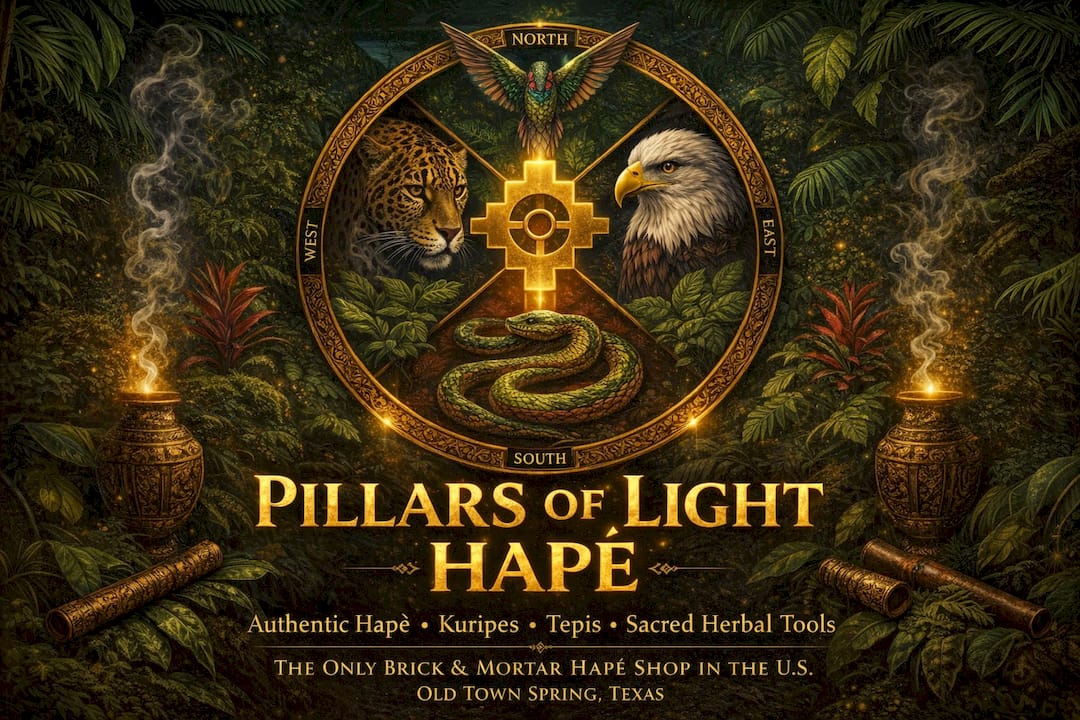
The ceremonial tools collection includes handcrafted kuripés and tepis made by Amazonian artisans, the same tools used in the lineages the blends come from. Every piece carries provenance. If you want to know which tribe prepared your blend, which ash anchors it, and which master plants were included, that information is available. The hapé apothecary is the place to start. For guided ceremony or a sourcing consultation, reach out directly through the website to book a session.
Useful sources and further reading
The sources below represent a mix of scholarly, practitioner, and journalistic perspectives on hapé. Indigenous-authored material, where available, should be prioritized over secondary accounts.
| Source | What it covers | Why it's useful |
|---|---|---|
| Ark Yaogara: Rapeh and Mapacho Blends | Ingredient composition, lineage overview, feitio process | Detailed practitioner resource on botanical and cultural specifics |
| Maha Devi Ayahuasca: What is Rapé? | Pharmacology, nicotine chemistry, ceremonial context | Clear explanation of ash pH mechanics and lineage variation |
| Psychedelic Scene Magazine: Hapé — Indigenous Tradition and Contemporary Gateway | Modern spread, experiential accounts, cultural conversation | Journalistic coverage of hapé's movement outside Indigenous communities |
| Queen of the Forest: Is Hapeh Legal? | U.S. legal classification, tobacco regulation overview | Practical legal framing for U.S. readers |
| Pillars of Light hap'e: Sacred Amazonian Medicine Guide | Benefits, traditions, safe use, sourcing | Publisher's comprehensive educational resource with sourcing context |
A note on source types: Scholarly ethnobotanical literature on Nicotiana rustica and Amazonian tobacco traditions provides the strongest pharmacological grounding. Practitioner accounts offer experiential depth. Journalistic coverage reflects the contemporary conversation. All three have a place, but they carry different weights. When a practitioner account and a wellness blog disagree, follow the practitioner.